


BMW’s own preview material for the redesigned 3 Series, released September 8, 2026, describes the new M350 xDrive as the only six-cylinder version of the car outside the M3, language that quietly confirms something the automaker never announced with a press release of its own: the diesel-powered M340d is not coming back. The timing is brutal. That same week, the U.S. national average price of diesel climbed past $5.85 a gallon, a record according to NPR’s reporting on AAA and government fuel data, and has since been reported crossing $6 a gallon for the first time, a threshold covered by CNN Business.
A Diesel Performance Sedan Loses Its Spot
The M340d paired BMW’s B57 3.0-liter inline-six turbodiesel with M Performance suspension and styling, giving European buyers a diesel that could still embarrass a lot of gas-powered sport sedans in a straight line while returning far better fuel economy on long hauls. That combination doesn’t survive into the next-generation G50-generation 3 Series. BMW’s decision lines up with a broader collapse in diesel demand across its home market: diesel accounted for just 7.5% of new car registrations across the European Union in the first half of 2026, down from 9.4% in the same period a year earlier, a 16.5% year-over-year drop in actual registrations, according to the European Automobile Manufacturers’ Association. Diesel’s EU market share once ran above 50% in the mid-2010s, making the current single-digit figure a genuine collapse rather than a gradual fade.
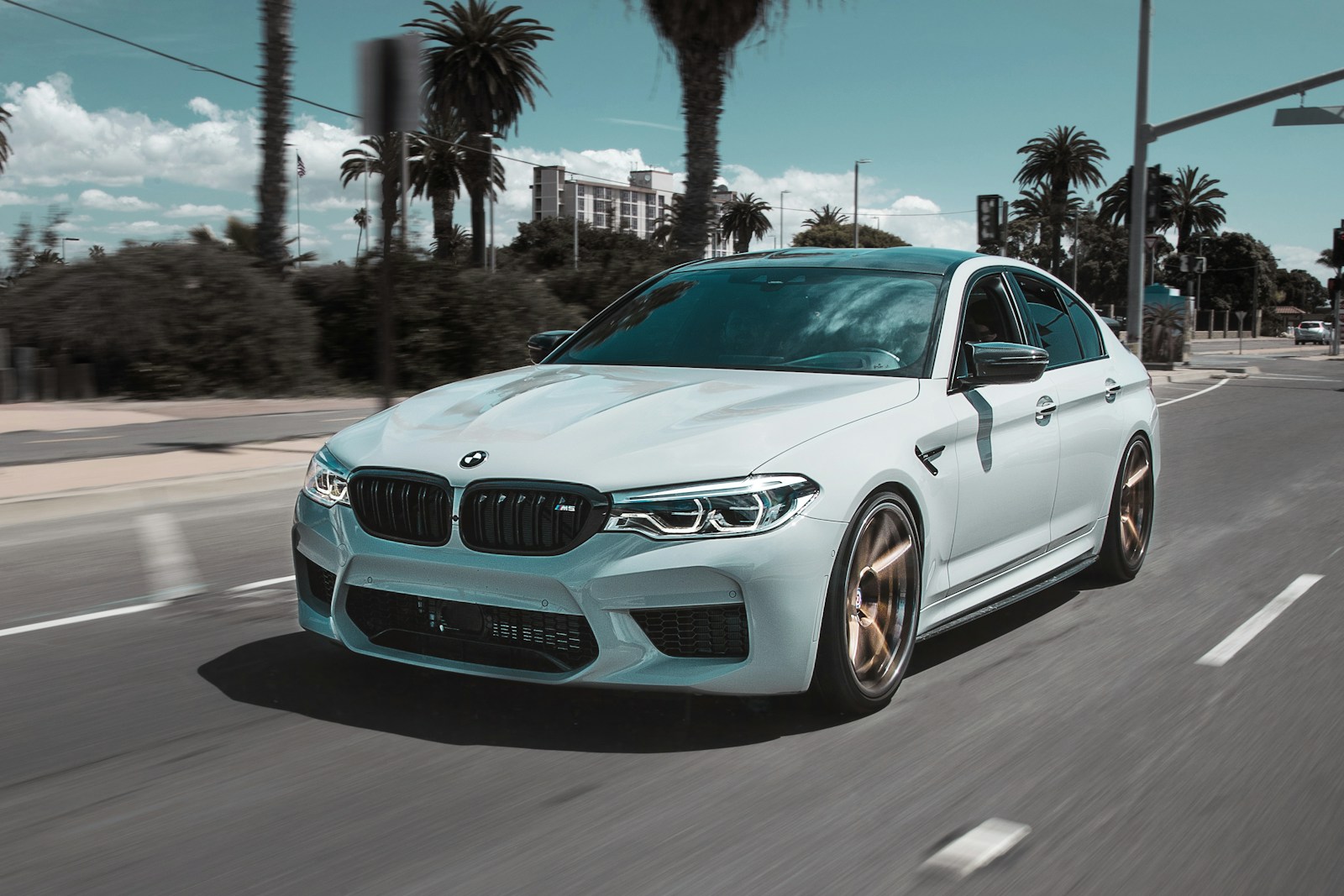
The Diesel Price Story Isn’t Really About BMW, but It’s Bad Timing
The run-up in U.S. diesel prices has almost nothing to do with sedan buyers and almost everything to do with global supply. Diesel cost $3.76 a gallon in the U.S. just before the outbreak of conflict involving Iran disrupted shipping through the Strait of Hormuz, according to NPR, a jump of more than $2 a gallon in a matter of months. Ukrainian strikes on Russian refineries have taken diesel-producing capacity offline and forced Russia to import fuel from India, Kazakhstan, and Belarus rather than export it as usual, while some Asian refineries have throttled back their own diesel exports and U.S. refiners have shifted capacity toward more profitable jet fuel. Add in the normal seasonal pull from fall harvest equipment and early winter heating demand, and diesel has become one of the more expensive fuels at the pump almost overnight.
The M340d isn’t the first diesel performance model BMW has quietly walked away from either. The automaker previously discontinued the diesel-powered X3 M40d and X4 M40d, both of which paired the same kind of high-output turbodiesel with M Performance trim on a crossover body rather than a sedan. Whether the coupe-based 4 Series keeps its own 440d diesel variant going forward is an open question the automaker hasn’t addressed publicly, but the pattern across BMW’s recent lineup changes points the same direction: diesel is being trimmed out of the sportiest, most image-driven trims first, even in markets where diesel itself isn’t going away.
None of that inventory squeeze is why BMW dropped the M340d. Automakers plan engine lineups years ahead of a single geopolitical fuel spike, and BMW’s own reasoning centers on tightening emissions rules and the rising cost of the after-treatment hardware needed to keep diesel sixes compliant, not this month’s price at the pump. But the coincidence still lands hard for anyone cross-shopping a diesel performance sedan in the U.S. right now, where importing or maintaining that kind of car just got meaningfully more expensive to fuel in the same news cycle that confirmed there won’t be a new one to replace it.
What’s Left for Diesel Enthusiasts
BMW hasn’t abandoned diesel entirely. Reporting on the automaker’s plans has pointed to diesel power sticking around in its SUV lineup well into the next decade, even as the sedan side of the business sheds the format. That split mirrors what the ACEA figures show happening across the industry generally: diesel demand is contracting fastest in cars while lingering longer in larger, heavier vehicles where its torque and fuel-economy advantages still matter most to buyers who tow or drive long distances for a living. For the specific niche of a diesel-powered performance sedan wearing an M badge, though, the M340d’s exit looks like the end of the format entirely, closing out a chapter that started when diesel commanded half the European market and ends with it barely holding onto one-thirteenth of it.