
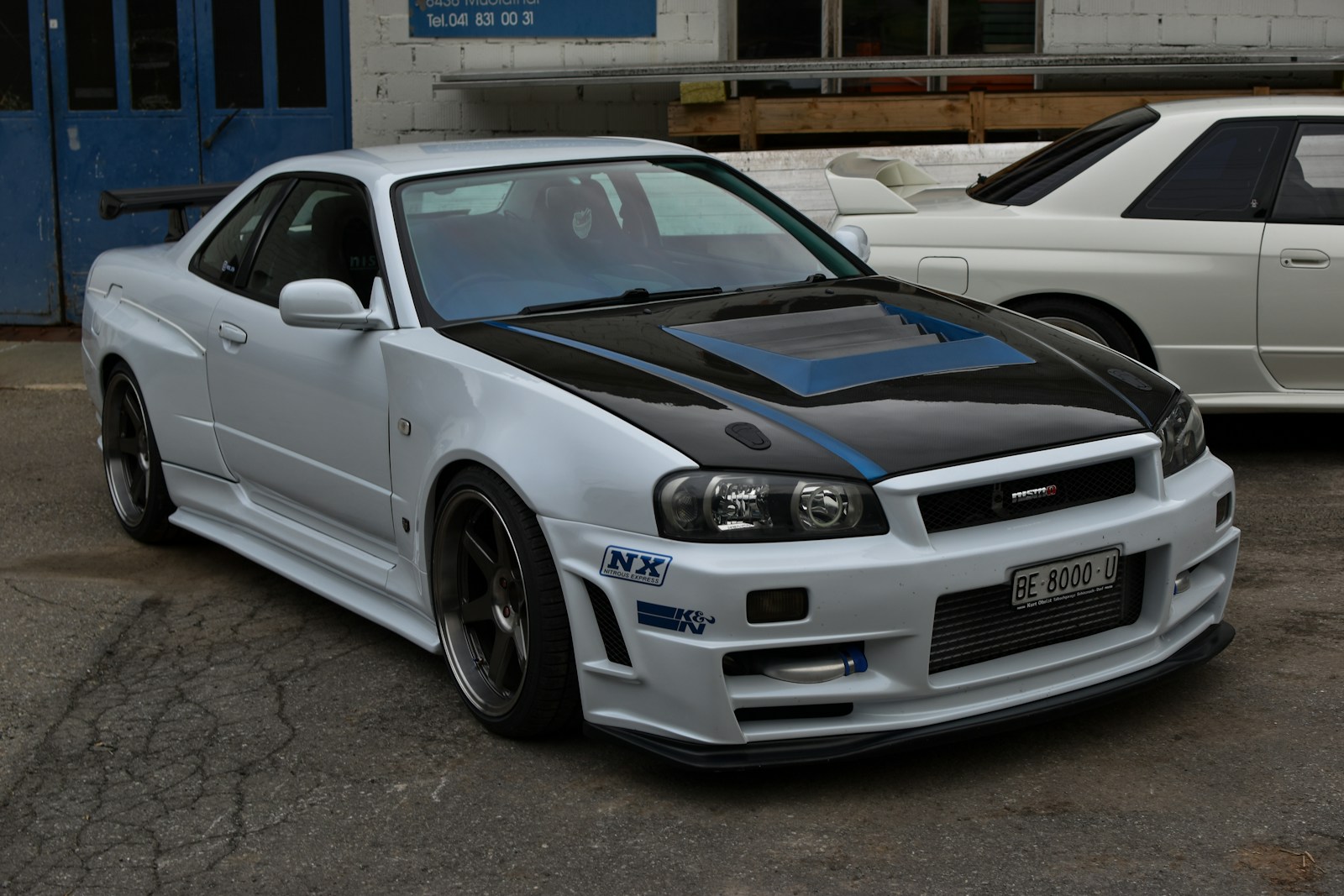

Somewhere in a shipping container right now, or already sitting in a driveway, are Nissan Skyline GT-Rs built in the second half of 2001 that spent the last quarter century as forbidden fruit and just became fully legal to import into the United States. The federal rule that makes this possible has nothing to do with sentiment or fandom. It’s a hard regulatory line, 25 years from a vehicle’s date of manufacture, written into 49 CFR Part 591, and it applies the same way to a Skyline as it does to any other car built anywhere in the world. Few cars have generated as much sustained American demand for a workaround as the R34-generation GT-R, and this year’s calendar simply caught up with the last holdout batch.
The Rule Itself, in Plain Terms
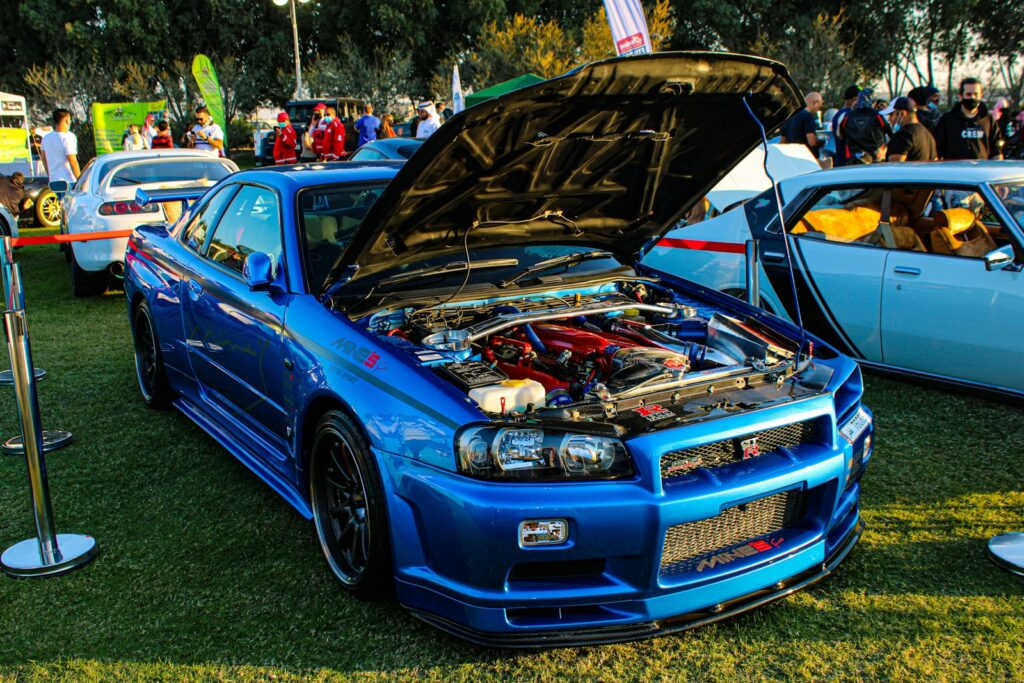
Any vehicle imported into the U.S. that’s less than 25 years old has to comply with the full set of Federal Motor Vehicle Safety Standards enforced by NHTSA and U.S. Customs and Border Protection, a bar that generally requires a manufacturer’s own crash certification and is, in practice, almost impossible to clear for a car never sold here to begin with, according to CBP’s own import guidance. Once a vehicle clears 25 years old, that exemption kicks in automatically under 49 CFR 591.5(i), and the car can be imported and registered without ever meeting U.S. crash or emissions certification. Critically, the clock runs from the date of manufacture stamped on the vehicle’s compliance plate, not the model year printed on paper, which is exactly why eligibility for a single production run rolls out gradually, car by car, rather than all at once.
Why the R34 Specifically Has Been Such a Prize
The R34 Skyline GT-R was built from January 1999 through November 2002, a genuinely short run by global standards, and it was never federalized or sold through Nissan’s U.S. dealer network in period. That combination, a car with a serious motorsport pedigree that Americans could only experience through imports, video games, or magazines for two decades, is exactly what has made it one of the most sought-after JDM imports for as long as the 25-year rule has existed. The earliest 1999-built cars cleared the 25-year threshold back in 2024, and the window has been advancing roughly a month at a time ever since. Cars manufactured through September 2001 are now within reach of the exemption as of this year, meaning a meaningful additional slice of the R34 production run, built in the back half of its run rather than the very first cars off the line, has newly crossed the line. The final 2002-built cars won’t clear the threshold until 2027.
What Actually Changes for a Buyer
Crossing the 25-year line doesn’t waive every requirement, it removes the one that made import functionally impossible. A newly eligible R34 still has to clear ordinary CBP entry paperwork, pay applicable duty, and satisfy state-level registration and emissions rules that vary widely, some states apply smog exemptions to vehicles over a certain age, others don’t. What the federal exemption removes is the requirement to certify the car ever met U.S. crash and safety standards it was never designed or tested against, which had previously left buyers dependent on the small, expensive world of NHTSA-registered importers to bring in anything less than 25 years old. That registered-importer path is exactly how the earlier R32-generation Skyline GT-R reached American buyers before its own production run aged into the exemption, with the first R32s clearing the 25-year threshold in August 2014, a full decade before the R34 started doing the same.
The Bigger Pattern Behind One Car
The R34 GT-R is the highest-profile example this year, but it’s one data point in a rolling calendar that quietly reshapes the used import market every single month. The same 25-year math is simultaneously clearing early Toyota Chaser and Mark II variants, later Mitsubishi Lancer Evolution models, and Honda’s later Kei-class oddities that never had a chance at U.S. certification when new. None of that depends on nostalgia or a car magazine’s opinion of what deserves to be here. It depends entirely on a manufacture date crossing a fixed federal line, which is precisely why the enthusiast world tracks these dates as closely as it tracks the cars themselves.