

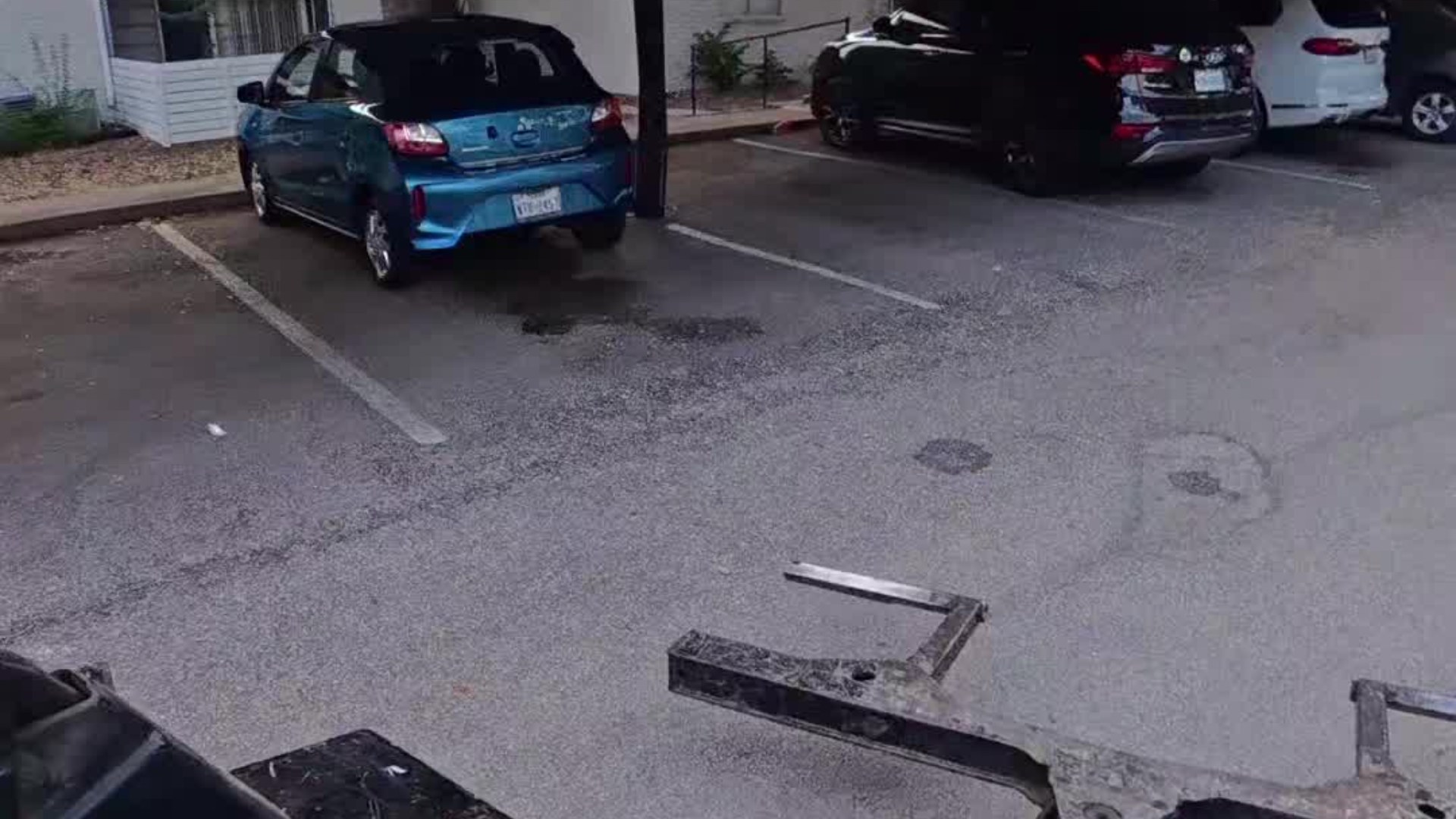
Most people only think about repossession when it’s happening to them, and even then, the actual mechanics of it stay a mystery. TikTok creator @danielcampo70 pulled the curtain back, posting a straightforward video of himself hooking up a tow truck to repossess an SUV. The clip has since been watched nearly 37.8 million times.
@danielcampo70 im just a water boi 🥶#viral #foryoupage #cuhhdown #repoman #paythatnote video sped up x2 (FYI)
♬ original sound – Zack Robb
What the Video Shows
According to the footage, the video walks through the mechanical side of a repossession from start to finish: positioning the tow truck, hooking up the SUV, and hauling it away, presented matter-of-factly rather than dramatized. There’s no confrontation in the clip, just the procedural reality of a job that most drivers only picture in the abstract.
How Repossession Actually Works, Legally
In most states, a lender can repossess a vehicle as soon as a borrower defaults on a loan, and default typically means missing just one payment, according to the Federal Trade Commission. Lenders generally don’t need a court order to do it and can act without advance notice. There is one major legal constraint: repossession agents can’t “breach the peace,” a legal standard that in many states rules out using physical force, threatening violence, or removing a vehicle from a locked garage without permission, per the same FTC guidance.
What Happens After the Hook-Up
Lenders typically sell repossessed vehicles, often at auction, and apply the proceeds to the remaining loan balance. If the sale price doesn’t cover what’s owed, the borrower can still be on the hook for the difference, known as a deficiency balance. The Consumer Financial Protection Bureau has separately flagged repossession as an area worth extra scrutiny, pushing for better safeguards after borrowers reported vehicles being taken despite active payment plans, per the CFPB’s own announcement.
Why an Ordinary Job Found Such a Huge Audience
There’s a certain novelty to watching a routine job get this much attention. Most viewers will never personally operate a tow truck, but nearly everyone has either worried about missing a car payment or knows someone who has, which gives the video an odd kind of universal relevance. Watching the mechanics laid out plainly strips away some of the fear that surrounds the word “repo” and replaces it with something closer to a trade demonstration.
The sheer scale of the video’s reach also says something about how curious the general public is about a process most people only encounter from the losing end. Repossession agents themselves have increasingly leaned into this curiosity, with some building entire social media followings around documenting their day-to-day work, treating it less like a shameful last resort and more like any other trade worth explaining to an audience that’s never seen it up close. For viewers who’ve never missed a car payment, it’s simple curiosity. For viewers who have, or who are worried they might, it’s something closer to research.
Not every repossession unfolds as smoothly as the one captured in this video. Industry data suggests a meaningful share of repo attempts end without a successful tow, either because the vehicle isn’t where records indicate it should be, because the owner intervenes before the hookup is complete, or because local ordinances in certain jurisdictions add procedural requirements that slow the process down considerably. That variability is part of why a clean, uneventful repossession like this one stood out enough to go viral in the first place, offering viewers a rare, complete look at a job that usually only gets discussed after something has already gone wrong.
@danielcampo70’s account has continued posting similar tow and repossession content since the clip took off, suggesting the creator recognized an appetite for this kind of unscripted, procedural footage and kept feeding it.
For lenders, footage like this also doubles as an unintentional public-relations asset, showing the process handled calmly and without incident at a moment when repossession companies are frequently only in the news for the opposite reason.
That transparency is precisely what turned a routine workday into a piece of content millions chose to watch rather than scroll past.
Repossession, it turns out, makes for surprisingly watchable television when nobody involved is yelling.
The keys still change hands the same way they always have, just with a bigger audience now watching.