
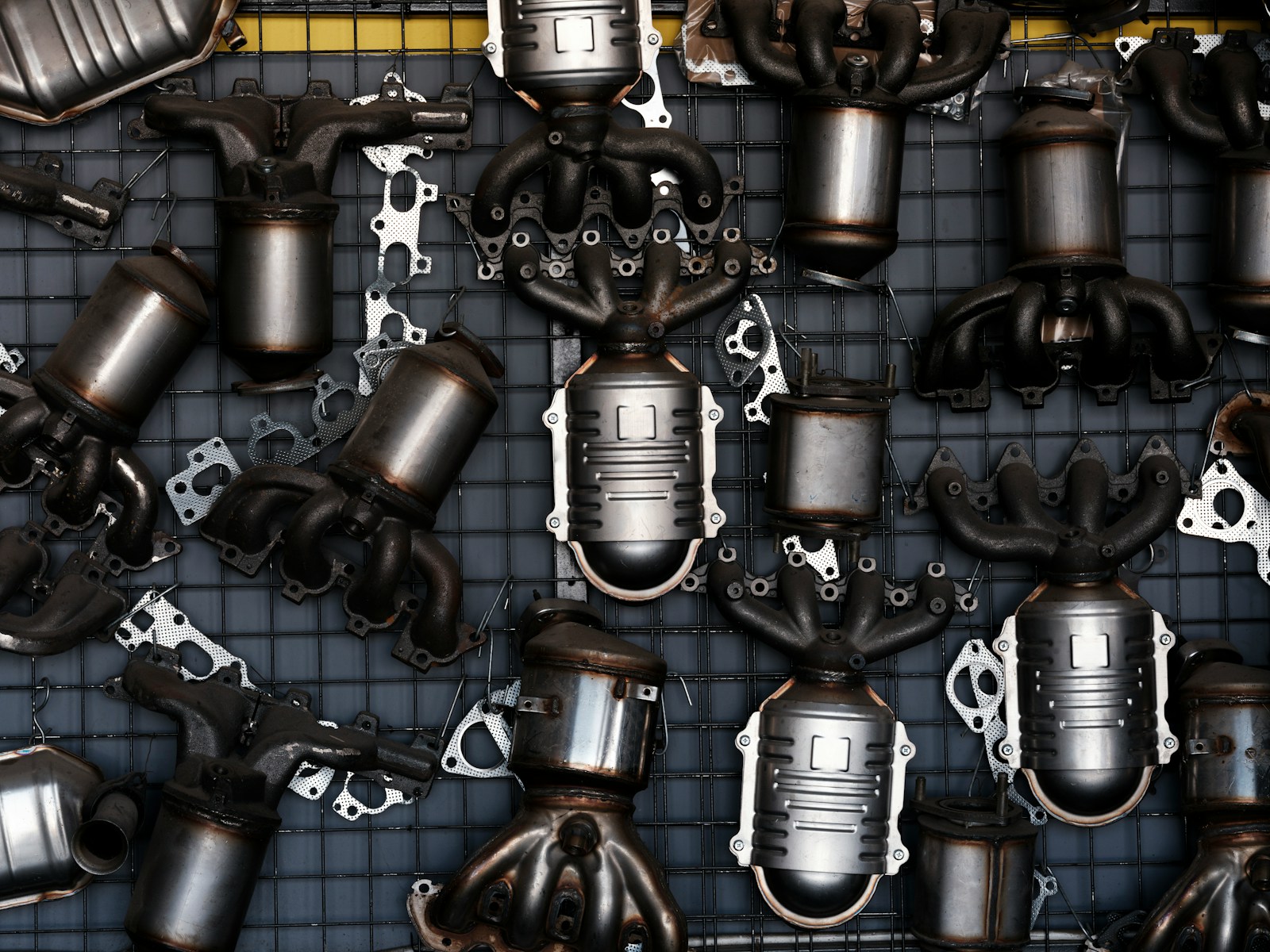

A Sacramento man was sentenced to 12 years in federal prison after prosecutors traced $38 million in stolen catalytic converter sales directly back to an operation he ran with his brother and mother.

The Scheme
According to the Justice Department’s own announcement, Tou Sue Vang, 33, worked alongside his brother Andrew Vang and mother Monica Moua to buy catalytic converters stolen by local thieves and resell them in bulk to DG Auto Parts, a New Jersey buyer operated by brothers Navin and Tinu Khanna. The operation ran out of private residences and storage units rather than any licensed business, and prosecutors say shipments to New Jersey often topped 1,000 pounds at a time. The ring specifically sought out high-value targets, including converters pulled from Toyota Prius hybrids, which can fetch more than $1,000 apiece on the black market.
What Investigators Seized
The scale of the payout showed up in what federal agents seized once the case closed. Authorities forfeited more than $150,000 in cash, 13 vehicles, four personal watercraft, jewelry and real estate tied to Vang, according to the DOJ release. That included a five-acre property in Rio Linda that Vang bought for $1.235 million in cash, along with a fleet of vehicles that included Teslas and Sea-Doo watercraft.
A Broad Investigation
The case was built by a coalition of agencies including the FBI’s Sacramento Field Office, IRS Criminal Investigation, the Sacramento County Sheriff’s Department, and police departments in Davis, Auburn and Livermore. Acting U.S. Attorney Michele Beckwith did not mince words about the damage the ring caused. “This defendant led a network of criminals that hurt thousands of innocent car owners,” Beckwith said, according to the department’s announcement. The 12-year sentence adds Vang’s case to a growing string of federal prosecutions targeting the supply chains that turn overnight catalytic converter thefts into a multimillion-dollar business.
Cases built around a specific buyer network, like the one prosecutors traced from Vang’s operation to DG Auto Parts in New Jersey, illustrate how catalytic converter theft has evolved from opportunistic street crime into something closer to an organized supply chain, with distinct roles for the thieves who remove the parts, the local buyers who aggregate them, and the downstream processors who extract and resell the precious metals inside. Breaking any single link in that chain, as federal prosecutors did here, can meaningfully disrupt the economics that make the theft profitable in the first place, at least until a new buyer network emerges to take its place.