
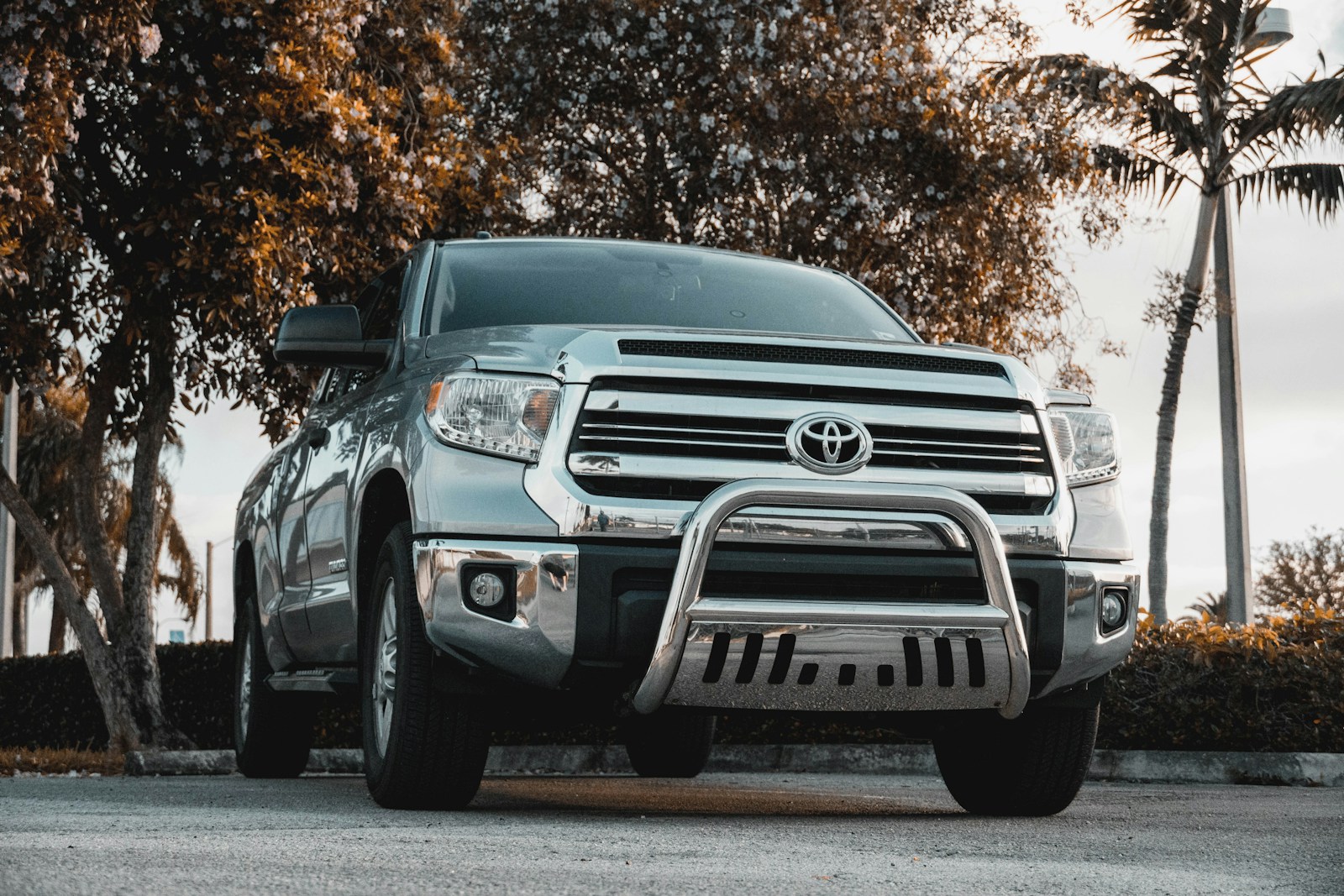

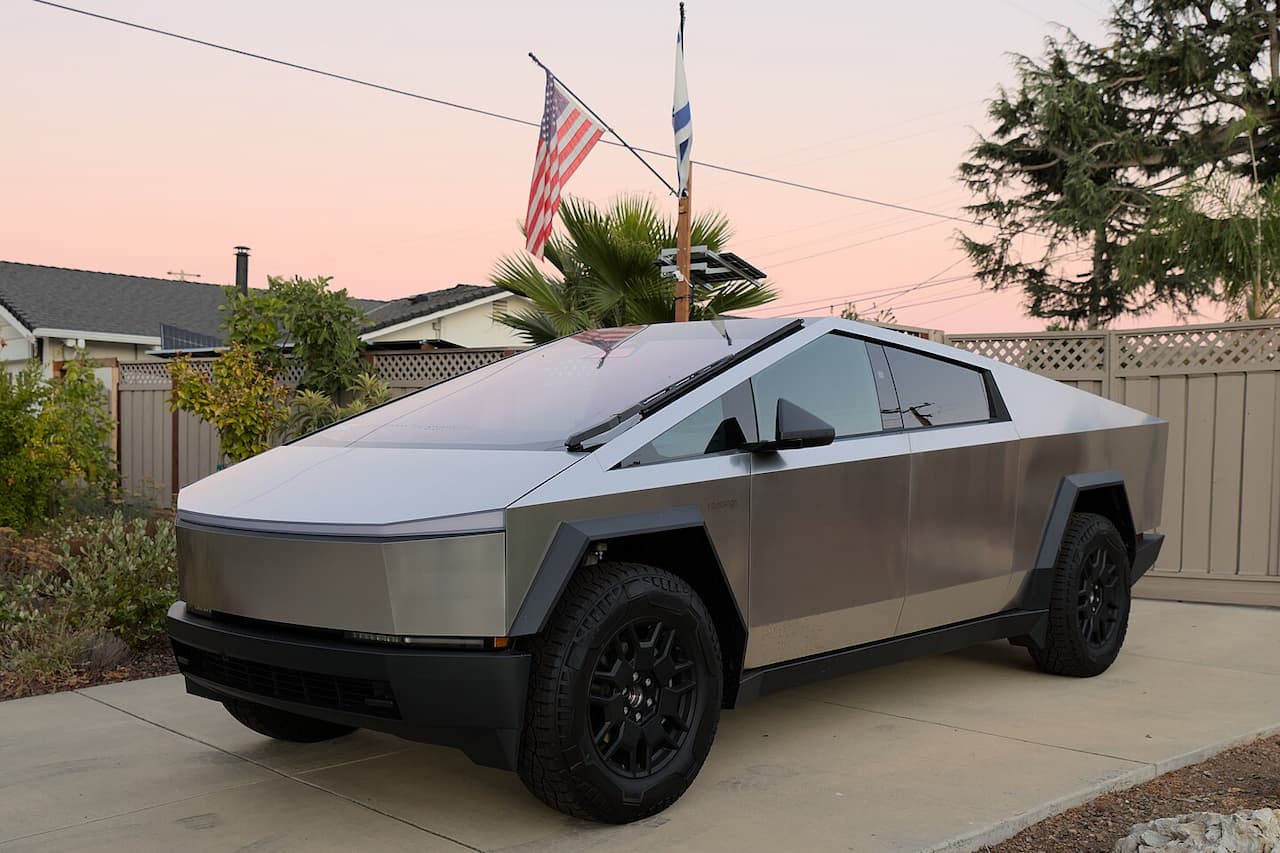
Sixty-three vehicles earned a 2026 Top Safety Pick or Top Safety Pick+ award from the Insurance Institute for Highway Safety this year — up from 48 last year — but only two of them were full-size pickup trucks. The Toyota Tundra crew cab and the Tesla Cybertruck are the sole survivors in a segment that includes the Ford F-150, Ram 1500, and Chevrolet Silverado, all perennial sales leaders that came up short against a noticeably tougher rulebook. IIHS didn’t just raise the bar a little this cycle; it rewrote what “good enough” means for America’s best-selling vehicle category, and the full-size truck field mostly failed to clear it.
What Actually Changed for 2026
Two rule changes did most of the damage. First, IIHS now requires a Good rating in the moderate overlap front crash test for both award tiers — previously, an Acceptable rating was enough for the base Top Safety Pick award. Second, the institute added a new front crash prevention 2.0 test that runs vehicle-to-vehicle scenarios at 31, 37, and 43 mph against passenger car, motorcycle, and semitrailer targets, and now requires that crash-avoidance tech come as standard equipment rather than an option buyers have to pay extra for. IIHS President David Harkey framed the push in the award announcement itself: “This year, we’re asking automakers to make excellent protection for back seat passengers the norm,” tying the changes to the organization’s broader “30×30” push to cut traffic deaths.
The F-150 Fell on the New Overlap Rule
Ford’s F-150 crew cab, still the best-selling vehicle in America, rates Poor on the moderate overlap front test according to its own IIHS rating page — a result that would have been survivable under last year’s rules and is disqualifying under this year’s. The truck also scored Poor on vehicle-to-vehicle front crash prevention with its optional equipment and Marginal on child-seat-anchor ease of use, but the moderate overlap result alone is enough to keep it off both lists.
Ram 1500 and Silverado Failed the Same Test
The Ram 1500 crew cab shares the identical disqualifier: a Poor rating on moderate overlap front, with IIHS specifically flagging poor “rear passenger restraints and dummy kinematics” in that test on its rating page, plus a Marginal front-crash-prevention score tied to weak performance against motorcycle targets. The Chevrolet Silverado 1500 crew cab missed on multiple fronts at once — Poor on moderate overlap, Marginal on small overlap, and Poor headlights across every trim level, according to its IIHS results. All three results trace back to the same test: a moderate-overlap hit concentrates crash force on a narrower slice of the front end than a full-width impact does, and none of the three trucks’ front structures were engineered to hold up to it the way IIHS’s newly stricter standard now demands.
Why the Tundra Cleared the Bar
The Toyota Tundra crew cab earned straight Good ratings across small overlap, moderate overlap, and side crash tests, per its IIHS rating page, with its standard Toyota Safety Sense 2.5 system rated Acceptable for front crash prevention. That’s a comparatively modest crash-avoidance score next to the segment’s new leaders, but the structural side of the ledger — the part the redesigned moderate overlap standard actually targets — came back clean across the board, which was enough to secure the base Top Safety Pick tier.
Why the Cybertruck Cleared the Higher Bar
The Cybertruck did more than clear the moderate overlap requirement — its IIHS profile shows Good ratings across all three crashworthiness tests and Good ratings on both vehicle-to-vehicle and pedestrian front crash prevention with its standard Collision Avoidance Assist system, plus Good-rated standard headlights. IIHS notes the current ratings apply to Cybertrucks built after April 2025, following structural changes Tesla made to the front underbody and footwell — a concrete engineering response to a specific weak point, not a marketing refresh.
The Takeaway for Anyone Cross-Shopping a Truck
The gap here isn’t about brand reputation or towing numbers — it’s that three of the segment’s best-selling trucks haven’t yet been re-engineered to handle a narrower-overlap frontal hit as well as a full-width one, and IIHS just made that distinction the price of admission for its top awards. A shopper who assumes any full-size truck from a major brand earns the institute’s blessing by default would be wrong for three out of five of the best-selling names in the category this year. The two trucks that did qualify got there by different routes — one with clean structural scores and modest tech, one with both — but the trucks that didn’t all failed the same test in the same way.