
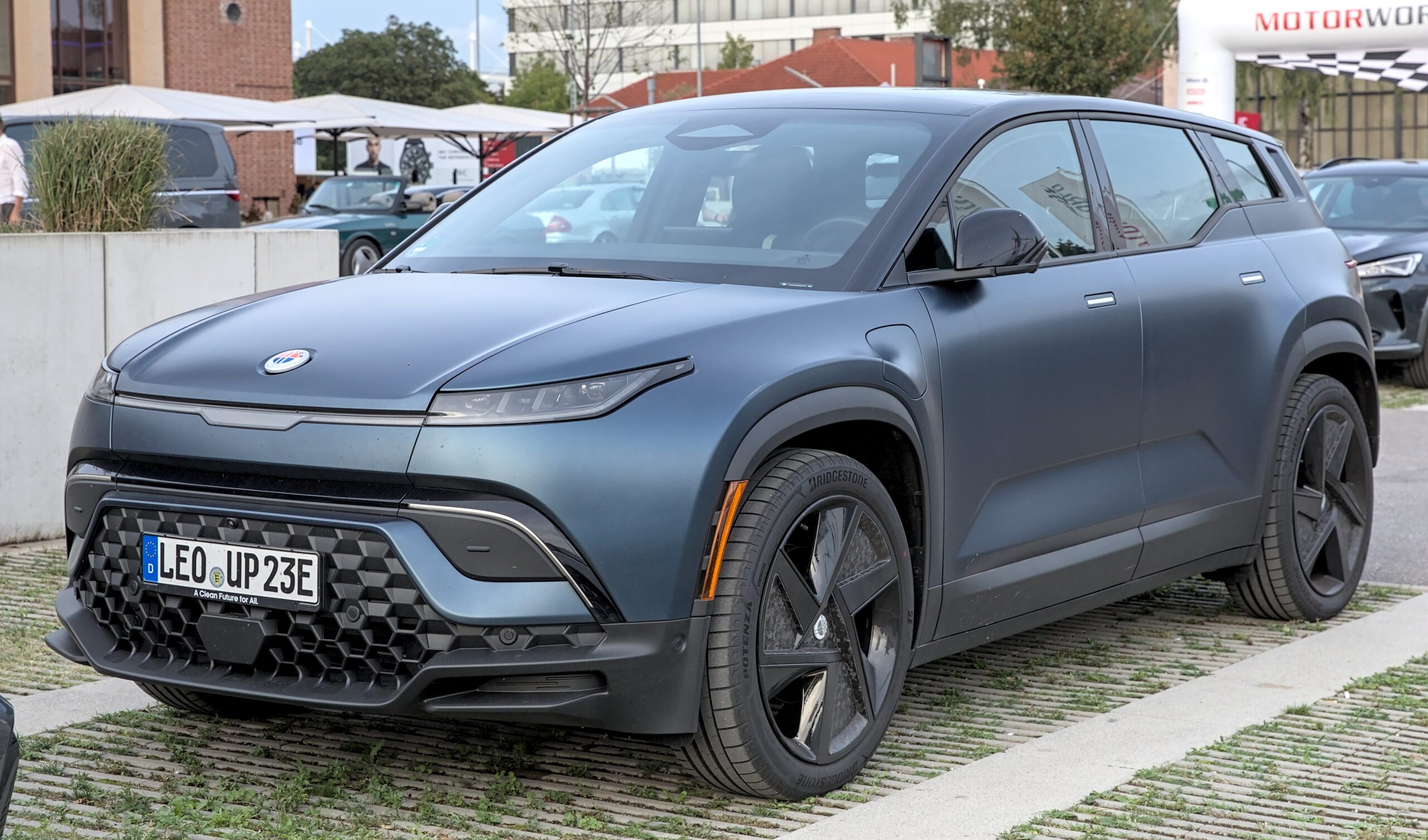

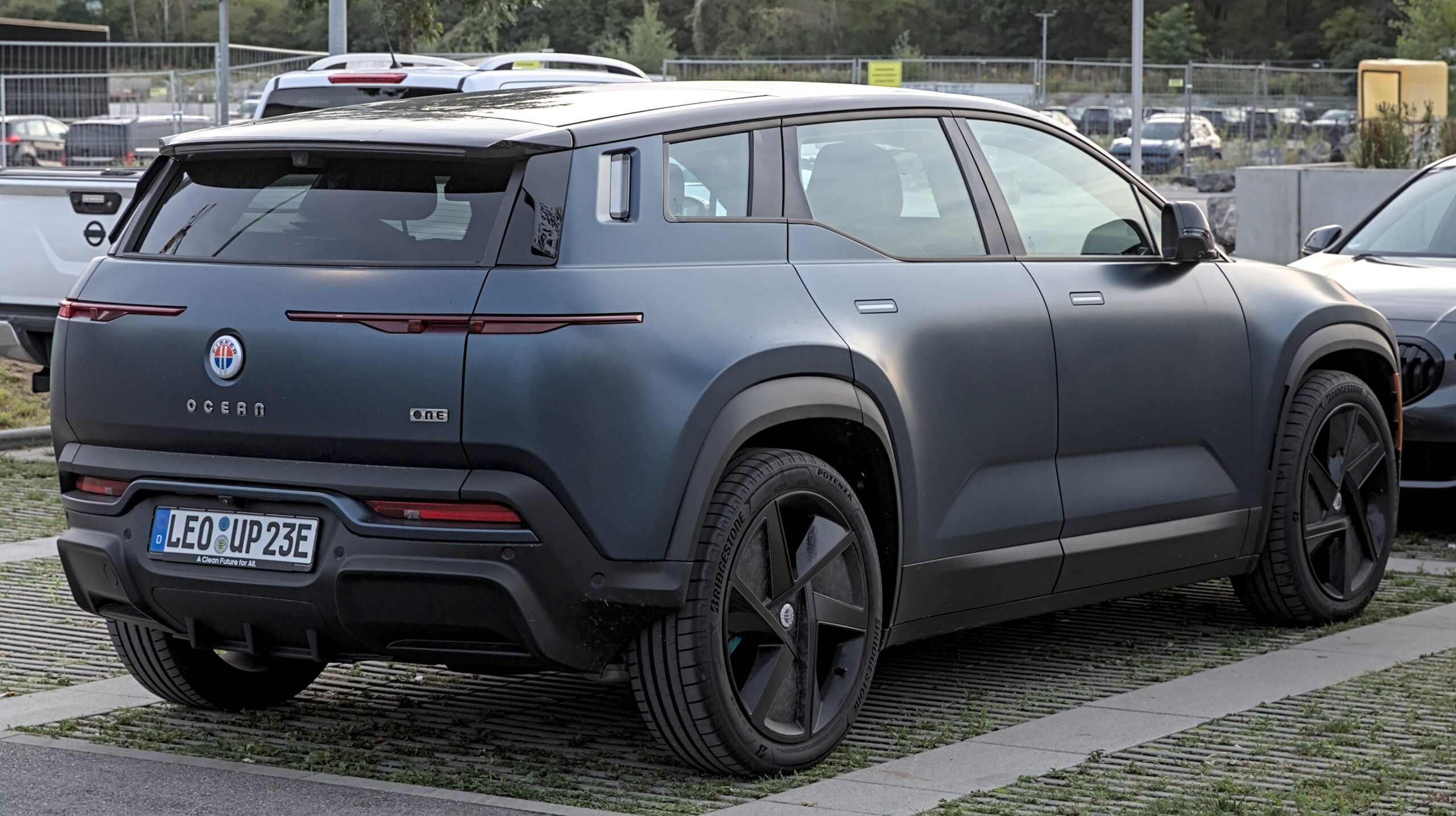
Roughly 11,000 Fisker Ocean SUVs are on the road with no factory, no dealer network, and no guaranteed source of replacement parts behind them. Fisker filed for Chapter 11 bankruptcy protection in June 2024 after years of production and quality problems, and more than a year later, owners are still discovering that basic components — key fobs, bumpers, door panels, even windshields — can take weeks or months to source, when they can be found at all. What’s emerged in the vacuum is not a corporate parts program but an owner-run one, built out of necessity by the people who bought the car in the first place.
A Parts Pipeline That Was Never Built Out
Owners and repair shops were flagging parts shortages even before the bankruptcy filing made headlines. One Ocean owner told reporters her car sat with a damaged passenger door part unavailable for months, long enough that water intrusion caused additional damage; another owner’s insurer totaled his car after a minor crash partly because sourcing a replacement bumper, hood and fender proved impractical. Fisker disputed the characterization at the time, telling reporters its “service department did plan for and establish a parts inventory,” but the pattern of monthslong waits for routine components — even before the company ran out of money — undercuts that claim.
What Owners Were Told When the Company Collapsed
When the Chapter 11 filing came, Fisker had already laid off most of its service technicians and broader workforce. Owners described waiting on hold for hours only to be disconnected, with emails and social media messages left unanswered. “Now we all own cars that were manufactured by a company that has filed for bankruptcy. Nobody really knows what that means,” one owner, Cristian Fleming, said at the time. No official communication addressed long-term parts availability, software support, or warranty coverage going forward. A subsequent attempt by American Lease, which purchased Fisker’s remaining inventory and software access for an additional $2.5 million in October 2024, to extend cloud connectivity services to existing owners fell apart when the companies could not agree on how to split the ongoing cost, leaving Ocean owners without remote connectivity on top of the parts problem.
Owners Built Their Own Supply Chain
Into that gap stepped the Fisker Owners Association, a nonprofit that has become the closest thing Ocean owners have to a service department. The group has negotiated bulk parts purchases that cut the cost of a replacement key fob from roughly $1,000 to a fraction of that, and it says it has secured parts-supply channels through outside suppliers including Tsunami/Tidal Wave. In Europe, association members organized a volunteer “Flying Doctors” network in which technically skilled owners travel to help repair other members’ cars, and in the U.S. some members now charge $100 to $200 for diagnostics and firmware work that Fisker itself once handled under warranty. The association also says it pushed to ensure outstanding safety recalls were addressed inside the bankruptcy proceedings rather than left to lapse along with the company.
An Unusual Model for Keeping Orphaned EVs Running
The Fisker situation is a preview of a problem the EV industry hasn’t had to solve at scale before: what happens to a battery-electric vehicle, dependent on manufacturer software and a specialized parts supply chain, when the manufacturer simply disappears. A gas-engine orphan brand can usually lean on generic mechanical parts and independent shops that already know how to work on it. An EV with proprietary battery modules, drive units and connectivity hardware doesn’t have that fallback, which is why a volunteer owners’ group — not a court-appointed successor company — has ended up running what amounts to Fisker’s parts department by default. For roughly 11,000 Ocean owners, that grassroots effort is currently the only thing standing between a working SUV and an unfixable one.