
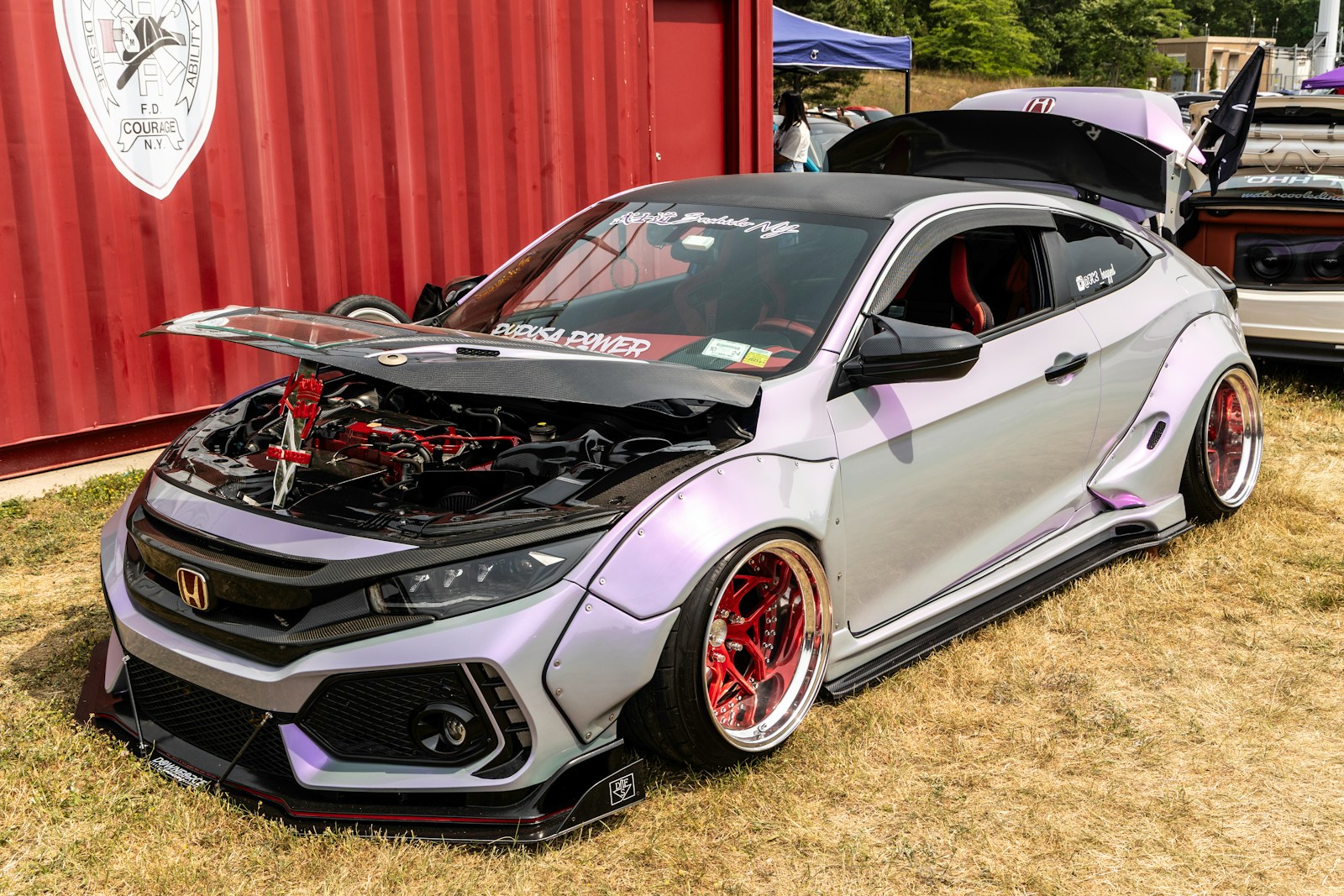

The same wrecked Honda, rebuilt to identical mechanical standards, faces three completely different paths back onto the road depending only on which state’s DMV happens to issue its title. In Virginia, a rebuilt salvage vehicle must clear a physical DMV examination by a Special Agent before it can be titled again — and that brand follows the car for life, printed on every title it ever receives afterward. In Texas, the same category of car needs to pass a state safety and anti-theft inspection before returning to the road, full stop, with no permanent state-agent exam requirement written into the process. There is no federal salvage-title standard forcing consistency between these systems — each state built its own rulebook, and the differences are large enough that a rebuilt car legally roadworthy in one state can fail to qualify in another.

Virginia: a permanent brand and an in-person exam
According to the Virginia DMV’s rebuilt vehicle requirements, a salvage vehicle must first pass a state safety inspection, then pass a separate DMV examination — conducted in person by a DMV Special Agent — to confirm the vehicle and its parts are in safe operating condition and were not stolen. Owners have to show up with a photocopy of the exam request form, receipts for original replacement parts, pre-repair photographs, and any old components that still carry the VIN. Pass that exam and the vehicle receives a “REBUILT” brand that Virginia says will “carry forward to each title issued for the life of the vehicle” — it can never be erased. Sellers also must hand buyers a signed-over title plus a separate Rebuilt Vehicle Disclosure Statement. Virginia does carve out an exemption for dealers who have held a license for at least 10 years with a clean record, selling a vehicle at least 10 years old and worth under $10,000 — those sales can skip the physical exam entirely.
Texas: inspection-based, with three distinct brand categories
Texas takes a different structural approach. Per the Texas DMV’s guidance on rebuilt vehicles, a vehicle that was previously branded “salvage” but has been restored to roadworthiness “must pass safety and anti-theft inspections, and other state-mandated standards in order to return to the road” before it earns the “Rebuilt Salvage” brand. Texas also recognizes two additional, more obscure brand categories under the National Motor Vehicle Title Information System: “Prior Owner Retained,” for vehicles transferred after an insurer let the original owner keep a totaled car, and “Prior Non-Repairable/Repaired,” for vehicles rebuilt after being declared non-repairable — a more severe category than standard salvage. The TxDMV explicitly warns buyers that insurance companies often deny coverage on rebuilt vehicles and that market value is “substantially reduced” compared to a clean-title car with the same specs.
Where the differences actually bite buyers
- Who inspects the car. Virginia requires a dedicated DMV Special Agent to physically examine the vehicle and check for stolen parts; Texas routes rebuilt vehicles through the standard state safety and anti-theft inspection process rather than a specialized salvage-only examiner.
- What counts as a “brand.” Texas splits rebuilt vehicles into three distinct NMVTIS categories with different histories behind each; Virginia uses a single permanent “REBUILT” designation regardless of how the car was damaged or restored.
- Who can skip the process. Virginia gives long-tenured, clean-record dealers an exemption from the physical exam under specific conditions; Texas’s inspection requirement is not described with a comparable dealer carve-out.
- What follows the title. Both states make clear the brand is effectively permanent, but a buyer moving a rebuilt car from one state to another should expect the new state’s DMV to apply its own separate re-inspection or disclosure rules on top of whatever the original state required.
What this means before signing anything
A rebuilt salvage title is not a red flag by default — plenty of these vehicles are mechanically sound and priced accordingly below clean-title comparables. But “rebuilt” does not mean the same level of scrutiny went into the car everywhere it could be sold. Before buying one, pull the vehicle’s full title history through NMVTIS, ask which state issued the original salvage brand and which state performed the rebuild inspection, and get an independent mechanic to check frame alignment and structural repairs regardless of what any state’s inspection sticker says. The paperwork tells you which state’s rulebook the car passed. It does not tell you whether that rulebook was the strict one.