

He’d been doing that lazy, confident kind of 80 that only happens when you know your car and you’ve done the same stretch of interstate a hundred times. Windows up, music low, the coupe sitting planted in the lane like it was born there. The traffic around him was spaced out just enough that everything felt calm—until the noise.
It wasn’t a bang like a tire, and it wasn’t a grind like a bearing. It was a sharp little pop, almost polite, like someone snapping a plastic clip under the hood. He registered it, frowned, and did what everybody does: a quick scan of the dash for lights, a half-second listen for anything else, and then he eased his foot toward the brake just to see.
The pedal didn’t “feel a little different.” It went rock-hard like he’d stepped on a brick. The car still had brakes, technically, but not the kind you can casually modulate at highway speed with one foot and a coffee in the cupholder. It was suddenly the kind of braking that requires commitment, both hands on the wheel, and the realization that you might be about to learn something expensive.
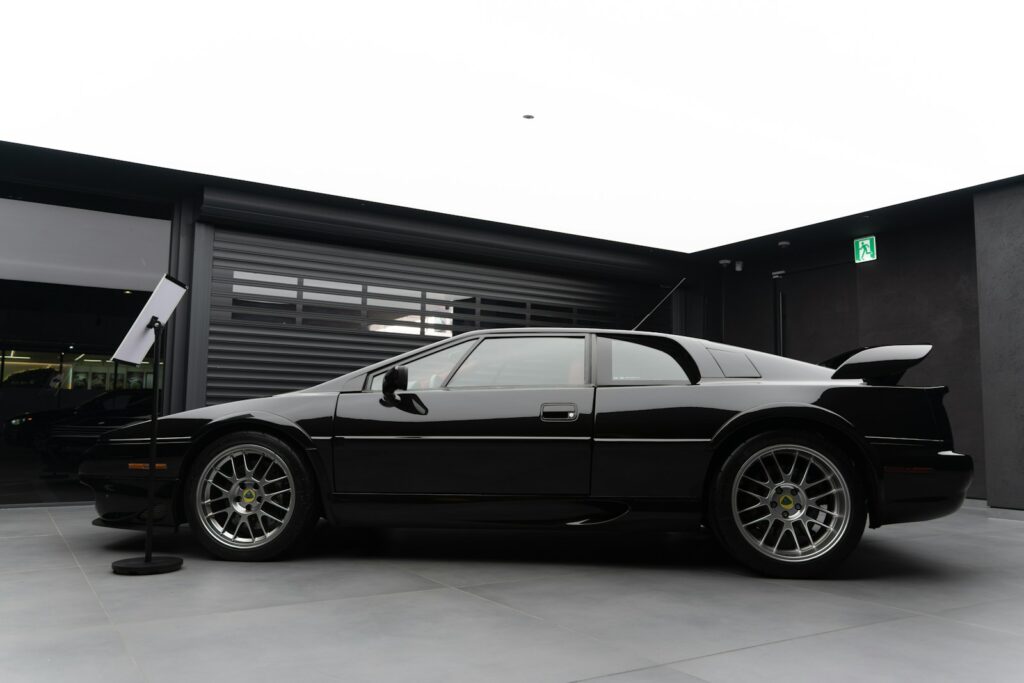
The Pop That Didn’t Sound Like Trouble
He didn’t slam anything or do some cinematic swerve. His first move was a small, controlled lift off the throttle, eyes flicking to the mirrors and then to the shoulder. In his head he was running the simple checklist: no warning lights, engine still pulling, steering normal, nothing obviously wrong… so why did the brake pedal feel like it was welded in place?
He tapped the brakes again, harder this time, and the car slowed—just not like it should. There was none of that normal power-assist mush where the booster helps you and the pedal travels a bit. It was pure leg force, like the brake system had time-traveled back to some pre-boost era, and his calf was now part of the hydraulics.
That’s the moment his calm cracked a little. Eighty miles an hour doesn’t leave much room for diagnostics, and suddenly every car ahead looked like a potential problem. He started feathering down speed with engine braking, keeping a bigger gap, and aiming for the right lane like it was a lifeboat.
When the Pedal Turns to Concrete
Once he got into the right lane, he tried the brakes in a more deliberate way, pressing steadily and feeling the car respond with stubborn resistance. It would slow, but it took a surprising amount of pressure, and that pressure wasn’t consistent—more like pushing against a door that keeps swelling shut. He could feel his own heartbeat in his hands on the wheel, which annoyed him because he’d been proud of being the “unflappable car guy” type.
He put the hazards on, not as a dramatic statement, but because he didn’t want to be the mystery slow car someone came up on too fast. The shoulder was there, but it wasn’t wide, and the traffic pattern was one of those annoying ones where you get clumps of cars passing you in waves. Every time a semi rolled by, his coupe felt suddenly smaller.
He managed to get it down to a sane speed and slipped onto the shoulder at an exit ramp where there was at least some room. When he finally came to a stop, it took a full-body push, the kind where you’re grateful you didn’t skip leg day. The weirdest part was the silence afterward—no smoke, no grinding, just the engine idling like nothing had happened.
Hood Up, Heart Still Racing
He popped the hood and did that thing people do when they’re trying to look composed while their nerves are still buzzing. He wasn’t expecting to find anything obvious because the car sounded fine, and vacuum leaks usually announce themselves with a hiss or a rough idle. But he also knew the brake booster depends on engine vacuum, and a hard pedal at speed is basically the booster waving a white flag.
Under the hood, he started following the vacuum line path like he was tracing a map. The hose to the brake booster looked normal at first glance—still connected, no dramatic tear flapping in the breeze. Then he touched it near the check valve and it practically told on itself.
The split was right at the check valve connection, a clean-looking crack that had probably been forming for a while and finally gave up when it got hot, flexed, or saw just the right load. The check valve was still sitting there, innocent as ever, while the rubber around it had separated enough to dump vacuum instantly. No vacuum meant no booster assist, which meant his right leg had been doing the work of a system designed to make braking effortless.
He took a breath, because the shape of the problem was now clear: the brakes weren’t “gone,” but the assist was. The line had popped, the engine vacuum vanished, and the pedal went hard exactly like the textbooks say it does. The problem was less “mystery” and more “why did this happen now, at 80, instead of in a parking lot like a polite mechanical failure?”
The Awkward Phone Calls and the Small Arguments
He called a buddy first—one of those friends who always says, “Just tell me where you are,” even when you can tell he’s mentally calculating how inconvenient the rescue will be. The buddy asked the obvious question: “So you still have brakes, just no assist?” And he answered yes, then admitted it was terrifying how quickly the pedal changed.
Then came the more annoying call: the one to the person he’d promised he’d meet on time. That conversation wasn’t about vacuum hoses; it was about responsibility and timing and the unspoken accusation that his “fast car hobby” had finally done what it was always going to do. He tried to explain it wasn’t speed that broke the hose, it was age and heat and rubber, but saying “brake booster check valve” to someone who doesn’t care about cars can make you sound like you’re inventing words to avoid accountability.
While he was standing there, hood up, he got a few slow passes from people craning their necks as they went by. One guy in a pickup actually pulled in ahead of him at the ramp, then got out like he was either going to help or interrogate. He asked if it was overheating, and the coupe owner said no, brakes, and the guy just nodded like he’d heard that story before and didn’t love where it usually ends.
The awkward part wasn’t the mechanical failure. It was the social undertow: the feeling that even though this was a dumb little rubber part, he’d just validated everyone’s suspicion that performance cars are trouble magnets. He could already hear the “You should’ve checked it” lectures forming, even though most people don’t inspect vacuum hoses until one humiliates them on the highway.
What It Took to Get Moving Again
He didn’t try to “limp it home” by brute-forcing the brakes, because once you’ve felt that rock-hard pedal at speed, you stop being romantic about improvisation. He ended up getting it towed, partly for safety and partly because his legs were still shaking and he didn’t want to admit that to anyone. The tow truck driver did the classic stare into the engine bay and asked, “So what’d it do?” like the car had committed a crime.
Back at a garage—one of those places that’s half actual repair facility and half hangout spot—he showed the split hose and got the exact reaction he feared: a mix of sympathy and smugness. Somebody pointed out how the crack was right where the hose meets the check valve, where rubber gets stiff and fails if it’s not replaced periodically. Somebody else asked if he’d noticed any subtle signs—like a faint hiss, a slightly higher idle, a brake pedal that felt different in the morning—and he honestly couldn’t say.
The fix itself wasn’t glamorous. A new hose, a new check valve to be safe, clamps that didn’t look like they came from a bargain bin, and a quick test to make sure vacuum held and the booster behaved. It wasn’t the kind of repair that makes you feel like you “built” anything, which almost made it more irritating: a tiny part had made him feel helpless at highway speed.
After it was done, he tried the brake pedal with the engine off, then on, watching it sink the way it should when vacuum assist kicks in. The car felt normal again, which should’ve been comforting, but it also made the whole episode feel too easy to repeat. Normal is great until you remember how fast normal can disappear with one quiet little pop.
What stuck with him wasn’t the bill or the inconvenience. It was how quickly his brain shifted from “I’m in control” to “I’m negotiating physics,” and how hard it was to explain that shift to anyone who wasn’t there, feeling that pedal turn to stone. Even after the hose was replaced and the coupe was back to pulling cleanly down the interstate, the real tension lingered in the background: not whether the car was fixed, but whether he’d trust it the same way when he rolled back up to 80 and listened, involuntarily, for another pop.
More from Steel Horse Rides: