

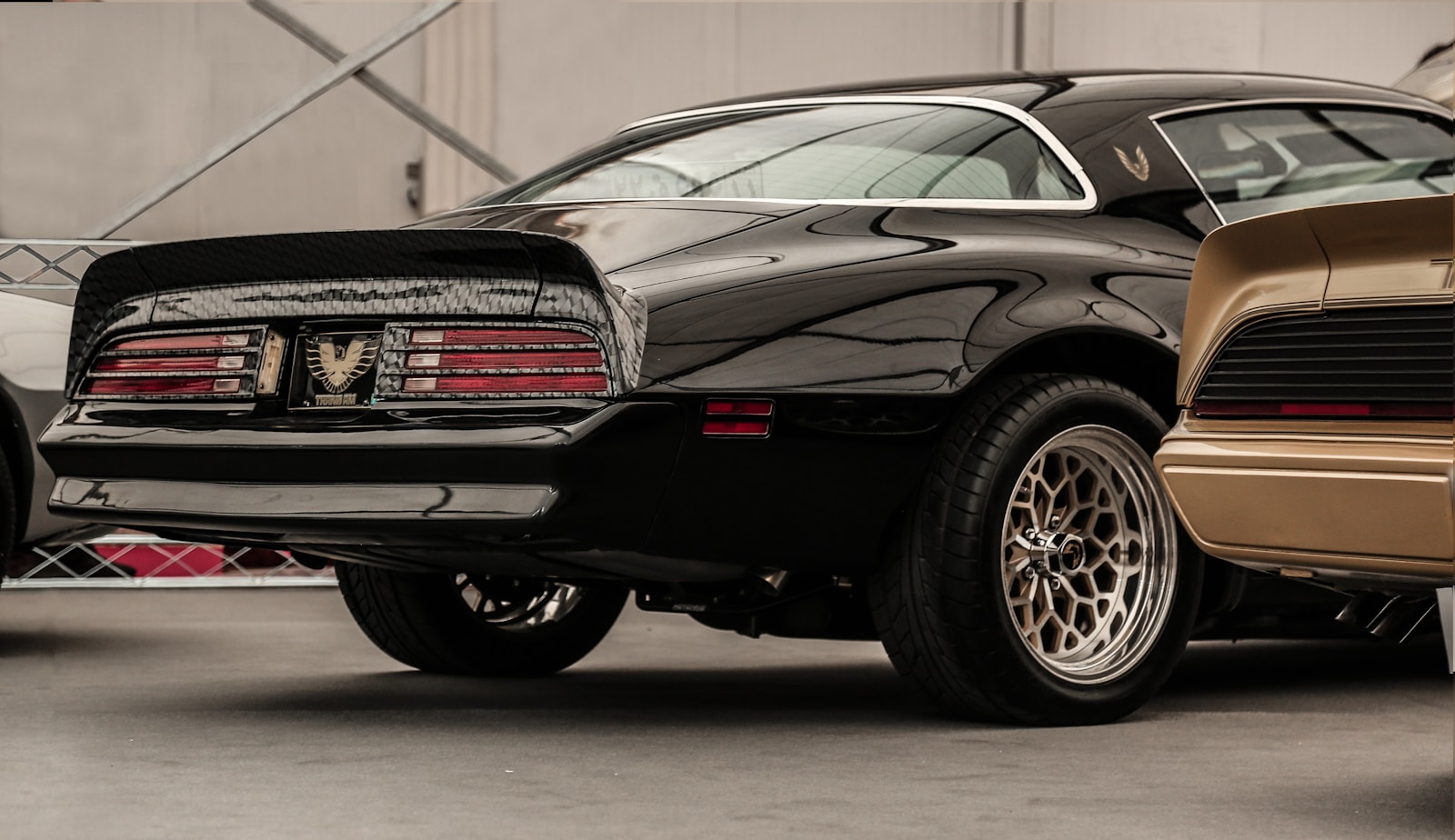
Pontiac built its last car in 2010, sold off the last dealership signage not long after, and the brand has had zero new product, zero marketing budget, and zero reason to stay relevant for a decade and a half. And yet the GTOs, Firebirds, and Grand Prix models it left behind are worth more, on average, than they were five years ago — in some cases a lot more. According to Hagerty’s Pontiac valuation data, pulled from the Hagerty Price Guide as of January 2026, every major Pontiac performance nameplate has climbed since 2020, and the growth isn’t uniform — some models are appreciating for reasons that have nothing to do with the broader muscle car market’s mood.
GM announced it was killing Pontiac in April 2009 as part of its bankruptcy restructuring, and the last Pontiac built — a G6 sedan, not exactly a car anyone puts a poster of on their wall — rolled off the line in January 2010. There was no farewell special edition, no last-of-the-breed marketing push. The brand just stopped. Sixteen years later, the performance cars it’s remembered for are behaving less like a discontinued product line and more like an asset class with its own momentum.
The GTO Is Climbing, Just Not Dramatically
Across all model years, GTOs in #3 (good driver-quality) condition rose 14% over five years, from an average value of $56,396 to $64,551, per Hagerty’s data. That’s a steady, unspectacular climb — the kind that suggests real collector demand rather than a speculative spike. The final-generation 2004–2006 GTOs, built on the Holden Monaro platform and long dismissed by purists as “not a real GTO,” gained 6.8% since 2020 and now average $18,800 in #3 condition. That’s a car you can still buy for less than a loaded pickup truck, and it’s moving in the right direction.
Second-Gen Firebirds Are the Real Story
The bigger number belongs to the Trans Am. Hagerty’s data shows 1970–1981 second-generation Firebirds — the smokey-and-the-bandit era, the ones with the screaming chicken hood decal — jumped 21.5% since 2020 to an average value of $23,900. That’s a faster climb than the GTO put up in the same window, on a car GM built by the hundreds of thousands. At the extreme top end, the rarest first-generation cars have simply left the atmosphere: an original 1969 Trans Am convertible, of which only eight were built, now carries a #1 (concours) value of $1.4 million, according to Hagerty.
Grand Prix Is the One Nobody’s Watching
Here’s the number that should reframe how you think about Pontiac’s back catalog: the Grand Prix appreciated 55% over five years, the strongest five-year gain of any of the three nameplates Hagerty tracks, reaching an average #3 value of $22,560. It’s a car that spent decades in the shadow of the GTO and Trans Am, treated as a personal-luxury also-ran instead of a performance Pontiac. The ceiling on the model is real, too — a 1962 Super Duty Grand Prix, the factory-built drag-strip special, is valued at $267,000 in #1 condition. A nameplate nobody was fighting over a decade ago is now quietly outpacing its more famous siblings on a percentage basis.
Who’s Actually Bidding on a Dead Brand
The valuation numbers only tell half of it — the demand side, tracked through Hagerty’s insurance quoting data, explains why the market keeps moving. Pontiacs made up roughly 5% of all Hagerty policy quotes in 2024, and the Trans Am alone generated more than 17,000 quotes that year — enough to rank it the #8 most-quoted vehicle at Hagerty, across every make the company insures. Sixty-eight percent of those Trans Am quotes came from Gen X buyers and younger, up from 62% the year before. The GTO pulled in just over 6,000 quotes, split fairly evenly between the original 1964–67 body style (42%) and the 1968–72 cars (35%). The Grand Prix, smaller in volume at roughly 1,400 quotes, still posted 21% growth from 2023 — the fastest year-over-year gain of the three.
A Dead Brand With a Live Market
None of this is a broader muscle-car boom lifting every GM performance car equally — Pontiac’s numbers are moving on their own schedule, driven by a specific generation of buyers who grew up wanting these exact cars and now have the income to buy them. A brand doesn’t need a factory, a dealer network, or a single new model to keep appreciating. It just needs people who remember it, and Pontiac’s data says there are more of them writing checks every year, not fewer.
That’s the part worth sitting with: the quoting data and the valuation data are telling the same story from two different directions. Younger buyers are pulling GTOs, Trans Ams, and Grand Prix models into their garages at a rate that’s actually accelerating, not fading as the generation that bought these cars new ages out of the market. Whatever happens to what’s left of the Pontiac name in dealer lore, the cars themselves have decoupled from the fate of the badge on the hood.