
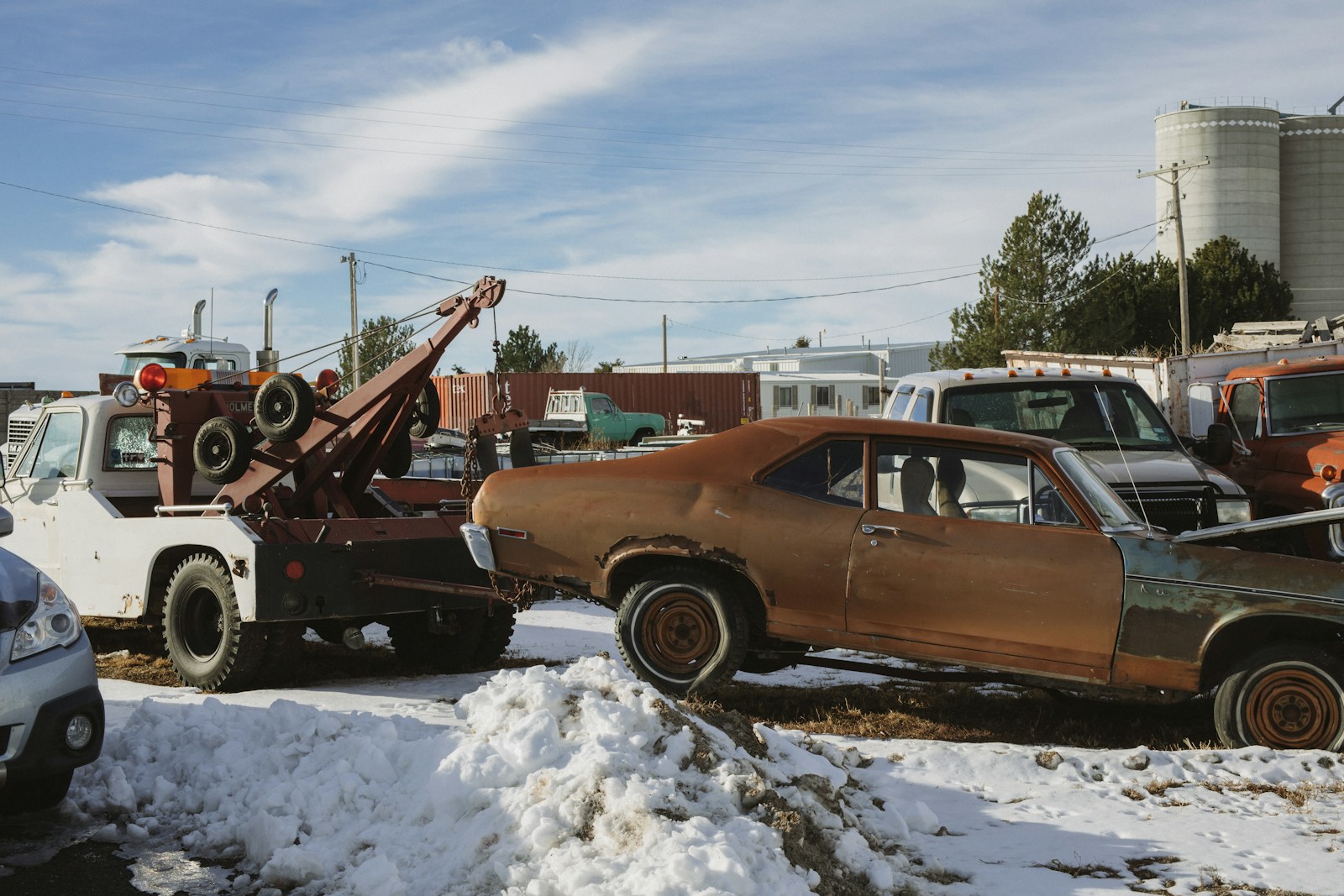

A Lubbock, Texas tow lot once paid property owners $20 for every vehicle they had towed off private lots, a kickback that let those businesses pull in more than $500 a week just from referring cars to be hauled away, according to a report from the U.S. Public Interest Research Group. That arrangement is legal in most of the country. Only about a third of states ban the kind of kickback that turns a parking lot owner into a paid referral source for a tow company, and the driver whose car disappears never sees a cent of that money, only the bill.
How a Parking Lot Tow Becomes a Hostage Situation
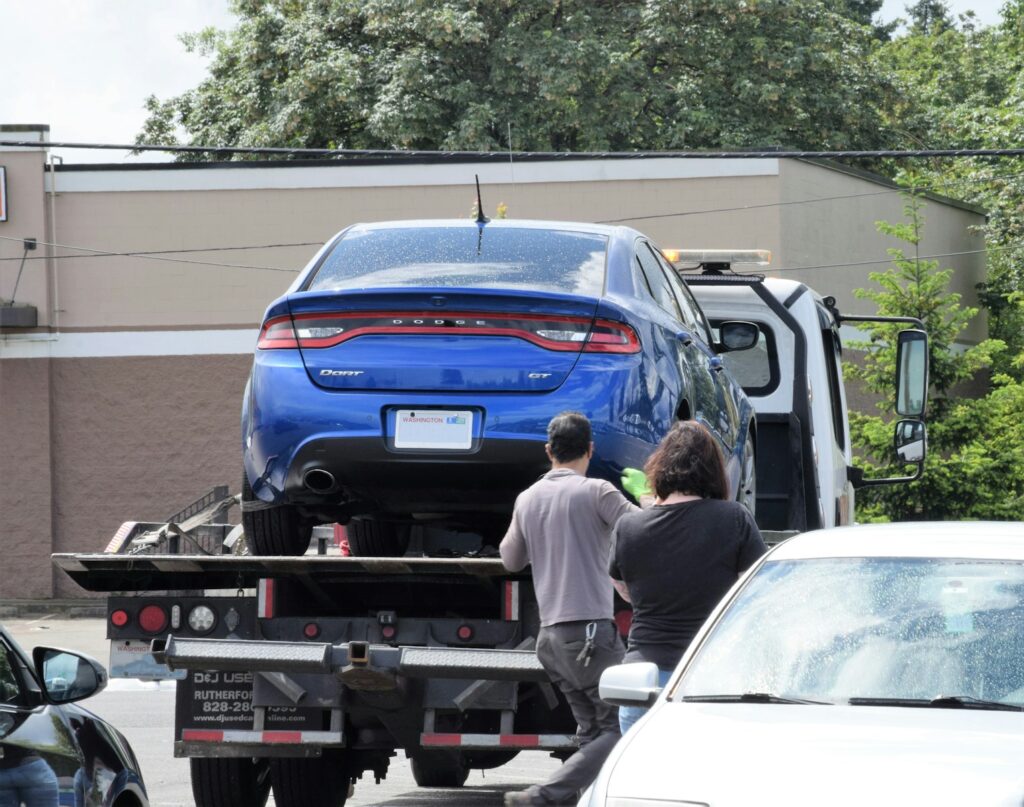
Private-property towing is different from a tow ordered by police at a crash scene. A property owner or manager authorizes a towing company to remove vehicles from their lot, often under a standing agreement rather than a case-by-case call, and some of those agreements include per-vehicle kickbacks that reward the tow operator and property owner alike for hauling away as many cars as possible. PIRG’s research found this incentive structure “opens a door to incentivizing tows even when they are illegal,” and documented tows triggered by cosmetic issues like a flat tire, a cracked windshield, or expired registration stickers, even when the vehicle was properly parked in its assigned space.
Once a car is off the lot, the tow yard controls the timeline. Some states allow notification delays to a vehicle’s owner of fifteen to thirty days, and every day the car sits unclaimed adds another storage fee on top of the original tow charge, according to Washington Consumers’ Checkbook’s reporting on the practice. By the time an owner tracks down where their car went, the combined tow-plus-storage bill can climb into the thousands, sometimes exceeding what the vehicle itself is worth.
Where the Law Actually Pushes Back
Some states have moved to close the loophole. New Jersey’s Predatory Towing Prevention Act specifically targets the practice, and the state’s Division of Consumer Affairs settled with six towing companies for a combined $55,106 in civil penalties, consumer restitution, and investigative costs, according to the New Jersey Attorney General’s own announcement of the settlements. The violations cited included non-consensual towing without a proper property-owner contract, missing or inadequate warning signage, unauthorized or excessive fees, failing to keep required tow logs and receipts, and what the state called “trolling for vehicles to tow,” meaning the towing company was actively hunting for cars to remove rather than responding to a property owner’s genuine request.
PIRG’s research counts seventeen states with some form of kickback ban already on the books, including California, New York, Texas, Florida, and New Jersey, but that still leaves the majority of states without one. The towing industry overall was projected to reach $11.3 billion in 2022, a 10% jump from 2020, growth PIRG’s research attributes largely to an increase in non-consensual private-property tows rather than accident recoveries.
What to Do If a Lot Won’t Release Your Car
Ask for an itemized invoice and the specific statutory authority the lot is relying on to hold the vehicle, since many states cap how much a tow operator can legally charge for the tow itself and for each day of storage, and a lot charging above that cap is violating the law even if it never gets caught. Photograph any posted signage, or the lack of it, at the property where the car was parked, since inadequate signage is one of the most commonly cited violations in state enforcement actions.
File a complaint with the state agency that regulates towing, often the state’s consumer affairs division, public utilities commission, or attorney general’s office, and request records of any contract between the towing company and the property owner. PIRG’s report also recommends that tow operators be required to accept credit cards and allow owners to retrieve personal belongings from an impounded vehicle even if they cannot immediately pay the full bill, protections that exist in some states but not all.
The incentive structure is the whole story here: when a property owner gets paid for every car that disappears from their lot, the definition of a “violation” worth towing over tends to get generous fast.