
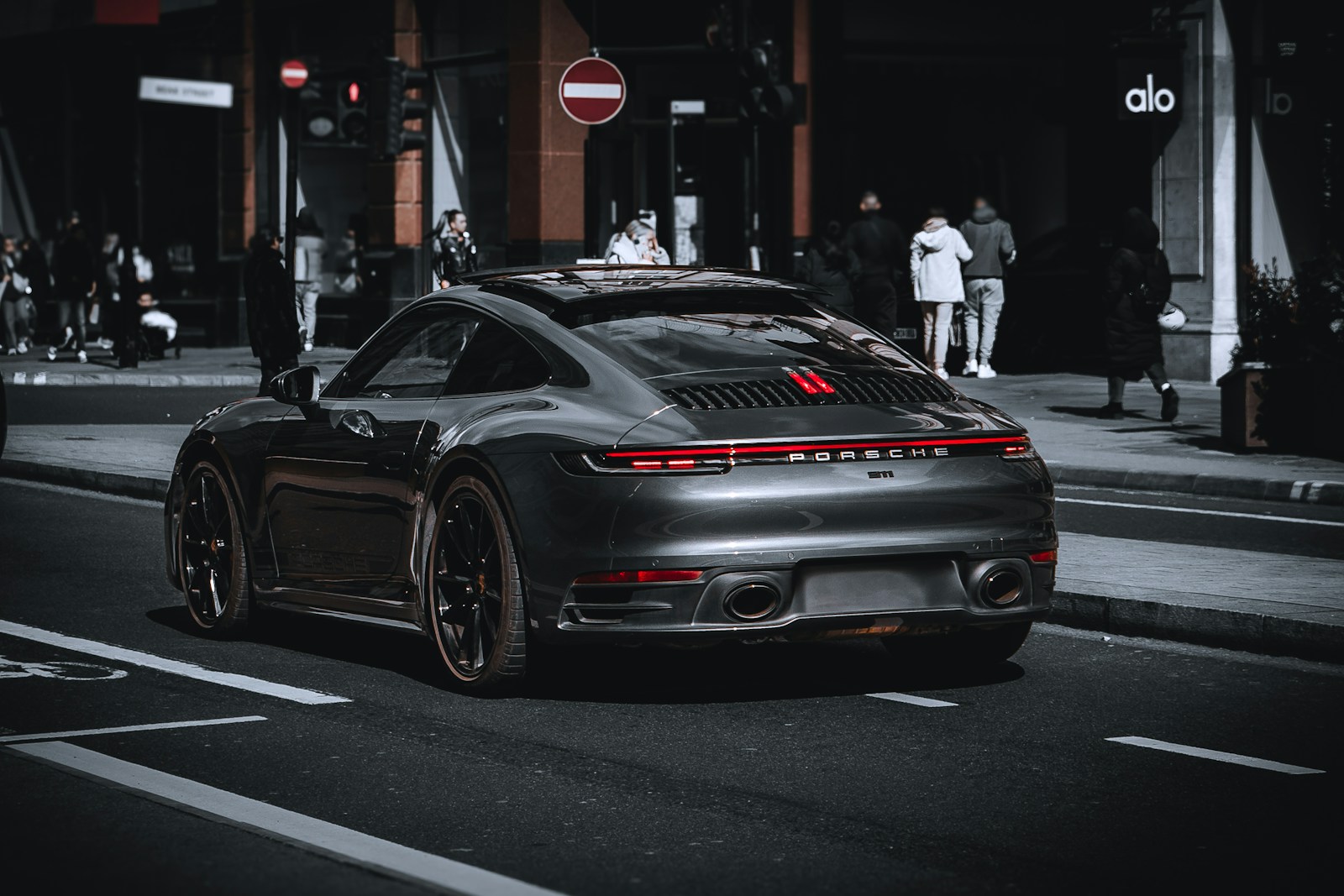

The most powerful 911 Porsche has ever built for the road is not a pure combustion car. It’s a hybrid, and Porsche isn’t quiet about it. The 2026 911 Turbo S T-Hybrid makes 701 horsepower combined, hits 60 mph in 2.4 seconds, and runs a Nürburgring Nordschleife lap roughly 14 seconds quicker than its predecessor, according to Porsche’s own press materials, which call it “the most powerful production 911 of all time.” The version of the 911 sitting at the very top of the range no longer runs on gasoline alone, and Porsche’s own numbers are the argument for why that’s supposed to be a good thing.
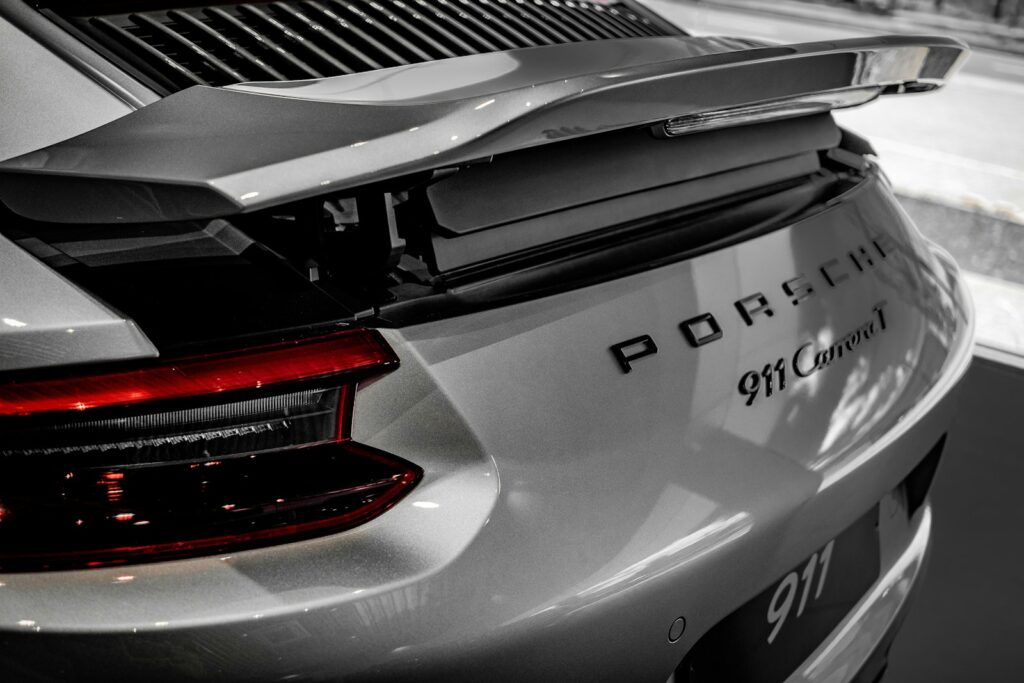
The GTS Already Made This Trade
The shift didn’t start with the Turbo S. Porsche’s 911 Carrera GTS T-Hybrid product materials show the new GTS producing 541 PS combined, versus 485 PS from the combustion engine alone, an increase of 45 kW, or roughly 61 PS, over the outgoing purely gas-powered GTS. Porsche’s own development driver, Jörg Bergmeister, lapped the Nürburgring Nordschleife in 7:16.934, beating the predecessor’s time by 8.7 seconds. The hybrid hardware adds only 50 kilograms of weight, according to Porsche, a small tax against a substantial jump in outright speed.
Turbo S Pushes the Case Further
The Turbo S numbers go beyond the GTS’s gains. Its system produces 590 lb-ft of torque available across a 2,300 to 6,000 rpm band, a 3.6-liter twin-turbo boxer engine paired with dual electric turbochargers and an electric motor built into the PDK transmission, running to a 200-mph top speed, with peak power arriving between 6,500 and 7,000 rpm. Porsche’s own press kit puts the Nürburgring improvement at around 14 seconds over the previous Turbo S generation, run on the same 12.9-mile Nordschleife layout enthusiasts have used to compare 911 generations for decades. In both cases, the number Porsche is selling isn’t efficiency. It’s outright pace, measured the same way enthusiasts have always measured a 911: horsepower, 0-60 time, and a Nordschleife lap.
The Engine Isn’t Disappearing, Just the Version Without a Battery
Porsche has been careful about how far this goes. CEO Oliver Blume told Porsche’s own newsroom, “Porsche will always offer combustion engines, particularly in the 911,” while also stating that “around 50 percent of all Porsche vehicles could be sold with an electric or hybrid drive by 2025” and adding, “we can’t stop the onward march of electromobility.” Read together, those statements describe exactly what’s happened at the top of the 911 range: the Carrera and Carrera T trims still ship with combustion power and no battery, but the GTS and Turbo S, the trims that used to define how fast a 911 could go, are now hybrid-only. If you want the quickest new 911 money can buy, you’re buying a car with an electric motor in it, whether that fits the traditional image of the nameplate or not.
What Enthusiasts Are Actually Weighing
The skepticism among longtime 911 buyers isn’t really about whether the T-Hybrid system works. Porsche’s own lap times and horsepower figures settle that argument on paper. It’s about what a 50-kilogram battery and motor package sitting in a car built around decades of obsessive weight discipline represents for where the platform goes next, and whether the added complexity of a hybrid drivetrain is something buyers want to own long-term, given how differently hybrid systems age compared to a naturally aspirated flat-six with three decades of parts availability behind it. Porsche is betting the lap times and horsepower numbers answer that question before the ownership-cost one ever gets asked.
A Pattern, Not Just One Model Line
What’s happening at the top of the 911 lineup mirrors a broader shift across performance brands weighing the same tradeoff: keep the halo model pure and slower, or hybridize it and claim the podium. Porsche has picked the second option for its two fastest 911 variants while leaving its entry trims alone, a split strategy that lets the brand keep both arguments alive at once, the combustion purist’s 911 and the record-setting one, under a single nameplate that now means two very different things depending on which end of the range you’re looking at.
It’s worth remembering the GTS badge used to be the enthusiast’s sweet spot precisely because it was the last stop before things got complicated, a lighter, purer, more focused 911 than the tech-laden Turbo above it. That badge now carries a battery, an electric turbocharger, and 45 kW more output than the combustion engine could manage on its own, which means the car that used to represent the simple end of the 911 range is the same car making the strongest case for why simple isn’t winning anymore.