
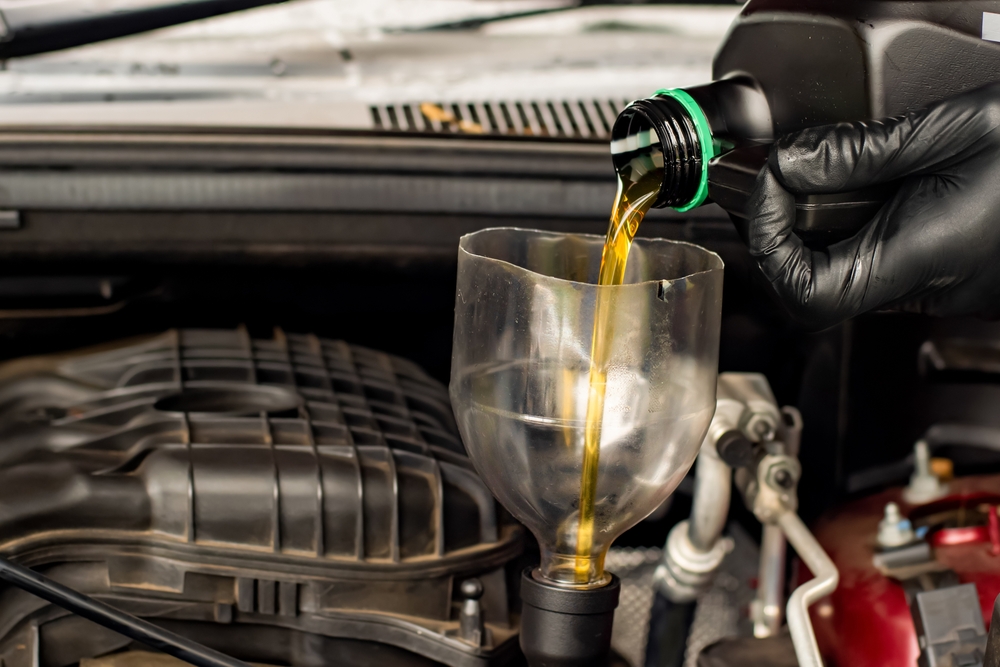

It started the way these things always start: somebody trying to do the responsible, boring thing. A midweek oil change on a commuter car that hadn’t done anything wrong yet, the kind of appointment you squeeze in between work and errands because you’re trying to be an adult.
The customer pulled into a quick-lube shop that sells convenience as a personality trait. Bright lights, a clipboard, a tech who calls everyone “boss,” and a waiting area that smells like burnt coffee and tire rubber. In and out, 20 minutes, no drama—except there was drama, they just didn’t know it yet.
The first hint was small enough to ignore. When the car rolled out, there was that faint, oily smell that sometimes follows an oil change, and the customer noticed a little sheen under the engine bay when they got home. Nothing dripping onto the driveway, just enough to make you squint and think, “Maybe I’m being paranoid.”
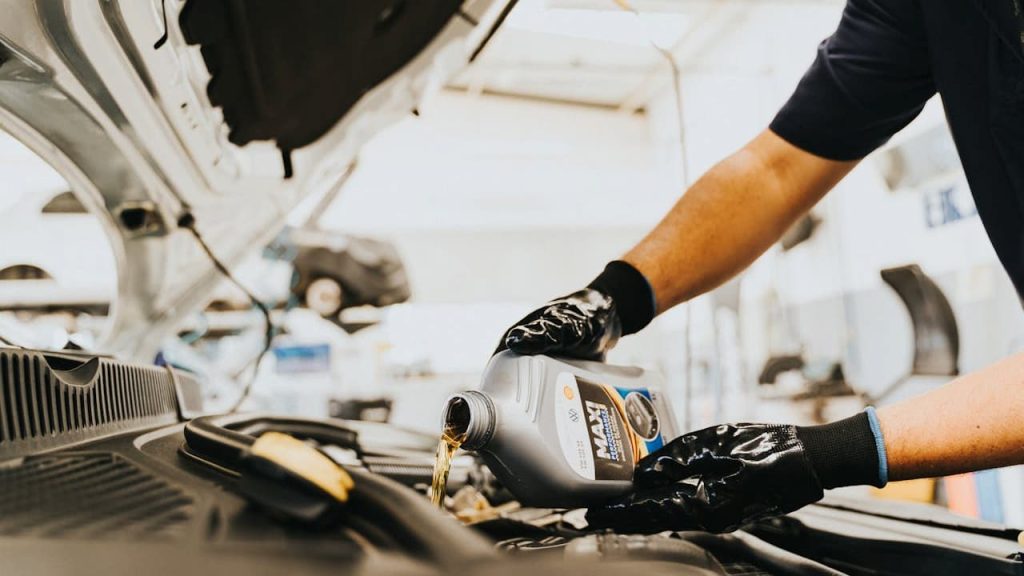
The oil change that wouldn’t stop “seeping”
The customer did what a lot of people do when they don’t want to be “that person.” They checked the dipstick, saw oil on it, and tried to talk themselves down. But the smell kept showing up, and the underside looked damp in a way that didn’t match “normal residue.”
So they went back the next day, still calm, still giving the shop every chance to fix it quietly. The manager came out with that practiced half-attentive look, the one that says, “I’m already composing the version of this where it’s not our fault.” They pulled it into a bay and put it up, and for a minute the customer watched the techs hover around the drain plug area like they were trying to remember what they did there.
When the car came back down, the explanation was fuzzy and oddly confident. “It was just a little seep,” they said, and then something about tightening it up and cleaning it off. The customer asked the obvious question—why was it seeping at all?—and got the kind of shrug that’s meant to end a conversation.
What the customer didn’t see in that moment was the telltale shine around the drain plug, like somebody had smeared something sticky on it. It looked too clean in one spot and too wet in another, but unless you’ve spent time under cars, it’s easy to miss the difference between “fresh oil leak” and “someone tried to make a problem look dry.”
Cross-threads and the silent little cover-up
Later, once the story got unpacked, the theory came into focus: the drain plug had been cross-threaded during the oil change. That’s the kind of mistake that happens fast and quietly, usually when someone starts the plug at an angle and forces it because the clock is ticking and the next car’s already in line.
Cross-threading doesn’t always announce itself with a dramatic snap. Sometimes it feels like it’s going in, just rough, like sand in the threads, and you can convince yourself it’ll “seat” if you give it a little more. But what you’re actually doing is chewing up the pan threads, turning a simple fastener into a future grenade.
Apparently, instead of stopping and owning it, somebody made the classic bad decision: hide the leak. The customer would later describe seeing what looked like sealant around the plug—some goopy stuff like RTV smeared to mask the seep. Sealant isn’t a thread repair, and it’s definitely not a substitute for properly torquing a plug that’s actually threaded correctly.
The shop, of course, didn’t frame it like that. They framed it like “we tightened it,” like the problem was a loose plug that needed a quick tweak. And the customer left believing the situation had been handled, because most normal people assume a professional shop wouldn’t send them onto a highway with a drain plug that’s barely hanging on.
The highway, the sudden silence, and no warning light
The failure didn’t happen in the parking lot where it could be embarrassing-but-fixable. It happened where it always hurts the most: at speed, out on the highway, with the car doing what it’s supposed to do and the driver thinking about literally anything else.
The customer was a few exits into the drive when things started feeling off. Not a loud bang, not a movie scene—more like a subtle change in the engine note, like the car’s voice had gone slightly hoarse. Then came a brief rattle that didn’t last long enough to diagnose, followed by a sudden loss of power that made their stomach drop.
And the oil light? It didn’t jump on in time to save anything. The engine was starving itself faster than the warning system could keep up, and by the time a light finally flickered—or by the time the driver noticed it—it was already too late. The customer got onto the shoulder with hazard lights flashing and that sick, helpless feeling of realizing the car is now just a heavy object you happen to be sitting in.
When they stepped out, the scene was obvious in the way the worst mechanical failures are obvious. There was oil sprayed back along the underside, a dark streaking pattern that told the story before any mechanic did. Somewhere behind them on the highway, the drain plug had apparently departed the vehicle like it had never belonged there.
Tow truck reality and the “you drove it with no oil” argument
The tow was one of those long, quiet rides where every bump feels accusatory. The customer called the shop from the shoulder, and the shop’s tone immediately shifted into defensive mode. Not panicked, not concerned—more like they were already setting up the line they wanted to stick with.
Back at the shop, the first move was predictable: make it about the customer’s choices. The implication was that they must’ve ignored a warning light, must’ve kept driving, must’ve done something wrong. It’s a neat trick—take an engine that failed catastrophically and turn it into a morality play about driver responsibility.
The customer, to their credit, had a timeline and a spine. They’d been back the day before because it was leaking, which is not what you do when you’re negligent. They hadn’t driven for weeks with a leak; they’d driven for a normal amount of time after being told it was “fixed,” and then the car died quickly enough that there wasn’t some long window of heroic intervention available.
When the car finally got inspected more seriously—either by a different tech, a dealer, or an independent shop—the physical evidence started doing the talking. The drain plug was gone. The threads in the oil pan were damaged in a way that suggested cross-threading, not random vibration. And the residue around the drain area looked like someone had tried to seal a problem that should’ve been repaired properly.
Receipts, denials, and the slow grind of consequences
Then came the part that turns a mechanical issue into a personal conflict: money. An engine replacement isn’t a “we’ll top it off and send you on your way” problem. It’s a number big enough to make people defensive, and big enough to make a customer feel like they’re watching their life get more expensive by the hour.
The shop didn’t just hand over an apology and a check. They leaned into uncertainty, into “we can’t verify,” into the kind of cautious language that sounds reasonable until you’re the one staring at a dead car. They might’ve offered to “inspect it further,” which in practice can mean dragging things out until the customer gets tired, or until the evidence is conveniently less clear.
The customer started collecting paper like it was armor—service invoice, tow receipt, photos of the leak, photos of the underside, notes from the mechanic who saw the damaged threads. That’s when the awkward little details became important: the fact that they’d returned immediately after noticing a leak, the way the shop had described it, the way the plug area looked suspiciously gooped up.
There was also the weird emotional whiplash of dealing with employees who act friendly while denying responsibility. A manager can keep a calm voice while essentially telling you your destroyed engine is your problem, and that calmness makes the whole exchange feel even colder. The customer wasn’t just fighting for a repair; they were fighting not to be rewritten as the idiot in someone else’s story.
By the time things escalated into threats of insurance claims, corporate complaints, or legal action, the car was already a casualty. The customer’s life had already been rearranged around rentals, rides, missed work, and the constant low-grade stress of not knowing whether they were about to eat the cost of an entire engine because someone couldn’t be bothered to start a drain plug properly.
The ugliest part is that there’s no dramatic “gotcha” moment where the shop suddenly confesses. It’s just this grinding standoff: a customer with a dead engine and a paper trail, and a quick-lube business built to keep cars moving fast enough that any one disaster can be treated like an anomaly. The drain plug fell out on the highway, the engine ate itself before the warning light could matter, and the only thing still running smoothly is the shop’s ability to say, with a straight face, that they’re “not sure what happened.”
More from Steel Horse Rides: