
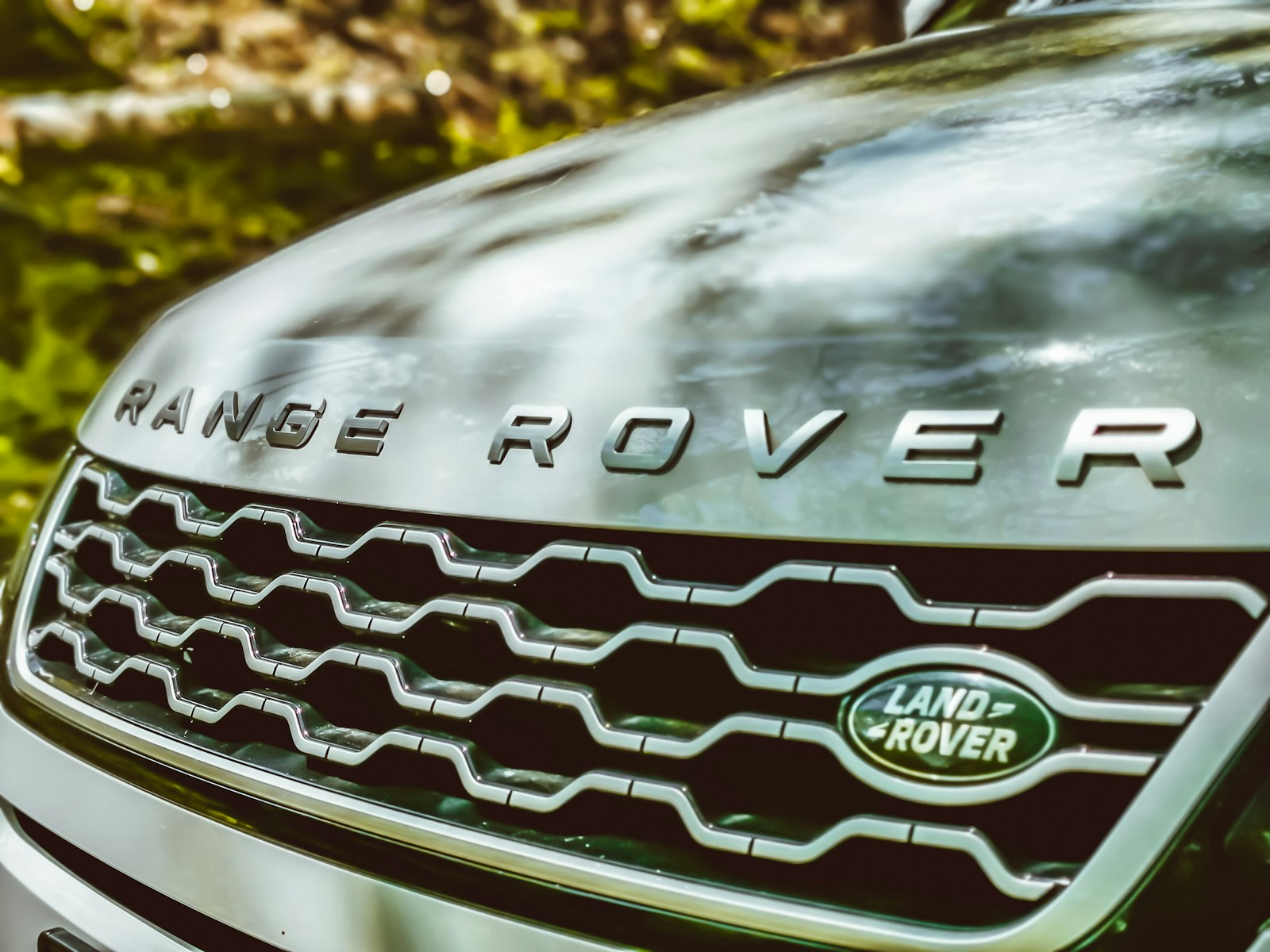

Range Rover is preparing to launch its first all-electric SUV, and the changes go far beyond just swapping out the engine. The electric Range Rover Velar will feature a dramatically different design both inside and out, with spy photos revealing an almost fastback-like profile and an interior layout that’s turning heads across the automotive world.
The 2027 Range Rover Velar EV represents a significant departure from the current gas-powered model. Recent spy shots show a vehicle that looks completely different from what Range Rover buyers have come to expect, with design choices that suggest the brand is willing to take risks with its electric future.
The interior changes are particularly striking. Photos reveal separated driver and infotainment displays along with a two-spoke steering wheel that breaks from traditional Range Rover design language, signaling that this isn’t just an electric powertrain dropped into an existing SUV body.
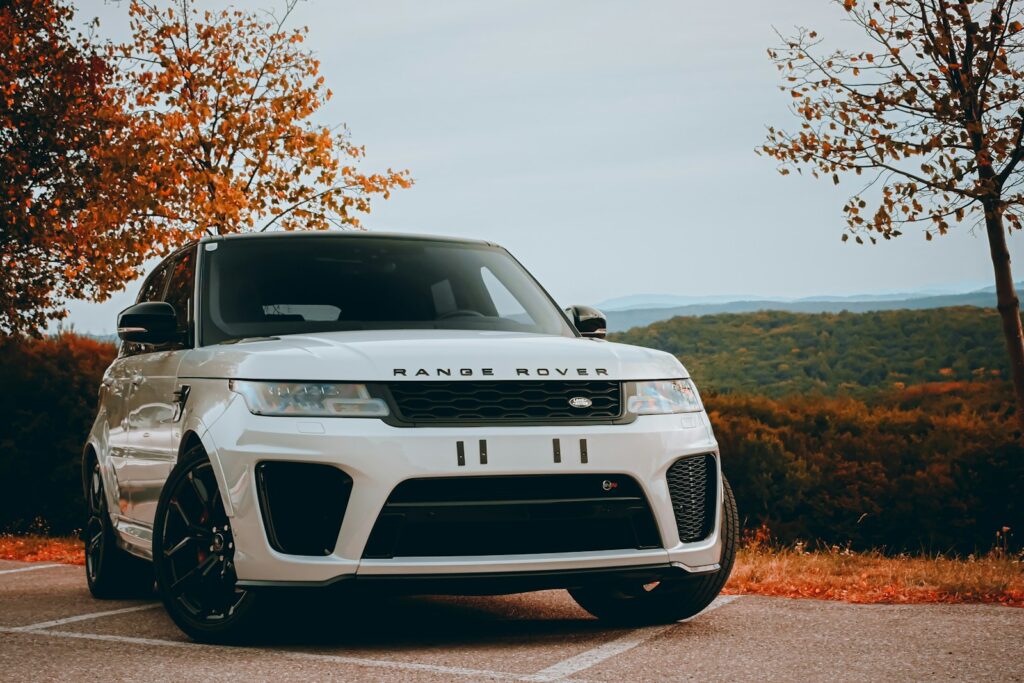
Redesign of the Range Rover Electric: What’s New and Exciting
The Range Rover Electric represents a significant shift for JLR, featuring the brand’s first in-house assembled battery and electric drive unit while maintaining the luxury SUV’s iconic presence. The vehicle debuts on the MLA-Flex platform with technical innovations that include advanced thermal management and silicon carbide semiconductors.
Design Evolution and Exterior Updates
The electric Range Rover maintains the nameplate’s recognizable silhouette while incorporating subtle updates for its electric powertrain. Unlike some luxury EVs that adopt radical new styling, Land Rover chose to preserve the iconic Range Rover design language that buyers expect.
Early prototype images show uncamouflaged all-black test vehicles that stay true to the traditional proportions. The exterior changes focus on aerodynamic efficiency rather than dramatic visual departures. This approach differs from the upcoming Velar EV, which features a more radical transformation.
Production will take place at the Solihull plant, where JLR has invested in new manufacturing capabilities. The design strategy reflects confidence that Range Rover buyers want electric capability without sacrificing the aesthetic identity that defines the brand.
MLA-Flex Platform and Technical Innovations
The Range Rover Electric rides on JLR’s MLA-Flex platform, which was specifically engineered to accommodate both electric and combustion powertrains. This architecture houses a 118kWh battery pack constructed with prismatic NMC cells arranged in a cell-to-pack configuration that eliminates traditional module packaging.
The battery system incorporates silicon carbide semiconductors that improve charging efficiency and reduce energy loss. A sophisticated thermal management system maintains optimal battery temperatures across varying conditions and climates.
Details presented at JLR Investor Day 2025 revealed the technical specifications behind the electric drive unit. The permanently excited synchronous motor design was developed in-house rather than sourced from external suppliers. Engineering leads Richard Molyneux and Thomas Müller oversaw the integration of these systems into the MLA-Flex architecture.
Performance: Motors, Power, and Range
The dual-motor all-wheel-drive setup delivers 542 bhp combined output, positioning the electric Range Rover competitively against other luxury EVs. The permanently excited synchronous motors provide instant torque delivery that changes the character of Range Rover acceleration compared to traditional powertrains.
The 118kWh battery capacity targets extended range capability that matches the expectations of Range Rover buyers who regularly drive long distances. Twin-chamber air suspension adapts to varying terrain while maintaining the refined ride quality the brand is known for.
Single-pedal driving and hill hold functions come standard, allowing drivers to modulate speed primarily through the accelerator pedal. These features work particularly well in off-road situations where precise speed control matters. The electric powertrain delivers the low-speed torque control that made Range Rover Sport models capable off-road performers, now without engine noise or gear changes.
Interior Overhaul and Groundbreaking Features
The Range Rover Electric brings a radical shift in cabin philosophy, ditching traditional luxury materials for eco-conscious alternatives while packing in cutting-edge tech that puts connectivity front and center.
Leather-Free and Sustainable Material Choices
The Range Rover Electric marks a departure from the brand’s leather-heavy heritage. The cabin features entirely leather-free materials, utilizing sustainable textiles and synthetic alternatives that aim to maintain the premium feel buyers expect from the nameplate.
This shift aligns with the vehicle’s electric powertrain philosophy built on the MLA-Flex platform. The high-end interior materials and features remain consistent with what makes the Range Rover special, just sourced differently. Early reports suggest the materials include recycled fabrics, responsibly sourced wood veneers, and advanced microfiber surfaces designed to replicate the tactile quality of traditional leather without the environmental impact.
Advanced In-Car Technology and Connectivity
The electric model gets upgraded screens throughout the cabin, bringing modern infotainment capabilities to match its electric drivetrain. Wireless Apple CarPlay and wireless Android Auto come standard, eliminating the need for cable connections during daily drives.
A wireless smartphone charger sits ready in the center console for convenient charging on the go. The system integrates seamlessly with the vehicle’s thermal management technology, ensuring devices stay charged without overheating. These tech additions complement the sophisticated digital interface that controls everything from climate settings to the vehicle’s performance modes across different terrain conditions.
Enhanced Comfort and Customization
The Range Rover Electric offers the full spectrum of trim levels, from standard versions through Autobiography and SV variants. Each brings different levels of customization to the cabin experience, allowing buyers to spec their vehicle to precise preferences.
The seating configurations maintain the spaciousness Range Rover is known for, with added focus on adjustability and support for long-distance comfort. Different ambient lighting schemes, configurable display layouts, and personalized driver profiles let occupants tailor the environment to their liking. The MLA-Flex platform’s design allows for creative interior packaging that maximizes space while housing the large battery pack underneath.
More from Steel Horse Rides:
- 13 Most Powerful Muscle Cars of All Time
- 13 Underrated JDM Cars That Deserve More Love
- 15 JDM Cars That Were Illegal in the U.S.
- 13 SUVs From the ’90s That Are Surprisingly Cool Today