
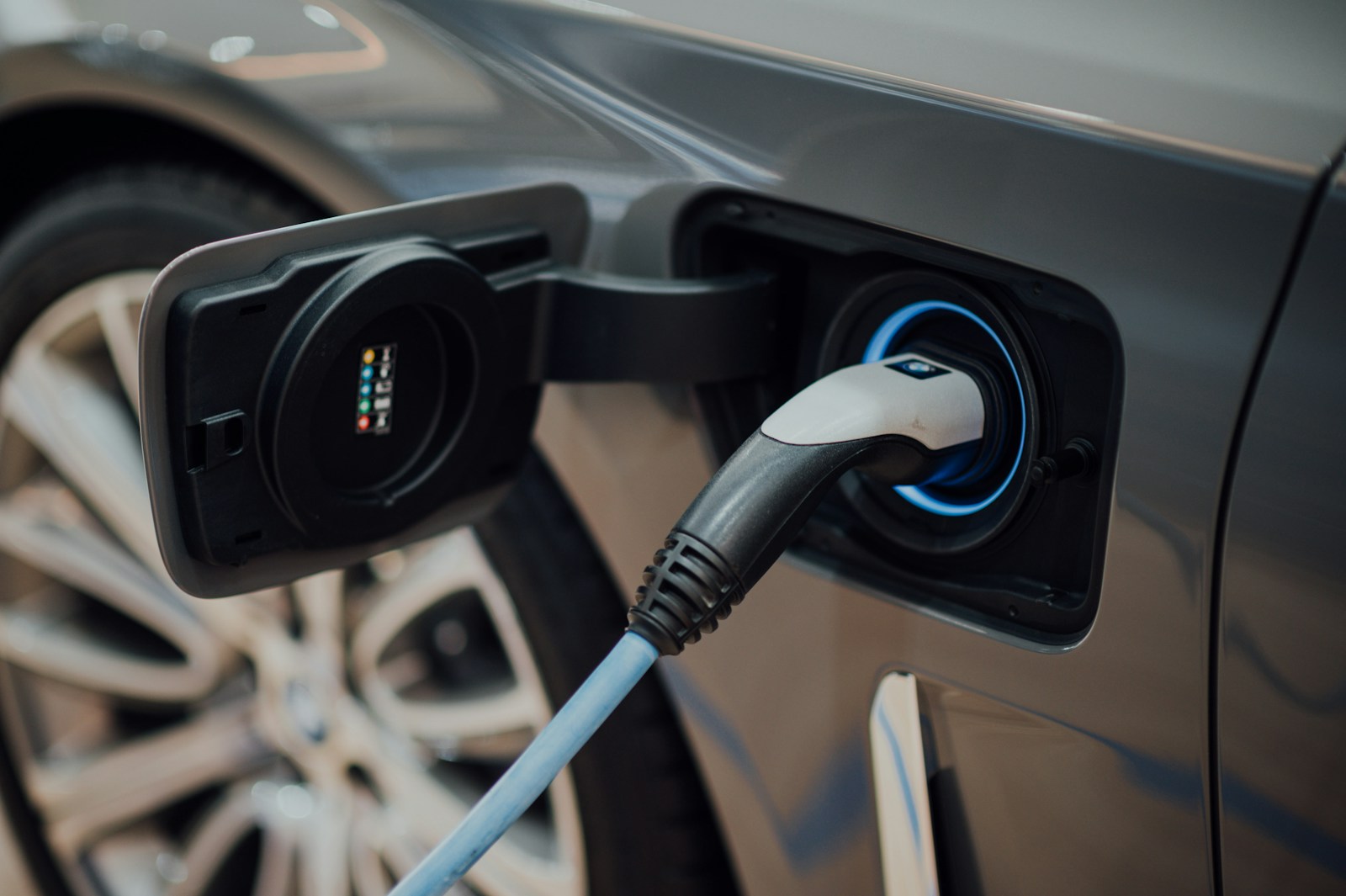

Across more than 15,000 real-world EVs that had collectively racked up 250 million miles of driving, the average battery pack lost just 1-2% of its range per year — and only about 1.5% of those packs had ever needed a replacement for any reason, according to Recurrent Auto’s own research. That’s not a marketing claim from an automaker with a reason to spin the numbers. It’s aggregated telemetry from EVs already on the road, owned by regular drivers doing regular commutes, and it directly contradicts one of the most persistent fears keeping people out of EV dealerships: that the battery is a ticking clock toward a five-figure replacement bill.
The Study Behind the Number
Recurrent built its dataset by pulling anonymized data from a community of over 15,000 electric vehicles, spanning a wide range of makes, models, and climates, then tracking how each pack’s usable range changed over time and mileage. Two hundred fifty million miles is not a small sample — it’s roughly the equivalent of driving to the moon and back more than 500 times, spread across thousands of individual cars living in real garages and driveways rather than a controlled lab. That scale is what makes the finding hold up: it isn’t cherry-picked best-case data from a handful of pampered test vehicles, it’s an average pulled from ordinary daily use.
1-2% a Year Is a Rounding Error Over a Car’s Life
Do the math on that annual degradation rate and the picture gets even better. At 1.5% average yearly loss, a battery would still be sitting around 85% of its original range after a full decade of ownership — plenty for the overwhelming majority of daily driving, even accounting for the steeper drop-off many packs show in their first 10,000 to 20,000 miles as the battery’s protective SEI layer forms. After that early adjustment period, Recurrent’s data shows degradation flattens out into something close to a straight line, meaning the battery that gets you through year three is behaving almost exactly like the one that gets you through year eight.
Only 1.5% of Packs Ever Needed Replacing
The number that should matter most to a nervous buyer isn’t the range-loss percentage — it’s the replacement rate. Just 1.5% of the batteries in Recurrent’s 15,000-vehicle community have needed to be swapped out for any reason at all, meaning the share replaced specifically because of degradation is smaller still. For comparison, that’s a lower failure rate than plenty of drivers would guess for a transmission or an engine over the same stretch of ownership. Federal rules already require automakers to warranty EV batteries for a minimum of 8 years or 100,000 miles, and this data suggests most packs are going to sail past that window without ever tripping the warranty in the first place.
Why the Fear Doesn’t Match the Data
A lot of the anxiety around EV batteries comes from comparing them to a smartphone battery, which visibly degrades within a year or two of daily charge cycles. But a car battery pack is a completely different piece of engineering — bigger, better cooled, and managed by software that actively protects it from the conditions that actually accelerate wear. Recurrent’s research points to heat, sustained high voltage, and parking for long stretches at a near-full or near-empty state of charge as the real accelerants of degradation, not simply racking up miles. A battery driven hard every day in a temperate climate can outlast one that sits mostly idle in extreme heat, which is the opposite of how most people intuitively think a battery should behave.
The Takeaway for Anyone Cross-Shopping a Used EV
What this data means in practice is that a used EV with 80,000 or 100,000 miles on the odometer is very likely still carrying the vast majority of its original range, not limping toward a battery replacement bill. Modern EV batteries, per Recurrent’s own framing of the results, are increasingly expected to outlast the rest of the car around them rather than the other way around. For a technology that’s still relatively young in the mainstream market, having a quarter-billion real-world miles of data pointing the same direction is about as strong a signal as buyers are going to get that the battery isn’t the liability it’s been made out to be.