
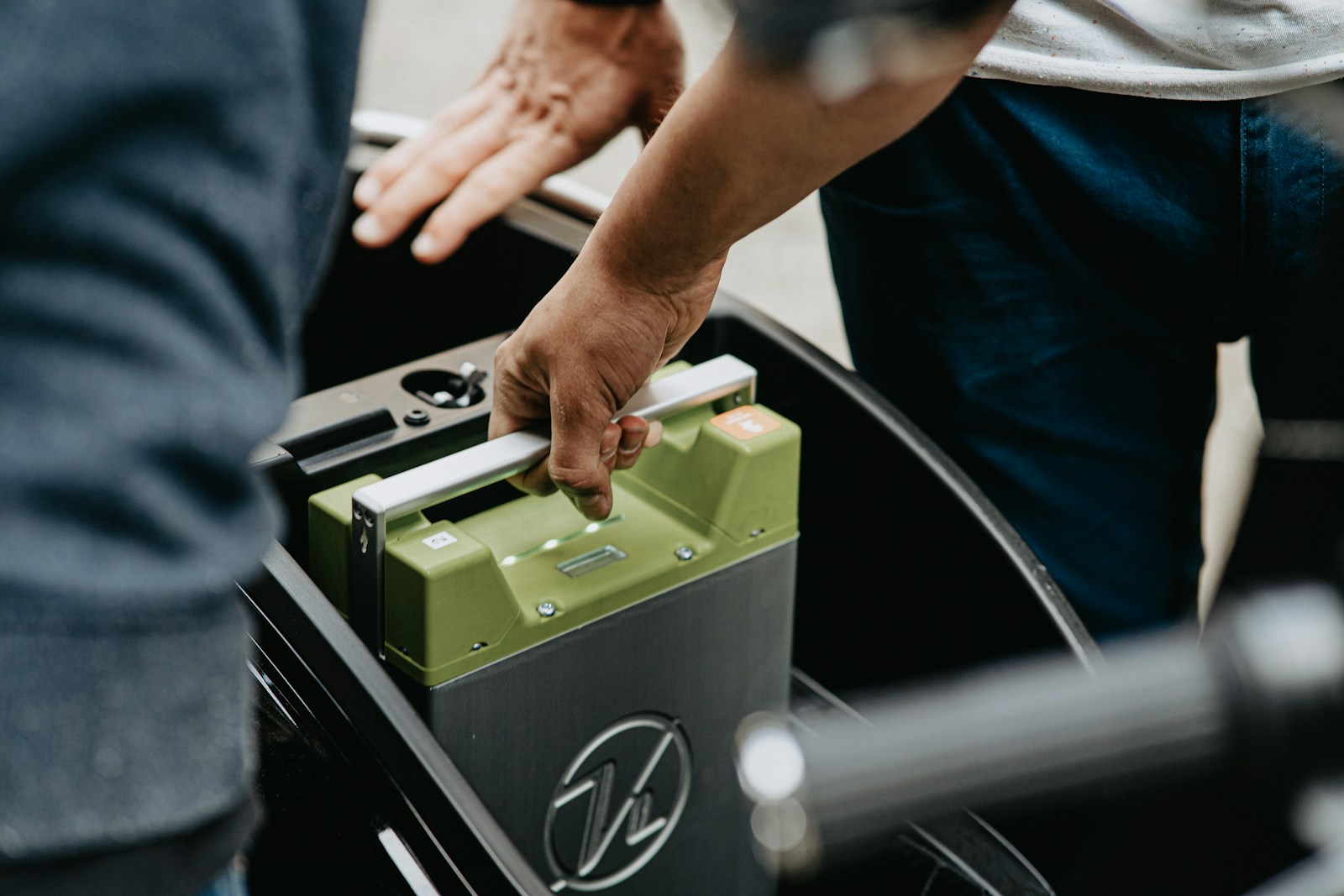

Replace a Nissan Leaf’s 24 kWh battery out of warranty and you’re typically looking at $4,000 to $6,500. Replace a Ford Mustang Mach-E’s pack the same way and one owner was billed more than $34,000 by a dealer, according to real-world repair figures compiled by Recurrent Auto’s battery replacement cost research. That’s not a rounding difference — it’s an eight-fold gap between two mainstream electric vehicles doing the exact same job. Battery replacement is the single biggest financial unknown in EV ownership once the manufacturer’s warranty runs out, and which brand’s badge is on the hood turns out to matter almost as much as the size of the pack itself.

The Nissan Leaf Sits at the Cheap End, and Battery Size Explains Why
Nissan’s Leaf offers the clearest look at how pack size alone moves the price. Documented out-of-warranty replacement costs run $4,000 to $6,500 for the smaller 24 kWh pack, climb to $5,000 to $8,000 for the 30 kWh version, jump to $8,000 to $12,500 for the 40 kWh pack, and reach $12,000 to $15,000 for the largest 62 kWh Leaf battery, per Recurrent’s compiled repair data. That’s the same nameplate, the same basic architecture, scaling almost linearly with kilowatt-hours. It’s the cleanest illustration in the entire EV market of what a battery actually costs to build and replace once you strip out brand markup and dealer labor rates.
Tesla and Legacy Automakers Show How Much Brand and Labor Actually Cost
Tesla’s own documented replacements run higher across the board: Model 3 owners have reported total costs near $15,799 for a remanufactured 75 kWh pack including labor, while Model S owners have faced quotes from $20,000 up to $22,000 total, and out-of-warranty quotes on older 2012-2013 Model S packs have hit $22,000, according to Recurrent’s Tesla-specific cost breakdown. Legacy automakers can run even higher relative to pack size — a Chevrolet Bolt owner was quoted $16,250 including labor back in 2018, a BMW i3 owner has reported dealership quotes as high as $33,000 for a 22 kWh pack roughly the same size as a base Leaf’s, and a Volkswagen e-Golf owner was billed $23,442.91 for a 35.8 kWh pack. Compare that BMW figure to the Leaf’s $4,000-to-$6,500 range for a similarly sized battery, and the brand premium becomes impossible to miss.
Newer, Larger Trucks and SUVs Are Setting a New Ceiling
The next generation of electric trucks and three-row SUVs is pushing replacement costs into territory the Leaf and even early Teslas never approached. Rivian owners have reported quotes near $18,000, and Ford has billed at least one Mustang Mach-E owner more than $34,000 for a full pack replacement — again, per Recurrent’s tracked repair reports. Hyundai’s Ioniq 5 has shown an especially wide range, with reported figures spanning roughly $6,334 up to $36,000 depending on the market and the extent of the damage being repaired. These aren’t hypothetical worst cases pulled from a press release; they’re bills real owners have posted and reported after their factory battery warranties — which commonly run eight to ten years, per Recurrent’s tracked repair reports — had already expired.
The Number That’s Actually Falling
Here’s the part that should reassure shoppers more than it currently does: the underlying cost of battery cells has been dropping fast, falling from over $400 per kWh to roughly $111 per kWh by the end of 2024, according to Recurrent’s research. Replacement bills haven’t caught up to that trend yet because labor, diagnostics, and dealer markup make up a large share of the final invoice — which is exactly why the brand you choose, and whether its service network treats a battery swap like a routine repair or a specialty procedure, matters as much right now as the chemistry inside the pack.
What to Actually Do With These Numbers
None of this means an out-of-warranty EV is a ticking time bomb — most packs are designed to outlast the vehicle around them, and full-pack failures remain uncommon events rather than routine maintenance. But shoppers cross-referencing a used Bolt against a used Leaf, or a used i3 against a used Model 3, are really comparing two very different worst-case bills disguised as similar-looking used cars. Third-party refurbished packs are starting to undercut dealer quotes significantly — Recurrent’s data points to refurbished Tesla and Nissan packs running well below OEM replacement pricing — which gives cost-conscious buyers a real lever to pull if a factory quote comes back painfully high. Shopping for a used EV without checking that brand’s documented replacement range first is shopping half-blind.