

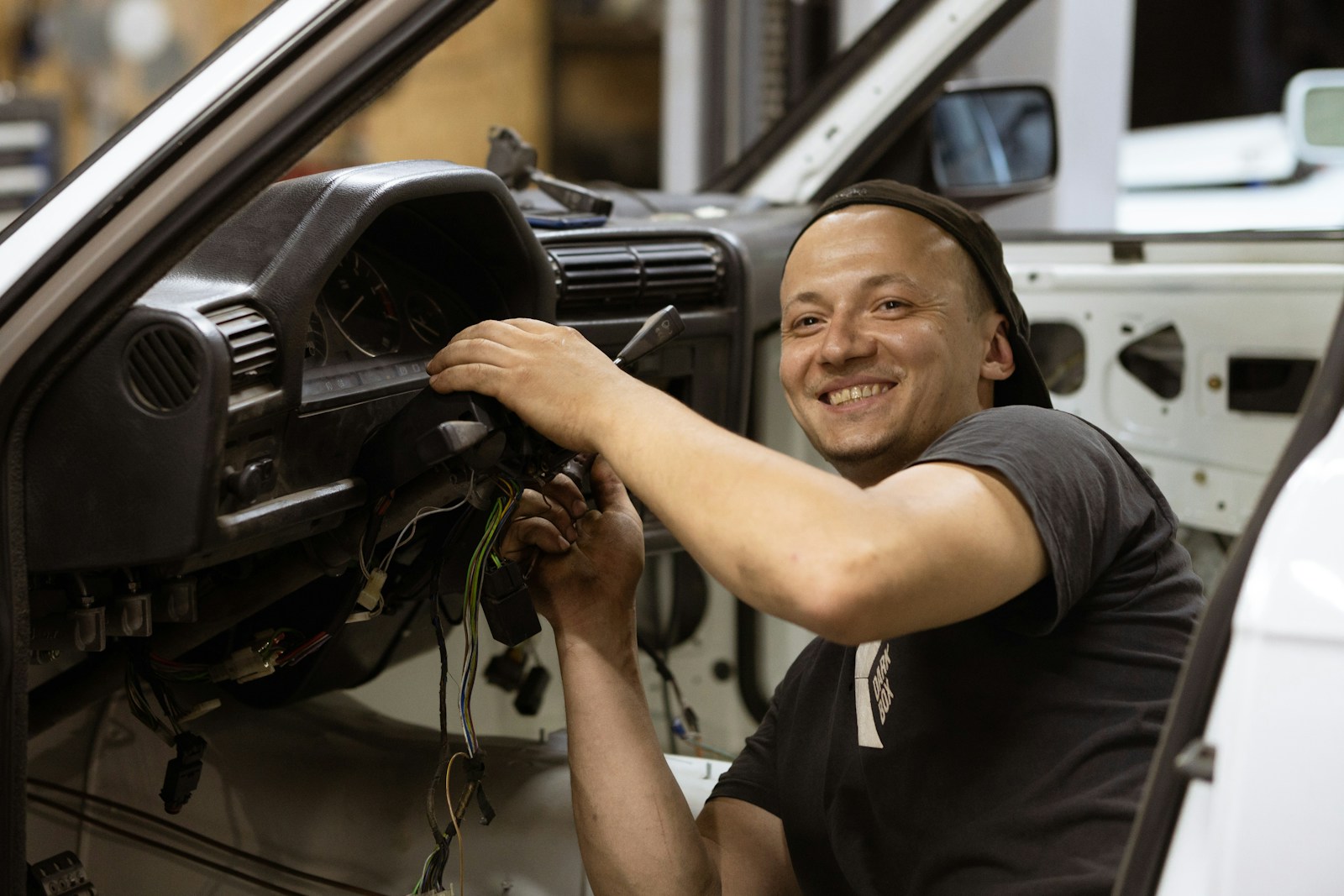
It started the way these projects always start: a guy shows up at a restoration shop with a classic he’s been bragging about for months. He’s got that careful pride in his voice, the kind that says he’s already rehearsed the story for every gas station parking lot he’ll ever pull into. “Rust-free,” he tells the owner, like it’s a magic spell that makes the price make sense.
The shop owner doesn’t argue. He’s heard “rust-free” from people who’ve never put a car on a lift in their life, and he’s heard it from people who absolutely know what they’re hiding. This customer seemed like the first type—excited, a little nervous about the bill, eager to get it “finished right” after the last place “did most of the hard work.” He just wanted the shop to do the final sorting: interior, some minor metal, maybe paint correction, a proper once-over.
They rolled it in, wrote up the intake, did the walkaround. The body looked decent from ten feet, glossy even, in that fresh-paint way that reads as “done” to regular people and “recently covered up” to anyone who’s ever chased rust bubbles. The owner nodded along, took notes, and waited for the moment that always comes: the moment you stop looking at a car and start looking into it.
The first itch: the carpet that wouldn’t sit right
The first real red flag was tiny, almost stupid. The carpet didn’t lay the way factory carpet lays; it had a strange puffiness under the heel area and a stiffness near the rear footwell like someone had stuffed a thin mattress underneath. When the owner pushed down with his palm, it didn’t feel like metal under there—it felt like a floor in a shed.
He asked the customer if the interior had been out recently. The customer shrugged and said the last shop “re-did the floors” and “sealed everything,” said it like it was a selling point. The owner made the kind of neutral noise shop guys make when they don’t want to start a fight in the lobby, then told him they’d need to pull the carpet to check the seat mounts and belt anchors anyway.
That’s how it always begins: a legitimate reason to peek, followed by an hour of realizing you’ve been lied to in layers. The customer didn’t hover; he wandered the shop, looked at other cars, asked the receptionist about timelines. The owner and his techs got the seats out and started peeling back the edges of carpet like they were opening a wound.
When “new floor pans” means plywood and rivets
Under the carpet wasn’t shiny new stamped steel, not even ugly patch panels. It was plywood—actual wood—cut into rough shapes and riveted down like someone was building a boat. The edges weren’t even sealed neatly; there were little gaps where you could see daylight if you angled a flashlight just right.
Someone had painted over it, too. Not just a mist of black to make it disappear, but a committed coat, the kind of thick paint that fills wood grain and tries to pretend it’s undercoating. There was overspray on the wiring and little paint boogers on the rivet heads, like the person doing it was in a hurry and didn’t care where it landed.
The shop owner stood there for a second, one hand on the door sill, looking down like he was trying to translate a foreign language. A tech did that quiet laugh people do when something is so wrong it loops back around into absurd. Nobody yelled; it was worse than yelling, because it meant everyone in the room understood exactly what kind of mess they were now standing inside.
They kept pulling. The plywood wasn’t a one-off patch; it was the floor. The “pans” were basically a wooden skin screwed and riveted over whatever was left of the original structure, and the more they uncovered, the more it looked like the car had been “repaired” by someone with a home improvement store cart and a grudge against sheet metal.
The hollow trunk that wasn’t even pretending
The trunk was where the story went from shady to outright dangerous. The customer had mentioned a “solid trunk,” which is a phrase that can mean anything from “not rusted through” to “I tapped it once with a knuckle and it didn’t crumble.” The shop owner popped it, pulled the mat, and found… nothing. Not “rusty metal,” not “patched metal.” A hollow trunk.
Where there should’ve been steel, there was empty space and more painted-over deception. The trunk floor had essentially been skipped, and the rear structure had been disguised with a false surface—plywood again—riveted in as if the goal was simply to keep groceries from falling into the abyss. It wasn’t just ugly; it meant water had been free to creep everywhere, and exhaust fumes could travel places they had no business going.
At this point the owner stopped treating it like a routine inspection and started treating it like triage. He took photos from every angle, not because he wanted to embarrass anyone but because he knew how these conversations go. If you don’t document it, somebody will look you in the face later and tell you it was always like that and you must’ve done it.
The techs started poking at the surrounding metal and finding what the plywood had been hiding: jagged edges of rusted-out steel, thin sections that flexed under light pressure, and seams that had never been welded because there hadn’t been anything solid enough to weld to. It wasn’t a “project” in the normal sense. It was a car wearing a costume.
The phone call where the air changes
The owner called the customer over and didn’t soften it. He didn’t say “we found a couple issues.” He showed him the plywood with the rivets and the paint, then walked him to the trunk and held the light so the emptiness was unmistakable. The customer stared too long, the way people do when their brain is trying to rewrite what their eyes are reporting.
His first reaction wasn’t anger; it was embarrassment. He said the last shop told him the floors were “replaced,” and he’d paid for “metal work.” He sounded like someone realizing, in real time, that he’d been talking up a lie at every family dinner since buying the car.
Then the embarrassment started to turn. He asked if the restoration shop could just “finish it,” like maybe the plywood was a weird but acceptable shortcut and the real work could still happen around it. The owner explained, calmly, that you don’t build a safe car on wood and rivets, and you definitely don’t paint over it and call it rust-free.
That’s when the customer’s voice got sharper. He started asking what it would cost to “make it right,” and the owner gave him the honest number: not a tidy add-on, but a fundamental rebuild. Floor pans, trunk floor, likely structural sections, and a lot of labor to undo whatever sins were hidden under that paint.
The customer did the math on his face. He asked if the shop could “work with him” because he’d already sunk so much into it. The owner didn’t budge, not because he was being cruel but because shops that “work with” bad foundations end up eating the blame when the whole thing falls apart later.
The last shop’s shadow and the ugly options left
Once the customer calmed down, he started doing that frantic detective thing people do when they realize they’ve been conned. He pulled up old invoices, talked about what the previous place promised, tried to remember exact wording. The owner listened, but he didn’t speculate much—he’d seen enough to know the last shop wasn’t just sloppy; they’d been actively trying to make the car look finished.
There was talk of calling the last shop and demanding answers. The owner warned him, carefully, that it could turn into a he-said-she-said unless the paperwork specifically claimed “steel replacement” or “welded pans” or anything concrete. “Rust-free” is a magic phrase because it feels specific but is legally slippery when somebody decides it just meant “not currently visible from standing height.”
And then there was the harshest truth: even if the customer could win a fight with the last shop, he still had a car that was structurally compromised. The restoration shop could tear it down and rebuild it correctly, but that meant the customer would be paying twice for work he thought he’d already bought. The other option was to walk away and try to sell it, which would mean passing the poison to someone else—or being honest and eating the loss.
The owner didn’t tell him what to do. He just kept pointing at the rivets, the paint, the empty trunk space, like evidence on a table that didn’t need interpretation. The customer nodded a lot, the way people do when they’re trying to look composed while their stomach is dropping.
By the end of the day, the car was still sitting there with its guts exposed: carpet rolled back, plywood showing, trunk looking like a stage set with the backdrop removed. The customer said he needed time to think, and the owner didn’t push, but you could feel the tension settling into the room like dust. Because no matter what the customer decided—lawsuit, rebuild, cut losses—there was one thing he couldn’t do anymore: go back to believing he owned a “rust-free” project.