
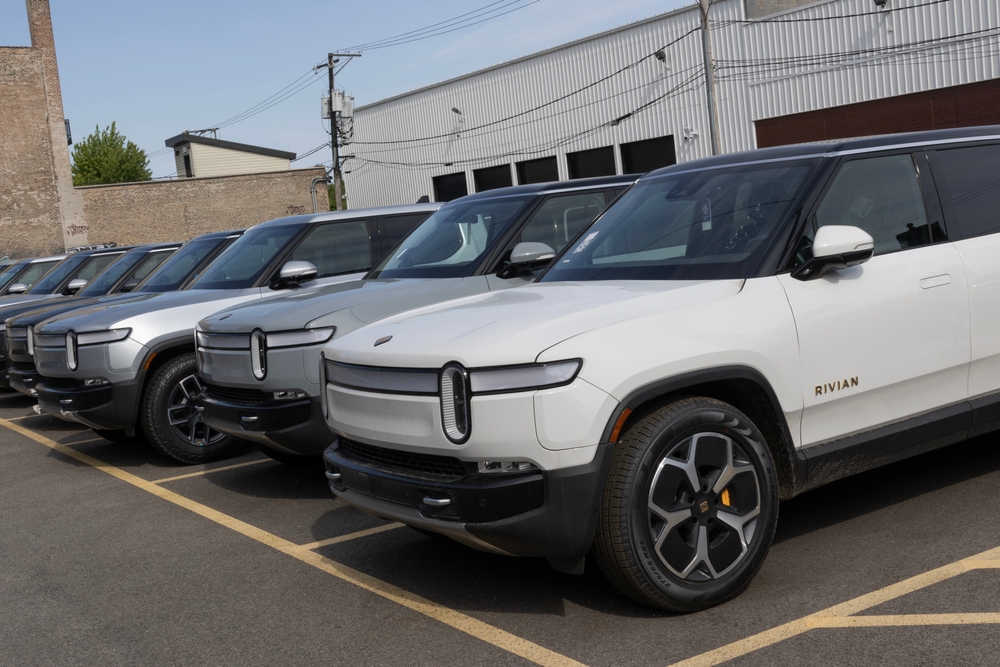

Rivian is pushing beyond simply building electric vehicles to tackle one of the automotive industry’s toughest challenges: making the manufacturing process itself carbon-neutral. While most automakers focus on reducing tailpipe emissions, the electric vehicle maker is addressing the carbon footprint of its factories and supply chain. Rivian became the first automaker to sign the United Nations 24/7 Carbon-free Energy Compact, signaling its commitment to powering operations with renewable energy around the clock rather than allowing emissions to shift from tailpipes to power plants.
The company’s approach goes well beyond standard industry practices. Rivian is working to ensure that vehicles leave its facilities with an initial charge from renewable sources and is building environmental stewardship directly into its business model from supply chain to final delivery.
This ambitious push is setting new expectations across the automotive sector. With production ramping up at its Illinois facility and plans for expansion, Rivian’s carbon-neutral manufacturing goals are forcing competitors to reconsider what sustainability means in vehicle production.
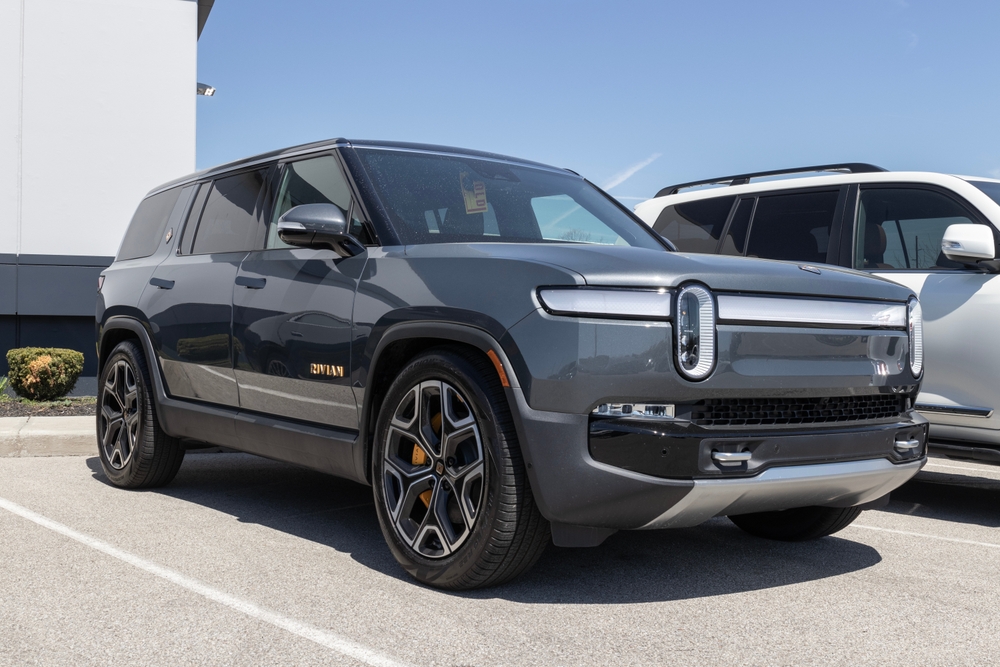
How Rivian Is Pursuing Carbon-Neutral Manufacturing
Rivian is tackling carbon emissions through a multi-pronged strategy that spans vehicle design, materials sourcing, and energy infrastructure. The company has already reduced the carbon footprint of its Gen 2 vehicles by 15% and continues pushing toward more ambitious targets.
Reducing the Carbon Footprint Across the R1T, R1S, and EDV
Rivian has committed to cutting the lifecycle carbon footprint of its vehicles in half by 2030. The company measures this through detailed carbon footprint analyses that track greenhouse gas emissions across the entire life cycle of each product, from raw materials to end-of-life.
In 2024, Rivian produced approximately 49,476 vehicles at its Illinois plant, a former Mitsubishi facility. The R1T pickup, R1S SUV, and EDV delivery van for Amazon all benefit from ongoing improvements in manufacturing processes and component sourcing.
CEO RJ Scaringe has also explored offering carbon credits as an optional package for buyers. This would allow customers to offset remaining emissions from their EVs through verified carbon offset programs.
Use of Recycled Materials and Supply Chain Innovation
The company is integrating recycled content throughout its supply chain to lower the environmental impact of production. Rivian’s approach emphasizes environmental stewardship from the earliest stages of vehicle development, making sustainability decisions before parts ever reach the assembly line.
The automaker is working to reduce embodied carbon in materials like steel, aluminum, and battery components. By sourcing recycled materials and partnering with suppliers committed to lower-carbon processes, Rivian aims to decrease the upfront carbon footprint that comes from mining and refining raw materials.
100% Renewable Energy and On-Site Clean Energy Projects
Rivian is purchasing enough renewable electricity to offset the charging network for its vehicles and power its manufacturing operations. The company has committed to transitioning its facilities to run on 100% renewable energy through a combination of renewable energy projects and renewable energy certificates (RECs).
The Illinois plant serves as a testbed for clean energy implementation. Rivian is also investing in a new manufacturing facility in Georgia that will be built with sustainability as a core design principle from the ground up.
These renewable energy initiatives extend beyond just powering the assembly lines. They include the entire manufacturing ecosystem, from paint shops to testing facilities.
Rivian’s Broader Impact and the New Bar for the Auto Industry
Rivian’s push toward carbon-neutral manufacturing extends beyond its own facilities, setting precedents that challenge how traditional automakers approach decarbonization and forcing the industry to reconsider what’s possible for an EV startup. The company’s commitments around vehicle carbon footprint reduction and renewable energy are reshaping expectations for both legacy manufacturers and emerging competitors.
Raising Industry Standards for Sustainability and Decarbonization
Rivian’s announcement that it plans to slash the carbon footprint of its next-generation vehicles by 50% has put pressure on competitors to make similar commitments. The company isn’t just focusing on tailpipe emissions but addressing the entire lifecycle impact of its electric pickups and commercial EVs.
Rivian’s clean energy deal with RWE represents more than a corporate power purchase agreement. It signals a shift in how automakers secure energy for manufacturing operations. The partnership provides a template for other EV startups and established manufacturers looking to meet sustainability goals without relying solely on grid power.
The company’s approach to environmental stewardship goes beyond typical industry practices. Every vehicle manufactured at the Normal, Illinois plant receives its first charge from 100% renewable energy produced onsite, demonstrating that carbon-conscious manufacturing can work at scale. This model challenges the assumption that high-volume production and clean energy are incompatible.
Expanding the Model: From the Illinois Plant to R2 and New Facilities
Rivian is applying lessons learned from its Illinois operations to its expansion plans. The Georgia manufacturing facility represents a $1 billion investment in sustainable mobility infrastructure and will create 7,500 new jobs through 2030.
The R2 platform marks Rivian’s transition from luxury adventure vehicles like the R1T pickup to mass-market offerings. This shift requires maintaining sustainability commitments while achieving cost reduction targets that make EVs accessible to more buyers.
The company’s Normal facility proved that onsite renewable energy generation works for electric pickup truck production. Scaling this model to Georgia while maintaining the same environmental standards will test whether Rivian can deliver on both sustainability goals and the volume required for profitability.
Financial Performance, Scaling Production, and Future Goals
As of March 19, 2026, Rivian Automotive faces its most significant crossroads as it moves from niche manufacturer to mass-market contender. The company’s ability to reduce cost per vehicle while maintaining its carbon commitments will determine whether its approach becomes industry standard or remains an outlier.
Vehicle deliveries and production scaling directly impact the company’s path to positive gross profit and adjusted EBITDA. Capital expenditure on facilities like the Georgia plant must balance manufacturing capacity with renewable energy infrastructure.
Rivian’s sustainability commitments aren’t separate from its business strategy—they’re integrated into how the company thinks about cost structure and scaling. The question facing RIVN isn’t whether it can build clean vehicles, but whether it can do so profitably at volumes that justify the investment and prove the model works for the broader automotive industry.
More from Steel Horse Rides:
- 13 Most Powerful Muscle Cars of All Time
- 13 Underrated JDM Cars That Deserve More Love
- 15 JDM Cars That Were Illegal in the U.S.
- 13 SUVs From the ’90s That Are Surprisingly Cool Today