
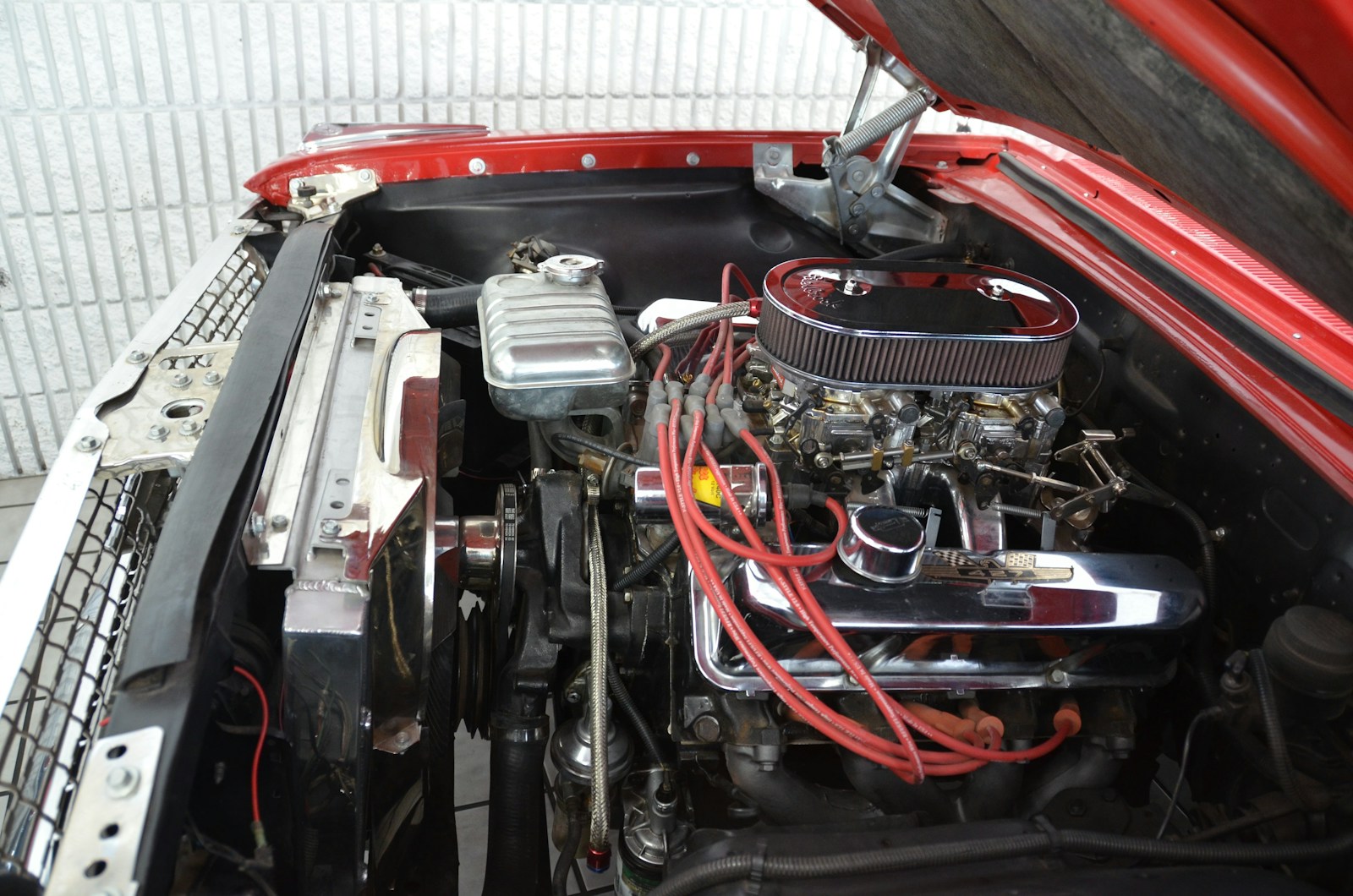

They’re chewing through more than trash — rodents are silently wrecking wiring, insulation, and upholstery across the country, and claims tied to those damages are climbing. If you carry comprehensive coverage, many rodent-related repairs can be claimed, but without it you’ll likely pay out of pocket.
You’ll want to know how insurers assess these claims, what counts as covered animal damage, and simple prevention steps that can save hundreds to thousands in repairs. The article that follows breaks down how this trend affects premiums, how to file a successful claim, and practical ways to keep critters out of your vehicle.
Rodent Damage and Its Impact on Vehicles and Insurance
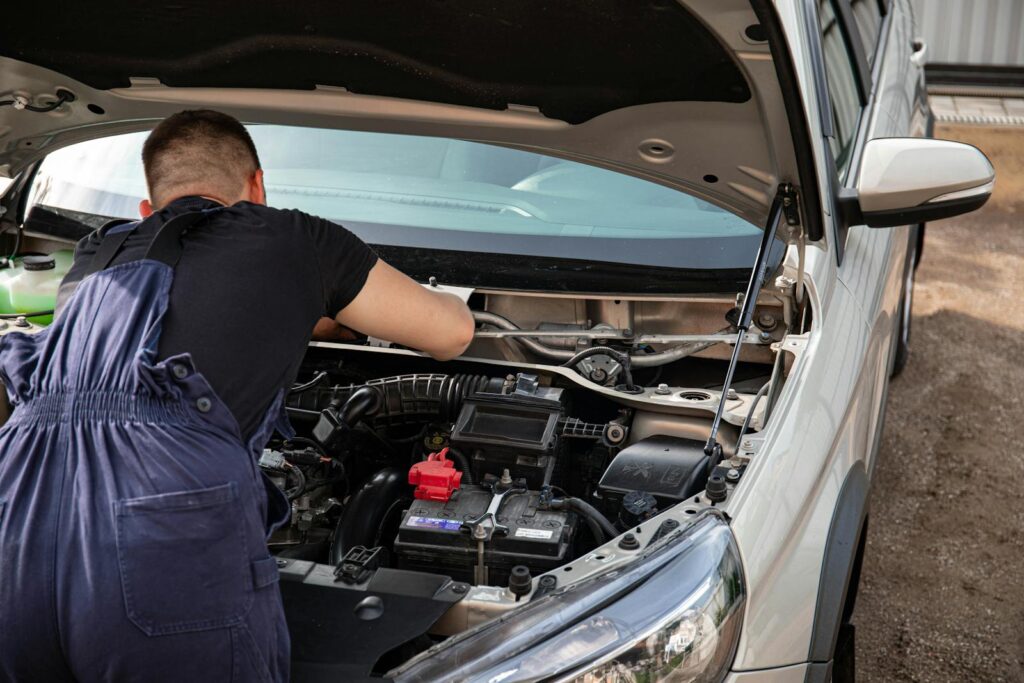
Rodent activity in and around parked vehicles creates visible mechanical harm and leads to higher repair bills and more insurance claims. Owners face chewed wiring, clogged air intakes, ruined upholstery, and insurers increasingly treat these as comprehensive losses when policies apply.
Why Rodents Target Vehicles
Rodents seek warmth, shelter, and nesting materials; an engine bay offers all three. Nights and cold weather increase visits because heat from recent driving makes the hood a reliable microclimate. Garages, outdoor covers, and vehicles left unused for days invite inspection and nesting.
They also respond to scent cues. Food wrappers, spilled pet food, and certain engine odors can attract rodents. Small openings—vent hoses, gaps around firewall seals, and loosened trim—provide easy access. Owners who park near vegetation, trash bins, or field edges face higher risk.
Practical defenses include removing food sources, closing exterior gaps, and storing cars in rodent-proofed garages. Evidence of prevention can matter when filing a rodent damage claim.
Types of Car Damage Caused by Rodents
Rodents chew through rubber hoses, plastic conduits, insulation, and electrical wiring. Damaged wiring can cause engine misfires, sensor errors, starting failures, or short circuits that disable airbags or radios. Replacing a wiring harness or ECM can run into thousands of dollars.
They also build nests in air intake boxes or HVAC ducts, which causes clogged filters, reduced airflow, foul odors, and mold growth. Chewed fuel or vacuum lines create leaks and stalling. Interior damage—gnawed upholstery, seatbelts, or carpeting—adds to repair totals and claim complexity.
Documenting chewed parts, nest material, and rodent droppings with photos and a mechanic’s report helps substantiate a comprehensive claim.
How Soy-Based Wiring Insulation Attracts Rodents
Many modern manufacturers use soy-based or other vegetable-derived compounds in wire insulation to reduce petrochemical use. Those materials contain protein and scent components that some rodents find palatable. Insulation that smells or tastes like food becomes a target for gnawing.
Chewing through soy-based insulation often appears as clean bite marks and exposed copper. Replacing those wires is labor-intensive because technicians must trace damaged runs, test circuits, and swap harnesses or sections with OEM parts. Aftermarket repairs sometimes fail to restore factory performance.
Vehicle owners with repeated incidents should check manufacturer technical bulletins and recalls, since some automakers have issued guidance or part-design changes when soy-based insulation led to widespread failures.
Rising Trend in Insurance Claims for Rodent Damage
Insurers report an uptick in rodent-related claims, driven by warmer winters, urban rodent populations, and wider use of susceptible materials. Comprehensive coverage normally applies because damage stems from non-collision events, but coverage depends on policy terms and deductible choices.
Insurers evaluate whether the owner took “reasonable precautions.” Records of pest control, garage storage, or prevention steps can influence claim outcomes. Frequent small claims may raise premiums or lead insurers to exclude certain causes in renewals.
Drivers should compare policies and ask insurers about specifics of coverage for chewed wiring and animal intrusion. Some carriers publish guidance on filing a rodent damage claim and evidence they require; others offer endorsements or higher limits for comprehensive events.
Insurance Coverage and Steps to Prevent Rodent Damage
Comprehensive car insurance typically covers animal-related damage, but policy language, deductibles, and maintenance history determine outcomes. Drivers should document damage, weigh repair costs against their deductible, and use specific deterrents and storage habits to reduce risk.
Does Car Insurance Cover Rodent Damage
Most insurers treat rodent chewing, nesting, and related engine damage as non-collision animal damage under comprehensive coverage. That means if a mouse chews wiring or a squirrel nests in the engine bay, comprehensive car insurance may pay for repairs minus the deductible.
Liability-only policies do not cover these losses. Insurers may deny claims that appear caused by long-term neglect or wear and tear, such as gradual corrosion or failures from untreated infestations. Policyholders should read their declarations and exclusions to confirm coverage limits and whether glass, electrical or mechanical components have sub-limits.
For more detail on typical insurer guidance, see the GEICO overview on rodent damage and coverage.
How Comprehensive Coverage Works
Comprehensive coverage pays for direct physical loss from non-driving events, including animal strikes and chewing. When filing a claim, the insurer evaluates whether damage is sudden and accidental versus progressive wear; the former usually qualifies.
Deductible applies: if repair estimates fall below the deductible, the owner pays out of pocket. Some carriers may require documentation proving the event was not maintenance-related. Coverage limits, claim frequency, and the policyholder’s claims history can affect future premiums or claim acceptance.
Drivers should check their policy for specific language about animal damage and any sub-limits on electrical or mechanical repairs.
How to File a Claim for Rodent Damage
Document everything immediately: take clear photos of chewed wires, nests, droppings, and the vehicle identification number. Get a written repair estimate from a certified mechanic that lists parts, labor, and cause-of-damage findings.
Contact the insurer via their preferred channel (phone, app, or online portal) and submit photos plus the estimate. Be prepared to describe when and where the vehicle was parked, how long it sat unused, and any prior signs of rodents. If the insurer requests an inspection, arrange it promptly; delays can complicate the claim.
If repair cost is below the deductible, consider paying directly to avoid a claim on record.
Proven Ways to Prevent Rodent Damage
Park inside a sealed garage whenever possible and keep the area free of food and trash. Small changes—removing bird seed, storing pet food elsewhere, and sealing gaps in the garage—reduce attractants.
Use deterrents: peppermint oil-soaked rags, commercial rodent repellents, and ultrasonic devices can help, though effectiveness varies. Install rodent-proof wire looms and protective tubing around critical wiring to limit chewing damage. Regularly start and run the car for 15–20 minutes if it sits unused; this disturbs nesting and reduces attraction.
Inspect under the hood weekly for nests, droppings, and fresh chew marks, especially after long parking periods. Combining storage, deterrents, and mechanical protections gives the best chance to prevent costly claims.
More from Steel Horse Rides: