
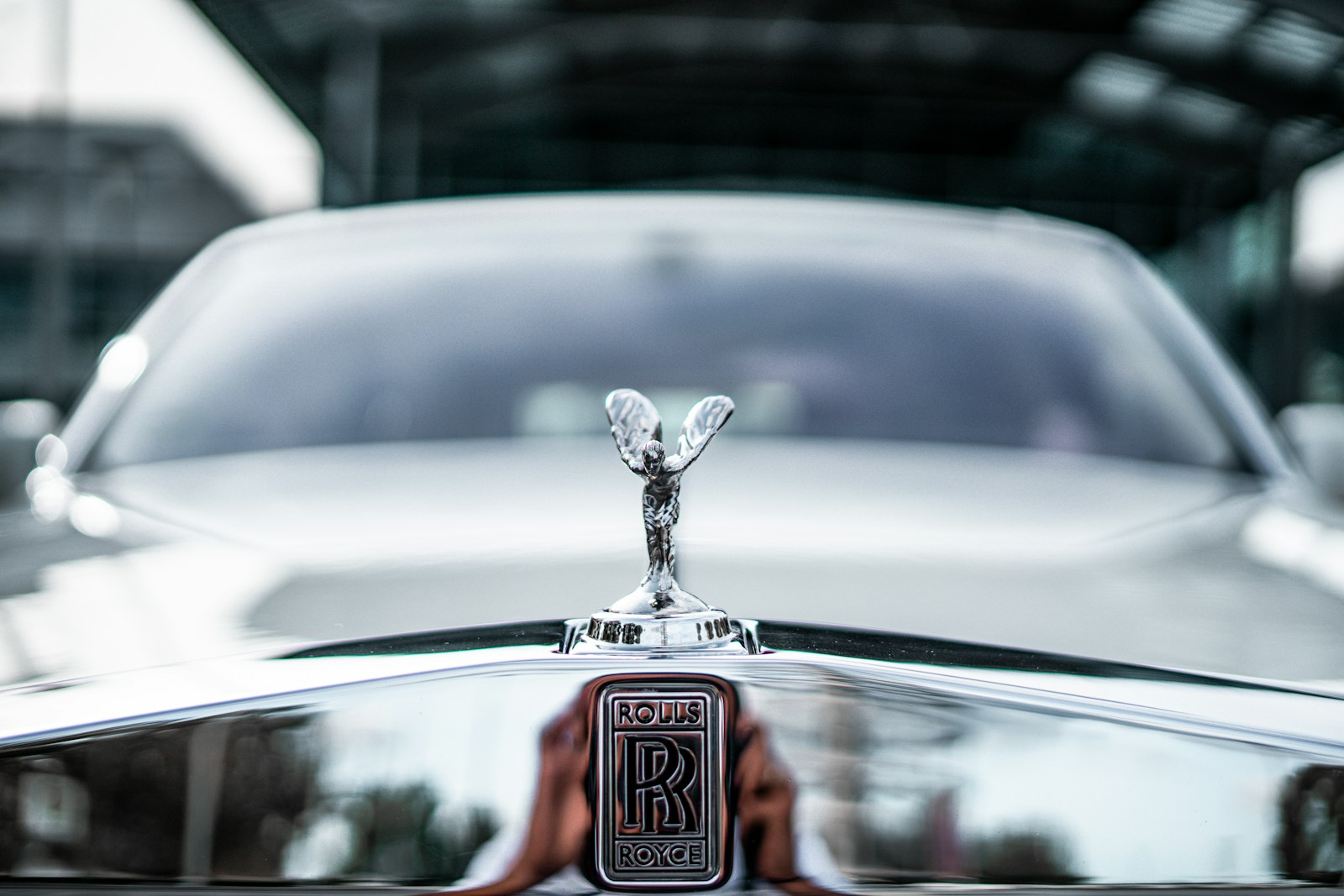

Rolls-Royce spent years telling the world it would be an electric-only brand by the end of the decade. That pledge has quietly been shelved. The company that builds the Phantom, Ghost, Cullinan and the electric Spectre now says its 6.75-liter twin-turbo V12 will keep rolling off the line well past 2030, even as rivals from Bentley to Mercedes-Maybach either race toward battery power or, in some cases, walk back their own EV promises. For a brand whose buyers rarely ask the price before they ask for options, the reversal says less about engineering and more about what its wealthiest customers are actually willing to drive home.
A Firm Target That Turned Out to Be Negotiable
The original commitment was specific: Rolls-Royce said it would stop building combustion-engined cars entirely by 2030. That target has now been dropped in favor of keeping V12 production alive alongside the Spectre, according to reporting from The Times that quotes current CEO Chris Brownridge directly. “For every client that loves an electric vehicle there is one who does not,” Brownridge told the paper, adding that “the legislation has changed” and that the all-electric prediction “was based on a different set of circumstances.” He was blunter about the engine itself: “We recognise some clients would rather have a V12 engine. The V12 is part of our history.”

The Commitment Runs Deeper Than One Executive’s Comment
This isn’t just a CEO softening his tone in an interview. Parent company BMW has backed the pledge with engineering resources of its own. BMW’s technical leadership has confirmed that the group will continue producing its six-, eight-, and twelve-cylinder engines to keep them compliant with tightening emissions rules, rather than simply running out the current design until regulators force a shutdown. Separately, citing Automotive News, one outlet reported that the recently facelifted Cullinan SUV will keep its familiar V12 with no immediate plans to phase the engine out, even as BMW itself discontinued V12 use in its own mainstream 7 Series lineup back in January 2022. In other words, Rolls-Royce is now the only outlet left inside the BMW Group still building the engine at all.
The Spectre Hasn’t Replaced Anything
The timing matters because Rolls-Royce already has an electric flagship on sale. The Spectre launched for 2024 as the brand’s first series-production EV and the one model meant to prove combustion could be phased out without alienating buyers. Independent reporting on the reversal notes that the Spectre remains the brand’s only model not powered by a V12, with the Phantom, Ghost and Cullinan all continuing to rely on the twin-turbo engine. Rolls-Royce delivered 5,664 cars globally last year, a volume so small that the company can read individual model preferences almost order by order — and what those orders keep showing is a clientele still reaching for the V12-powered Cullinan and Ghost over the brand’s own electric halo car.
What Almost Every Other Automaker Set Aside
The V12 itself is a dying engine architecture everywhere else in the industry. BMW cut it from the 7 Series years ago. Mercedes-Benz has retired its own V12 from the S-Class and Maybach lineups. Aston Martin, Ferrari and Lamborghini have each downsized or hybridized their flagship engines rather than keep a pure twelve-cylinder in production. Rolls-Royce’s decision to keep building one anyway is not a company betting against electrification broadly — it still sells the Spectre, and will likely add more electric models eventually. It’s a much narrower bet: that at the very top of the price ladder, where a Cullinan starts north of $400,000 and buyers are choosing an engine note as much as a mode of transport, the V12 still does something a battery pack can’t yet replicate for the people writing the checks. Rolls-Royce isn’t rejecting the electric future. It’s just decided its own customers get to decide when that future actually arrives.