


He wasn’t doing anything heroic. Just a weekday merge in a compact sedan that had always felt a little underpowered but dependable in the way cheap appliances are dependable—loud, a bit buzzy, and always ready when you hit the button.
That morning, he’d already done the whole routine: coffee in the cup holder, phone on the mount, seatbelt click, and a mental note to stop ignoring the faint shudder the car sometimes did when rolling away from a stop. The on-ramp near his apartment was short and curved, the kind where you either commit or you get punished by a line of people doing 70 like it’s personal.
He committed. He pressed the pedal, listened for the familiar CVT “rubber band” swell, and watched the tachometer climb. Then it jumped—fast—right up to 5,500 RPM, like the engine had suddenly decided to sprint, except the car didn’t.
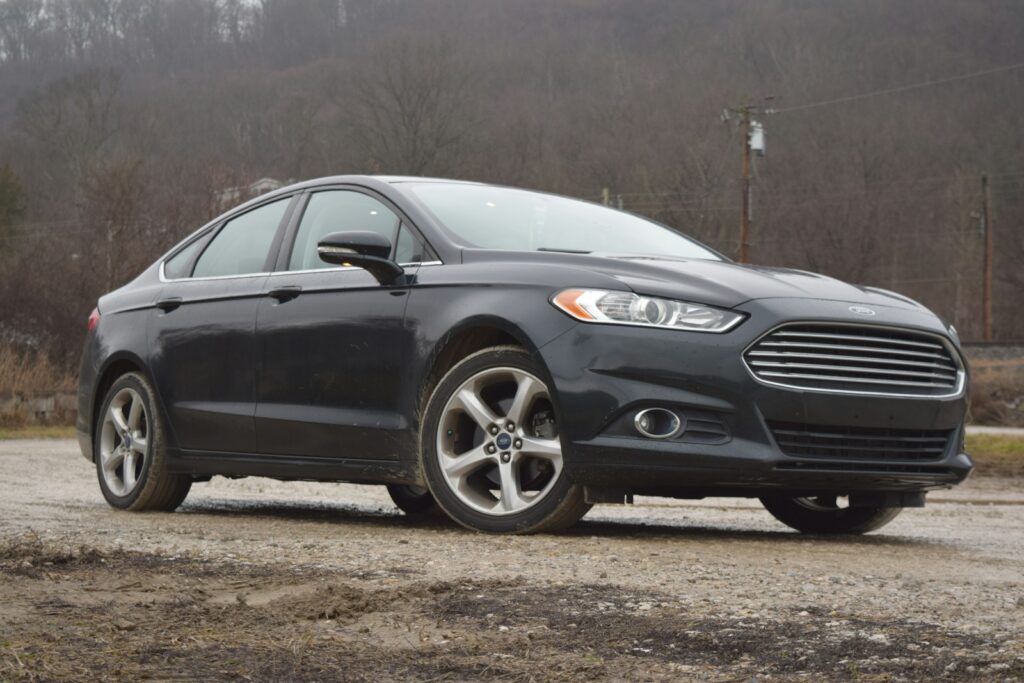
The merge that turned into a slow-motion problem
At first he did what most people do when a car feels weird: he assumed it was him. Maybe he hadn’t given it enough throttle, maybe the air conditioning kicked on, maybe the road surface was slick.
So he pushed harder. The engine noise got sharper and angrier, the needle stayed pinned around 5,500, and the sedan kept accelerating like it was dragging a mattress behind it.
In the side mirror, he saw a lifted pickup coming up the right lane, steady and fast, not changing its speed to accommodate whatever was happening on the ramp. He glanced at the end of the merge lane and had that awful realization that he was running out of road while the car was running out of “go.”
He didn’t have the luxury of diagnosing anything. He aimed for a gap, turned the wheel, and the sedan sort of… oozed into the lane with the engine screaming like it was doing a quarter-mile pass.
The sound didn’t match the speed
Once he was on the highway, he tried to settle it down. He eased off the throttle to let the CVT “catch up,” expecting that familiar drop in RPM as the transmission found a taller ratio.
It didn’t. The tach hovered high even with a lighter foot, and the car’s speed crept upward in reluctant increments, like it was thinking about accelerating instead of doing it.
He checked for warning lights. Nothing obvious. No flashing “transmission” icon, no Christmas tree on the dash, just the normal cluster and that one needle telling him a story his actual forward motion wasn’t backing up.
For a moment he wondered if he was imagining it—until a minivan in the next lane started passing him while his engine sounded like it was in second gear at redline. The disconnect between noise and speed was so wrong it made his stomach tighten.
Parking lot triage and the first ugly clue
He took the next exit and coasted into a gas station like someone sneaking a sick pet into a vet’s office. In the lot, he put it in park, then drive, then reverse, half-expecting it to lurch or stall or do something obvious.
Instead, it engaged with a delayed, mushy feel—like there was a second of nothing before the car decided to move. When it did roll, it felt like the drivetrain was slipping, not in a dramatic tire-spinning way, but in a soft, internal way that made him picture belts and pulleys and heat.
He popped the hood out of habit, even though he wasn’t really a “hood up” person. Everything looked normal in the engine bay, which somehow made it worse.
He called a friend who was more car-literate and described it in the simplest terms: “It revs to the moon and barely moves.” The friend didn’t hesitate—told him to stop driving it and get it towed before it turned into a very expensive paperweight.
The tow truck ride and the uncomfortable conversation
Waiting for the tow, he sat in the car with the key off and felt the embarrassment creep in. Not embarrassment about breaking down—everyone breaks down—but the particular shame of having a modern car with a transmission that behaved like it was made of wet soap.
When the tow truck showed up, the driver didn’t need a long explanation. He listened, nodded, and said he’d hauled a few “same symptoms” cars recently.
That comment stuck. “Same symptoms” made it sound less like bad luck and more like a pattern.
The shop he chose wasn’t a dealership; it was the kind of independent place where the office smells like burnt coffee and tires, and the counter is stacked with invoices in crooked piles. The owner asked questions that were almost too calm: how many miles, how often fluid had been serviced, whether it had ever done a little shudder on takeoff.
When the sedan owner admitted it had been shuddering occasionally, the owner made a face that wasn’t judgmental so much as tired. Like he’d seen the movie before and already knew the part where the audience groans.
The diagnosis: lost pulley pressure, belt slipping free
The shop didn’t tear into it immediately. They did the cautious stuff first: scan for codes, check fluid condition, road test just enough to confirm the complaint without cooking anything further.
On the brief test drive, the tech brought it back with the same look people get when a device fails in a way that feels insulting. “It’s revving, but it’s not transferring power,” he said, like he was explaining a magic trick with a bad payoff.
Then came the phrase that made it all click in the ugliest way: the CVT had lost drive pulley pressure. Without that hydraulic pressure clamping the drive pulley halves together, the belt couldn’t stay gripped the way it was supposed to.
So instead of the transmission “holding” a ratio, the belt was slipping—literally slipping free under load. The engine could spin, the tach could spike, the sound could get louder and louder, and the car would still crawl because the torque wasn’t making it through the belt and pulleys the way it should.
The shop owner explained it in practical terms, not textbook terms. Something in the hydraulic system—valve body issues, a failing pump, internal wear—wasn’t maintaining pressure. The belt wasn’t necessarily snapped, but every slip was heat, and heat was a fast track to the CVT eating itself from the inside.
Money, blame, and the problem that doesn’t feel “random”
Once the technical part was on the table, the emotional part arrived right behind it. The sedan owner had bought the car used not that long ago, trusting the clean interior and the “no issues” vibe of the seller.
The paperwork showed vague maintenance history. The transmission fluid had either never been serviced or had been serviced in a way that left no record, and the owner couldn’t prove which was worse.
He called the seller anyway, not with a plan, just with that raw need to ask, “Did you know?” The conversation didn’t explode into a screaming match, but it had that brittle politeness where every sentence is a little accusation wearing a sweater.
The seller insisted the car had been fine, mentioned that “CVTs just sound weird,” and leaned on the idea that used cars are sold as-is. The sedan owner didn’t have a clean rebuttal because the seller wasn’t exactly wrong—just infuriatingly convenient.
Back at the shop, the repair options were the kind that make your shoulders drop. A rebuild wasn’t recommended because parts availability and quality were a gamble. A replacement CVT unit was expensive enough to make him do the math on the spot: what the car was worth running versus what it would be worth after sinking a transmission into it.
And hovering over all of it was the fact that the failure didn’t feel like a dramatic “it broke, then it died.” It felt like it had been whispering for months with that little shudder, the occasional delayed engagement, the tiny moments he’d brushed off because life is busy and the car still moved.
He left the shop without making a decision that day, because every option tasted bad. Repair it and gamble that the rest of the car wouldn’t start nickel-and-diming him, or dump it and eat the loss, or try to fight a seller who could shrug and point to the signature on the bill of sale. The most unsettling part wasn’t even the cost—it was remembering that on-ramp, that brief moment of being committed to a merge while the tach screamed at 5,500 RPM and the car just… didn’t. That kind of failure doesn’t end when the tow truck arrives; it follows you into the next drive, the next on-ramp, the next time your engine gets loud and your brain immediately wonders if you’re actually moving or just making noise.
More from Steel Horse Rides: