
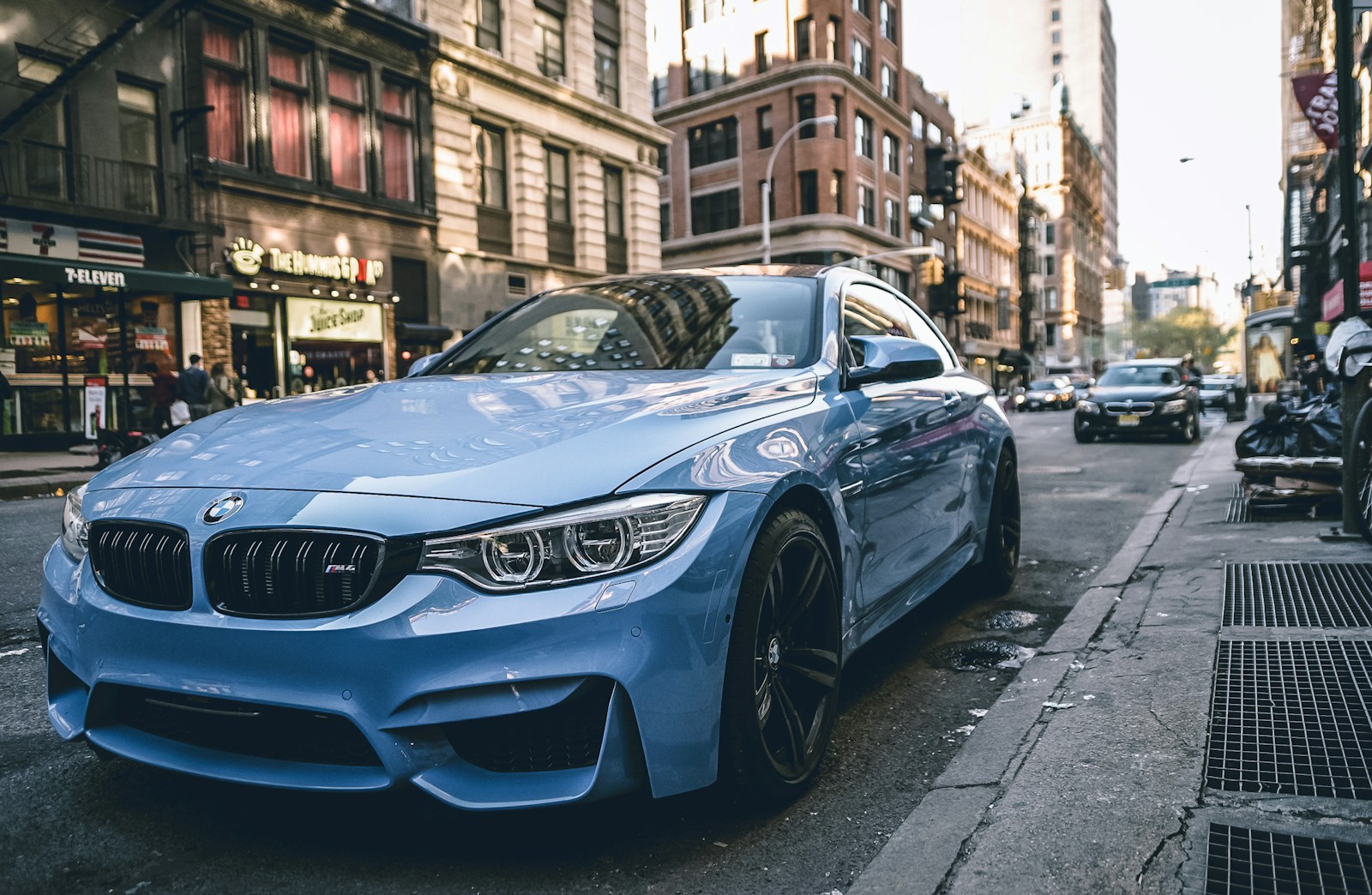

The heated seat elements, the extra electric motor, or the more powerful inverter needed for a quicker 0-to-60 time are frequently already sitting inside a car the day it leaves the factory, fully wired and functional. What separates a buyer from actually using them is not a mechanic’s visit or a parts order, but a software flag the automaker controls remotely, one that stays switched off until the owner pays extra to turn it on. Several major automakers have built exactly this model into showroom cars in recent years, with very different results once customers noticed.
BMW’s Heated Seat Subscription
The most widely cited example is BMW, which in 2022 began offering heated front seats as a recurring paid feature on certain models that already had the heating elements built into the seats at the factory. According to the pricing that circulated at the time and is now recorded in BMW’s own corporate history, the company charged owners $18 a month to activate heated seats they had already paid to have physically installed, alongside similar subscription options for features like heated steering wheels and adaptive high beams. The backlash was immediate and international, and BMW removed the subscription option for heated seats in 2023, restoring the feature to something owners could simply use once they bought the car. The episode is now the standard reference point whenever the industry debates whether hardware already inside a car should ever require an ongoing fee to operate.
Key Points
- BMW charged $18 a month in 2022 to unlock heated seats that were already physically installed in the car, then dropped the subscription in 2023 after public criticism.
- Mercedes-Benz currently sells an “Acceleration Increase” digital upgrade that unlocks faster 0-to-60 mph performance on its electric models using the motor and inverter hardware already in the car.
- Mercedes’ own product page states that digital upgrades like this must be activated within a set window after the car’s initial registration or purchase, after which they expire with no refund.
- Because these upgrades are tied to the vehicle’s registration rather than sold as a transferable part, a new owner who buys the car used typically cannot simply inherit a previous owner’s unlocked performance level without purchasing it again.

Mercedes-Benz’s Acceleration Increase
Mercedes-Benz takes a similar approach with performance rather than comfort. The automaker’s own US consumer site currently lists an “Acceleration Increase” feature under its “Digital Extras” lineup, describing it as a way to “boost the performance of your all-electric Mercedes-Benz even further, giving you a faster 0-to-60 MPH time” and directing customers to the Mercedes-Benz Store to purchase it. The upgrade works by unlocking additional output from the electric motor and power electronics that are already built into the car at the factory; nothing physical changes when a customer buys it. Mercedes’ own terms note that digital extras like this “must be activated within 1 year of initial registration or purchase to avoid automatic expiration,” and that “no refunds or credits will be provided for expired services”, meaning a buyer who waits too long simply loses the option entirely, regardless of how much unused hardware capability remains sitting in the car.
What Happens When You Cancel or Sell the Car
The resale question is where this model differs most sharply from a normal factory option. A leather interior or a moonroof adds resale value because the physical part stays with the car forever. A software-gated feature is tied to an account, a registration, or an activation window rather than to the metal itself, so the value it might otherwise add to a used sale is far less certain. A buyer shopping for a used EQS cannot assume that a “faster 0-to-60” spec sheet still applies to the specific car in the driveway unless the digital extra was purchased and remains active on that vehicle’s own record; if it was never activated, or if its window has lapsed, the car’s underlying hardware is unchanged but the performance the original buyer paid for is not automatically available to whoever owns it next. BMW’s decision to walk back its own heated seat subscription after public criticism suggests automakers are still testing how far customers will tolerate this model, but Mercedes’ continued sale of a performance unlock built the same way shows the underlying strategy, charging separately for hardware capability that shipped in the car from day one, is far from abandoned industry-wide.