

It happens every spring. Somebody buys a boat, a camper or a little utility trailer, and the next stop is a shop or a parts counter to get a hitch bolted onto the family SUV. The hitch goes on in an afternoon, the ball goes on the end, and the trailer gets hooked up. Everything looks fine. The trouble is that none of that tells you whether the vehicle can safely pull what is now sitting behind it.
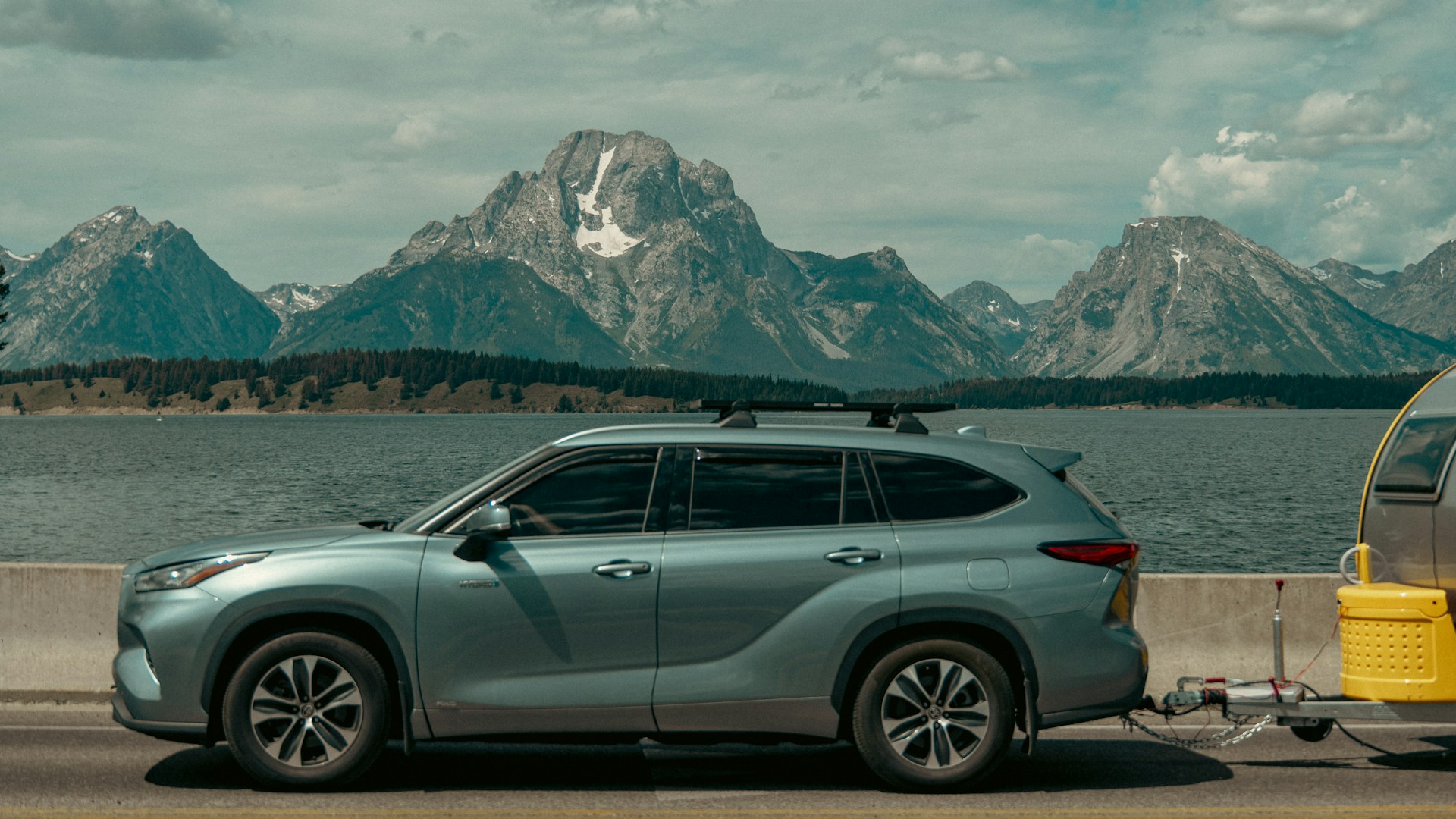
Here is the part that surprises people: the label on the hitch and the number your vehicle is rated to tow are two different things. Mixing them up is one of the most expensive and most dangerous mistakes a new trailer owner can make.
Hitch Class Is Not Tow Rating
Hitches are sorted into classes, and each class describes what that hitch itself is built to handle. A heavier class means a sturdier piece of steel and a bigger receiver opening. It is a rating for the hitch, not for your SUV.
The tow rating, on the other hand, comes from the vehicle maker. It reflects the whole machine: the frame or body structure, the engine, the transmission, the cooling system, the brakes, the axles and the suspension. Engineers test and set that number based on how all of those parts work together, and it is the number that matters.
Think of it like a chain. The hitch, the ball, the ball mount, the trailer and the vehicle are all links, and the whole setup is only as strong as its weakest link. You could bolt on the burliest hitch in the shop, and if your SUV is rated to pull less than that hitch could handle, your limit is still the SUV’s rating. A strong hitch does not turn a light-duty vehicle into a heavy hauler.
Where To Find The Real Number
Start with your owner’s manual. The towing section tells you what your specific vehicle, with its specific engine and equipment, is rated to pull. Ratings can differ between versions of the very same model, depending on engine, drivetrain and whether it came with a factory towing package. A neighbor with the same-looking SUV might have a different number than you do.
Keep in mind that some vehicles are not rated to tow at all. If the manual says so, the matter is settled, no matter what any hitch shop says it can install. It is worth asking at the counter, but trust the manual over a sales pitch.
The federal vehicle safety agency, NHTSA, keeps safety information and recall lookups at nhtsa.gov, which is worth a visit any time you are putting a vehicle to new use. If your manual and the shop disagree, call the dealer or the manufacturer and get the answer in writing.
What Goes Wrong When You Guess
A vehicle asked to pull more than it was built for does not usually fail all at once. It struggles, and the struggle shows up in expensive places.
- Brakes. Stopping a heavy trailer takes much more work than stopping the SUV alone. Overloaded brakes can overheat and fade, and that is exactly when you need them most.
- Transmission. Heavy loads make a transmission work harder and run hotter, which can wear it out early. Transmission repairs are among the costliest a car owner can face.
- Cooling and engine. Pulling a heavy load up a long grade on a hot day can overheat an engine that was never meant for the job.
- Handling. A trailer that is too heavy for the tow vehicle can push it around, sway in wind or from passing trucks, and make emergency stops far longer.
It is not only the pulling weight that matters. The tongue weight, which is the downward pressure the trailer puts on the hitch, counts against your SUV’s cargo capacity too. Add the passengers, the coolers and the gear in the back, and you can reach the vehicle’s limit sooner than you think. Too little tongue weight can make a trailer sway, and too much can overload the rear of the vehicle and lighten the steering. Your manual and the trailer maker explain the proper range for your setup.
Do This Before You Hook Up
- Look up the tow rating for your exact vehicle in the owner’s manual.
- Find the loaded weight of the trailer, not the empty weight. Water, fuel, gear and the stuff you pack all add up.
- Make sure the hitch, ball and ball mount are each rated for the load, and that the vehicle’s own rating is the one you stay under.
- Ask whether the trailer needs its own brakes and what wiring your vehicle needs for lights and brake signals.
- Use safety chains and check the hitch pin and coupler every time you hook up.
- If you are close to the limit, have the loaded rig weighed at a public scale. Guessing is how people end up in trouble.
Leave Yourself A Cushion
Even when your trailer fits within the rating on paper, experienced haulers do not pull right at the limit. Hills, wind, summer heat, a full passenger load and a trailer packed a bit heavier than planned all push the numbers in the wrong direction. A rig that stays comfortably under the rating is easier to control, easier on the vehicle, and much less stressful to drive.
If the math says your SUV is not up to the trailer you want, there are honest ways out. Choose a lighter trailer. Rent a bigger vehicle for the trip. Or trade for a vehicle that is rated for the job. Any of those costs less than a wrecked transmission, and far less than an accident.
It comes down to this. A hitch lets you attach a trailer. Only the vehicle maker’s rating tells you whether you should. Check the manual first, buy the trailer second, and enjoy the trip knowing the whole rig is working within what it was built to do.
More Stories You May Like
- Classic Car Hunter Chases Down a Rare 1969 Mustang 428 Super Cobra Jet With a $50,000 Asking Price, Then Sees What Kind of Shape It Is Really In
- Barn Find 1977 Ford F250 Sat Untouched For Thirty Five Years With Only Seventeen Thousand Miles And The Detailer Says The Dirt Is The Thickest He Has Ever Seen
- Buyer Says Toyota Camrys and Priuses Are Almost Always the Smart Answer Because They Hold Their Value and Keep Running Well Past One Hundred Fifty Thousand Miles