
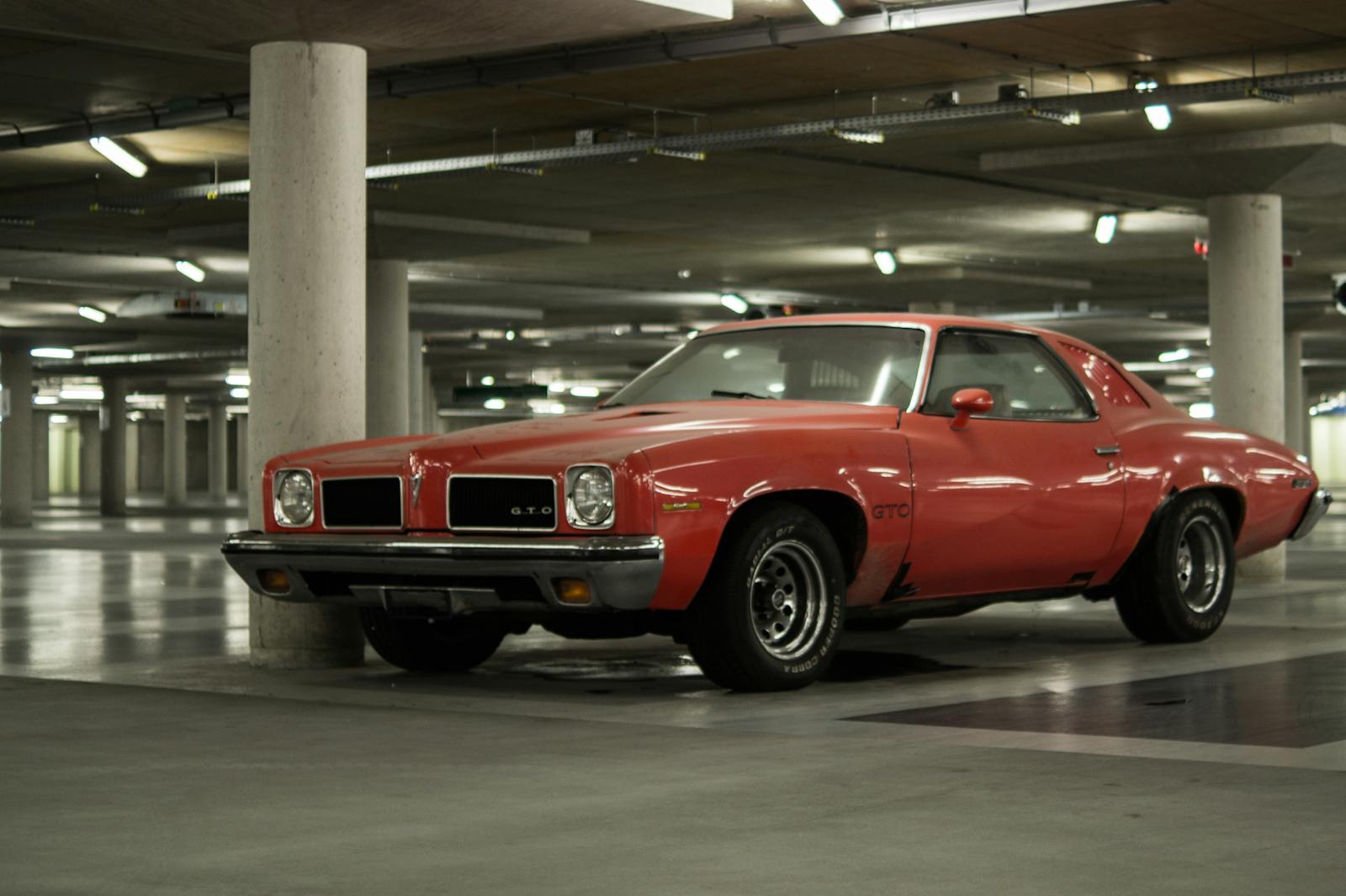

Performance cars have traditionally announced themselves with bold styling, aggressive body kits, and exhaust notes that wake the neighborhood. But a different breed of fast car is capturing the attention of enthusiasts who prefer to fly under the radar. Sleeper cars—vehicles that hide serious performance beneath ordinary, unassuming exteriors—are experiencing a resurgence as drivers rediscover the appeal of understated speed.
The concept isn’t new. Decades ago, cars like the 1987 Buick GNX defined the sleeper category by stuffing a turbocharged V6 into a plain coupe that could outrun exotics costing three times as much. That same philosophy is finding fresh relevance today as technology enables automakers to pack more power into everyday-looking vehicles without the typical visual giveaways.
What’s driving this renewed interest goes beyond nostalgia. The automotive landscape has shifted in ways that make sleepers more accessible and more potent than ever before, with electric powertrains and advanced engineering creating opportunities for hidden performance that would have been impossible in earlier eras.
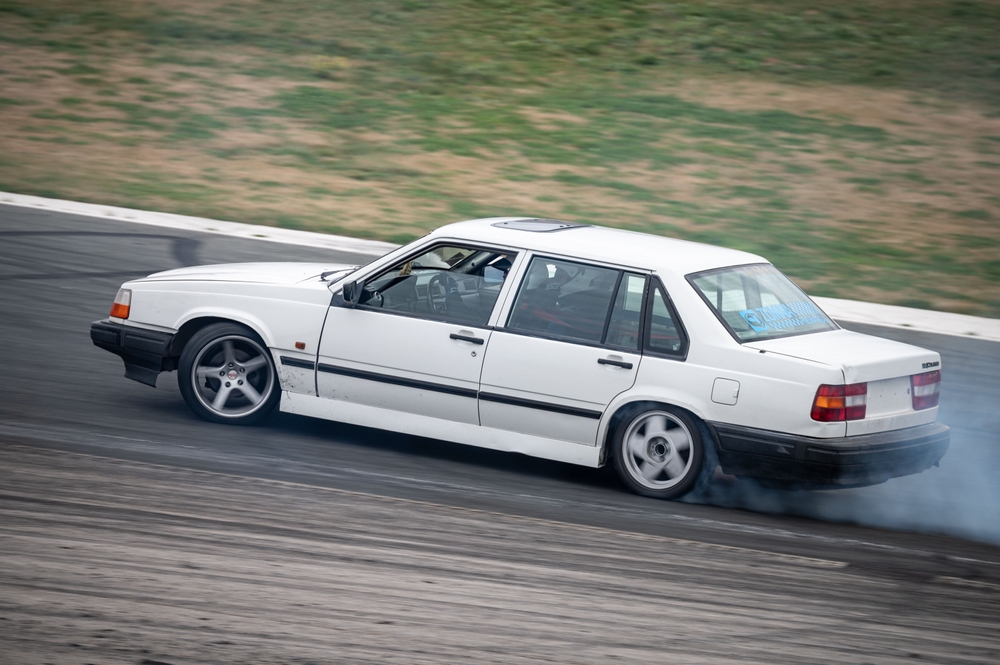
What Makes a Sleeper Car Desirable?
The appeal of sleeper cars centers on their ability to deliver serious performance while flying completely under the radar. They blend raw power with everyday usability, creating vehicles that can embarrass sports cars at a stoplight and then haul groceries without drawing unwanted attention.
Hidden High Performance Under the Hood
The core of any sleeper car’s secret world lies in its powertrain. These vehicles pack turbocharged engines, high-output motors, or upgraded drivetrains that deliver acceleration numbers rivaling purpose-built performance machines.
The 1987 Buick GNX exemplified this approach with its turbocharged 3.8-liter V6. While officially rated at 276 horsepower, it launched from 0 to 60 mph in just 4.6 seconds, making it one of the quickest production cars of its era. Modern electric vehicles have taken this concept further, with the Tesla Model 3 Performance reaching 60 mph in 2.9 seconds despite looking nearly identical to standard models.
Performance modifications often remain invisible to casual observers. Engine tuning, upgraded turbos, and enhanced cooling systems hide beneath stock-looking body panels. The lack of aggressive styling cues means these cars avoid the attention that typically follows modified vehicles.
Understated Looks and Everyday Practicality
Sleeper cars maintain their appeal through deliberately mundane exteriors. They skip the large spoilers, hood scoops, and flashy graphics that announce performance intentions. The 1995 Volvo 850 T-5R looked like every other boxy wagon in parking lots, yet its turbocharged five-cylinder could hit 60 mph in under seven seconds.
This disguise extends to body styles that prioritize utility. Wagons, sedans, and even SUVs serve as platforms for hidden performance builds. The vehicles retain rear seats, trunk space, and comfortable interiors that make them viable daily drivers.
Enthusiasts appreciate cars that don’t compromise on comfort or convenience. They can transport families, handle grocery runs, and navigate city traffic without the stiff suspension or loud exhausts that make dedicated sports cars impractical.
Surprise Factor and Enthusiast Appeal
The element of surprise defines much of the sleeper car experience. Drivers of flashy sports cars rarely expect a family sedan to keep pace or pull ahead. That psychological advantage appeals to enthusiasts who enjoy proving that performance doesn’t require aggressive styling.
Electric vehicles have become the ultimate modern sleepers by delivering instant torque with zero drama. Their silent acceleration catches other drivers completely off guard, especially since even base-model EVs feel surprisingly quick in everyday driving. One enthusiast noted their standard EV feels faster than anything else on the road except actual sports cars or other EVs.
The private satisfaction of knowing what a car can do matters more to sleeper enthusiasts than external validation. They value substance over style and enjoy the contrast between appearance and capability.
Why Sleeper Cars Are Making a Comeback
Electric vehicles have fundamentally changed what’s possible in an ordinary-looking car, while a new generation of enthusiasts is gravitating toward performance that doesn’t announce itself with aggressive styling and loud exhausts.
Modern Examples That Are Turning Heads
The electric vehicle revolution has created a new breed of sleepers that would have seemed impossible just a decade ago. The 2024 Tesla Model 3 Performance looks nearly identical to the base model but rockets from 0 to 60 mph in 2.9 seconds, matching supercars that cost three times as much.
Even more extreme is the Lucid Air Sapphire, a luxury sedan that produces 1,234 horsepower and hits 60 mph in 1.89 seconds. In its standard form, the Lucid Air appears as nothing more than an elegant electric sedan. The instant torque delivery and silent operation mean these cars shock unsuspecting drivers at every stoplight.
Traditional automakers haven’t abandoned the concept either. The Cadillac CT5-V Blackwing packs a supercharged V8 into a relatively understated sedan body. BMW continues its tradition with the M5, hiding turbocharged inline-six and V8 engines in executive sedans. These factory sleepers come with hidden performance straight from the manufacturer, requiring no modifications to embarrass flashier sports cars.
Automotive Trends Fueling Renewed Interest
The shift toward crossovers and SUVs has made actual performance sedans and wagons rarer, which paradoxically makes them more appealing to enthusiasts. When everyone drives a tall, aggressive-looking crossover, a low-slung sedan with serious power becomes the ultimate under-the-radar choice.
Social media has amplified the appeal of sleeper builds. Enthusiasts share videos of their unassuming cars destroying expectations at drag strips and on mountain roads. The reactions from bystanders who can’t believe what they just witnessed have become viral content. This visibility has introduced younger buyers to the sleeper concept.
Electric powertrains have democratized the sleeper effect beyond high-end models. Even base-level EVs like the Kia EV6 and Ford Mustang Mach-E deliver surprisingly quick acceleration in everyday driving. Their quiet, effortless power delivery catches drivers of traditional sports cars off guard regularly. The technology has made shocking performance accessible in practical, family-friendly packages that blend into traffic completely.
More from Steel Horse Rides: