
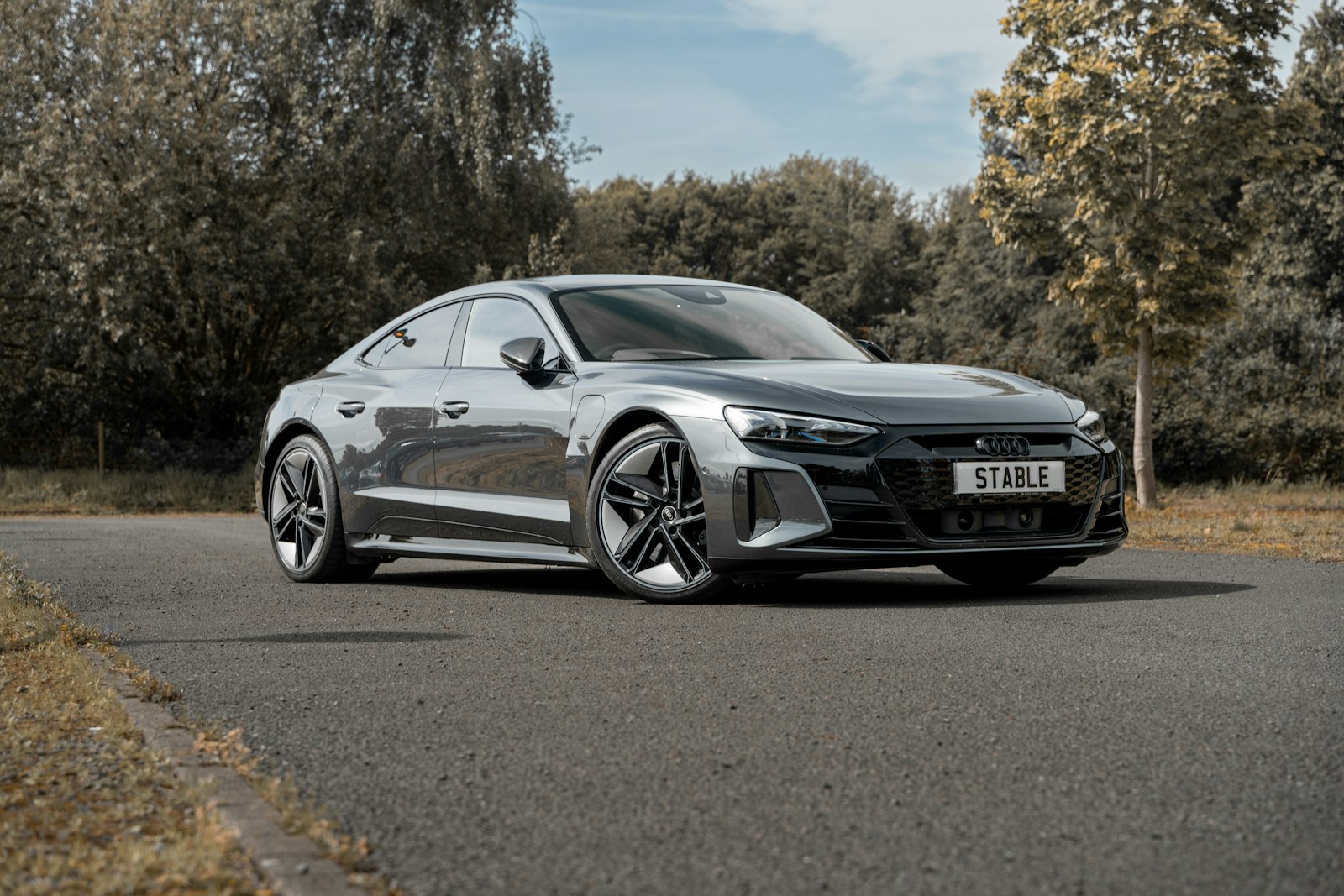

Audi is now paying some electric vehicle lessees as much as $10,000 in cash if they buy out their lease and keep the car instead of turning it back in. The automaker’s finance arm rolled the program out nationally through a dealer bulletin dated September 1, 2026, first reported by CarsDirect.
Key Points
- The program is called the Audi BEV Lessee Buyout Option Incentive and applies to current lessees who purchase their leased electric vehicle at term end
- Incentive amounts vary by model: up to $10,000 on the e-tron GT, $5,000 on the Q4 e-tron (up from $3,000 offered as recently as July 2026), and $4,000 on the Q8 e-tron
- Participating dealers also receive a $500 facilitation payment for each customer who takes the buyout
- The offer is available nationwide, not limited to specific regions or states

Automakers and their captive finance arms typically want leased vehicles back at term end so they can resell them, either at auction or as certified pre-owned inventory, recovering the difference between the car’s contracted residual value and what it’s actually worth on the used market. Paying lessees thousands of dollars to keep the car instead flips that math: rather than absorbing a leased EV back onto their books, Audi Financial Services is effectively paying customers to make the depreciation someone else’s problem.
That math has gotten worse across the EV segment as used electric vehicle values have fallen faster than gas-powered cars, driven by rapid battery technology improvements, federal tax credit changes, and new EV competition that has pushed down resale prices industry-wide. When a leased EV comes back worth substantially less than the residual value written into the original lease contract, the finance company eats that loss the moment the car returns to the lot. A cash incentive that’s smaller than the projected loss on resale can still work out cheaper for Audi than taking the car back.
What This Means for Lessees
- Eligible lessees can potentially pocket the incentive on top of buying a vehicle they already know the condition and history of, avoiding excess-wear-and-mileage charges that come with a standard lease return
- The buyout still requires financing or paying the vehicle’s contracted purchase price, known as the residual value, so the cash incentive reduces the net cost rather than making the buyout free
- Terms and eligible models can change without notice, since dealer bulletins like this one are typically issued for limited windows rather than as permanent programs
Audi is not alone in adjusting its EV lease-end strategy as the industry works through swelling inventories of off-lease electric vehicles. The size and structure of the buyout incentive, tiered by model and revised upward within a two-month span, suggests Audi is actively recalibrating the offer as it watches how many lessees take the deal. Owners approaching lease-end on an Audi EV should ask their dealer directly whether their specific vehicle qualifies, since the amounts are set at the model level and can differ from the figures dealers were quoting earlier in the summer.