
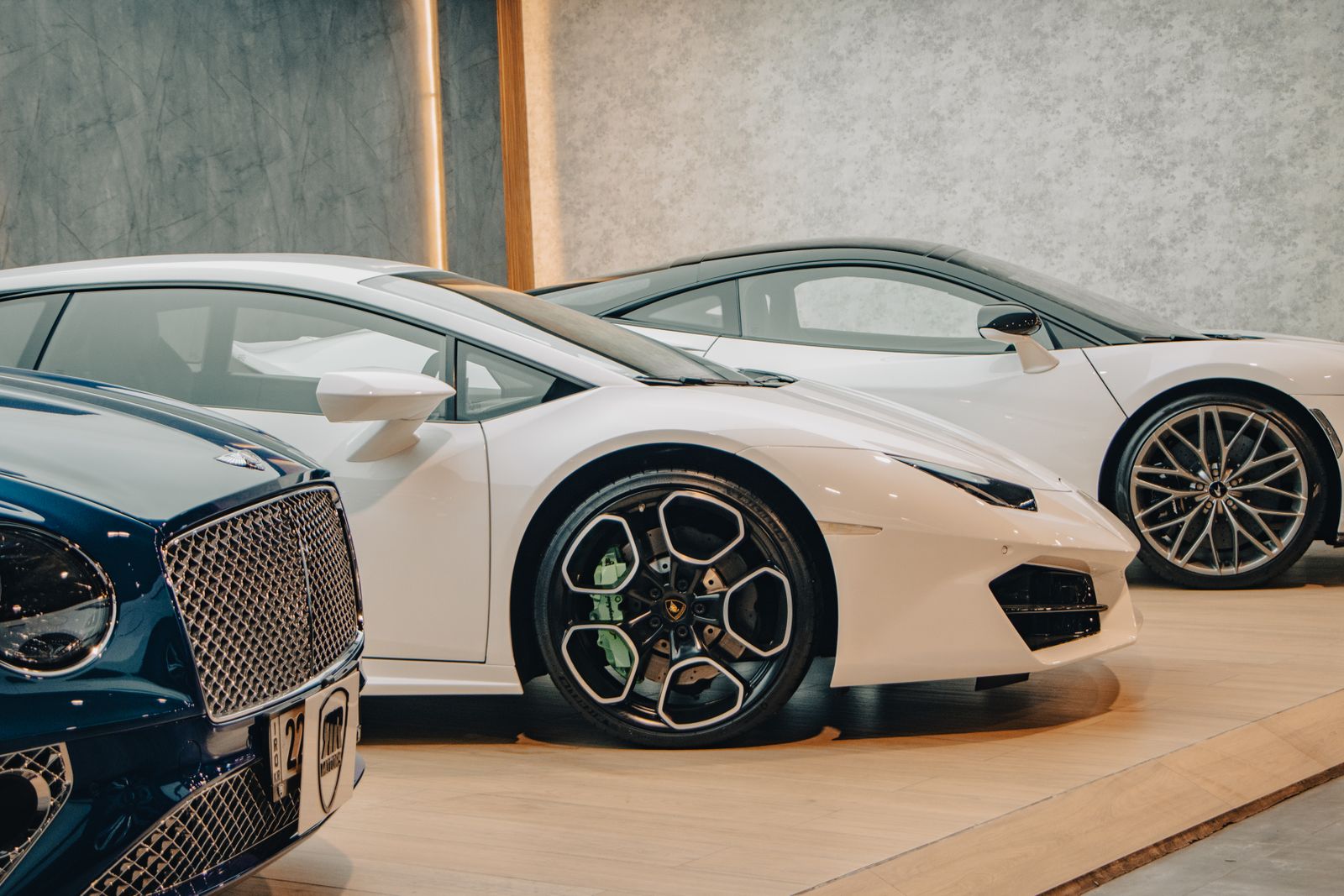

The Dodge Viper went from auto-show concept to showroom floor in barely three years, and the fifth-generation Camaro’s 2010 production body preserved the exact wheelbase-and-proportion formula its 2006 concept introduced. Most concept cars get neither ending. According to the encyclopedic record of how concept programs actually work, the majority “never go into production directly” because they still have to survive changes for practicality, safety regulation, and cost before anything resembling the show car can legally reach a customer’s driveway. Some automakers have built a real habit of clearing that bar. Most treat the concept as the destination itself.
Dodge: Concept to Curb in Three Years
The Viper is the fastest-turnaround case in modern American car history. It debuted as a concept at the January 1989 North American International Auto Show, and the reaction was strong enough that Chrysler greenlit “Team Viper” the following month, with an engineering prototype fully sorted by February 1990, according to the documented development timeline. After a turn as the pace car at the 1991 Indianapolis 500, the production Dodge Viper RT/10 went on sale in January 1992 — concept to customer in three years, with the car’s core identity, a massive V10 in a stripped-down roadster body, essentially unchanged from what stood on the show stand.
Chevrolet: The Concept Was Basically the Blueprint
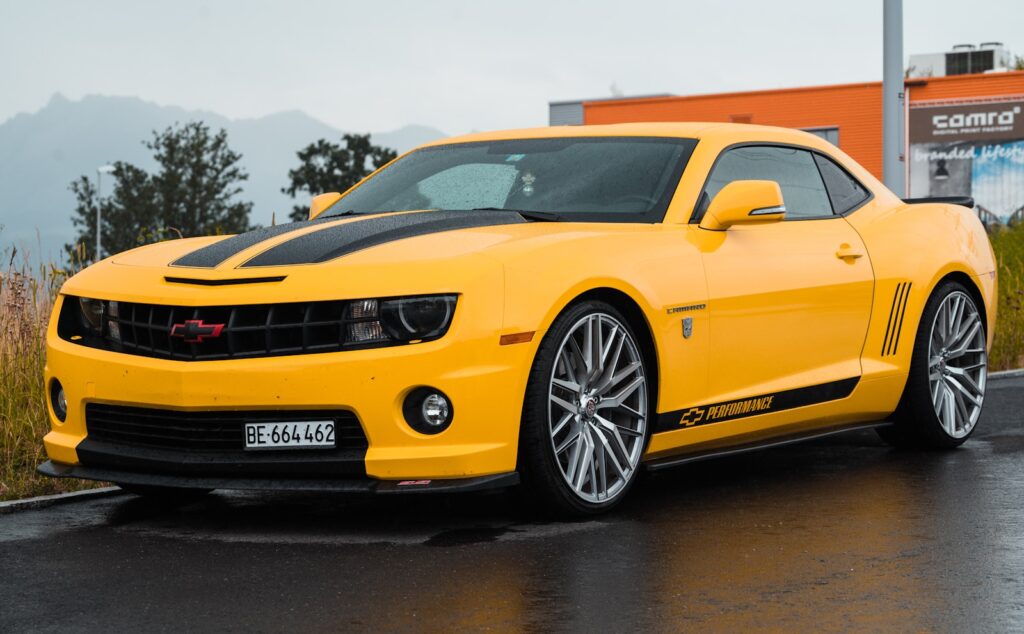
General Motors ran a slower but arguably more disciplined version of the same playbook with the fifth-generation Camaro. The concept debuted at the 2006 Detroit auto show running a 400-horsepower LS2 V8 on a 110.5-inch wheelbase, nine inches longer than the outgoing car’s, while the body itself measured seven inches shorter overall. When the production Camaro went on sale for the 2010 model year, that same wheelbase-forward, shorter-overall proportion carried straight through — the production car wasn’t a reinterpretation of the concept so much as an engineering-compliant execution of it, built and sold roughly three years after the concept’s reveal.
Ford: Close Enough to Count, Not Close Enough to Copy Exactly
Ford’s GT shows the version of this pattern where an automaker commits to production without treating the concept as a literal blueprint. The GT40 Concept debuted at the 2002 Detroit auto show, and Ford began delivering the production Ford GT in the fall of 2004, according to the car’s documented development history. The production body grew in every dimension that mattered for crash structure and cooling — four inches taller and noticeably wider than the concept — and a trademark dispute even blocked Ford from using the “GT40” name once the car reached showrooms. The silhouette and mid-engine layout carried through intact, but the specifics changed enough to prove that “we’re building this” and “we’re building exactly this” are two different promises, and Ford only ever made the first one.
Tesla: Building the Concept, Not a Version of It
Tesla took the strategy further with the Cybertruck by essentially refusing to soften the concept at all. The truck was unveiled in its now-famous angular, unpainted stainless-steel form in November 2019, and when production started in 2023, the silhouette, the flat panels, and the exposed metal body were still there — a design decision most automakers would have sanded down for pedestrian-safety rules, manufacturing tolerances, or simple market caution. Whatever a buyer thinks of the result, Tesla is one of the only automakers that has shown almost zero of the usual concept-to-production softening most reveals go through.
Where the Pattern Breaks: Everyone Else
The reason Viper, Camaro, and Cybertruck stories get told and retold is that they’re the exception. The far larger category is the auto-show car that exists purely to gauge reaction or show off a styling language, with no production intent behind it at all — Wikipedia’s own entry on the concept-car format describes exactly this purpose, noting shows are used “to gauge customer reaction to new and radical designs” and to demonstrate technology the automaker has no near-term plan to sell. Radical materials, unconventional layouts, and impractical proportions routinely get built as one-off, non-drivable showpieces specifically because nobody intends to engineer them into something road-legal. For every Viper or Cybertruck, dozens of equally striking concepts return to a warehouse after their auto-show run and are never spoken of again outside of enthusiast retrospectives.
What separates the automakers who actually build their concepts from the ones who don’t isn’t ambition — nearly every concept car reveal comes with confident language about “previewing the future.” It’s whether the concept was engineered with production tooling and safety compliance in mind from the start, the way Dodge and Chevrolet clearly did, or built purely as a design statement with no path to an assembly line ever considered, which describes the overwhelming majority of what rolls across an auto-show floor. The show stand doesn’t tell you which one you’re looking at. The engineering brief nobody in the crowd ever sees does.