
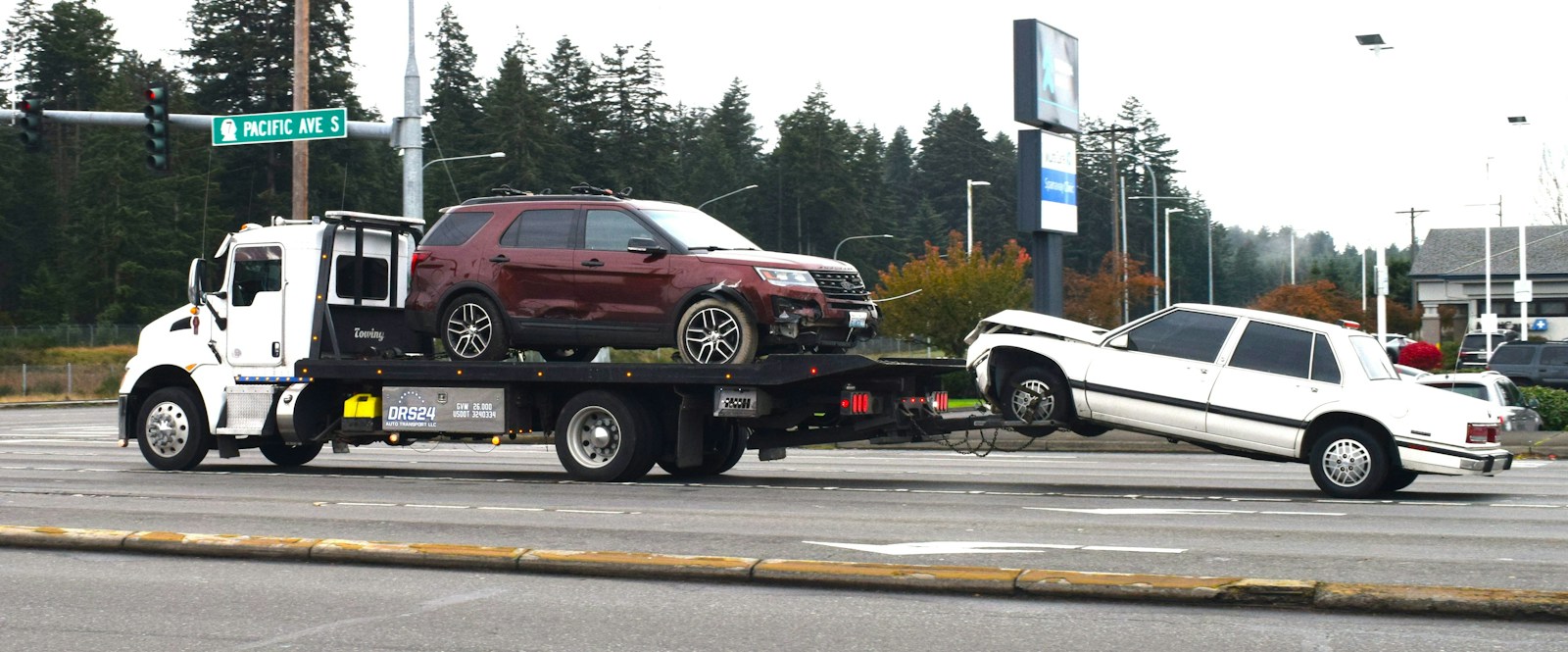

Federal regulators say some auto lenders have been repossessing cars from borrowers who did everything right, including drivers who had already paid off their loan in full or had an approved deferral in place when the tow truck showed up. The Consumer Financial Protection Bureau published supervisory findings in October 2024 detailing repossessions carried out despite timely payments, after loan modifications or extensions had been granted, and in some cases without a valid recorded lien on the vehicle at all, according to the CFPB. The findings land against a backdrop of rising repossession volume nationwide and a separate congressional inquiry now digging into why.

How a Paid-Off Car Still Gets Towed
The CFPB’s examinations found the breakdowns typically trace back to servicing errors rather than a single bad actor: incorrectly coded account records, poor communication between loan servicers and the third-party repossession agents they contract with, and unreliable balance statements that led borrowers to underpay without realizing it, sometimes triggering a repossession order that never should have gone out, according to a separate CFPB compliance bulletin issued in February 2022. That bulletin also flagged servicers who held onto personal property found inside repossessed vehicles pending payment of extra fees, a practice regulators characterized as effectively extorting borrowers to get their own belongings back. “Auto loan servicers need to ensure that every repossession is lawful,” CFPB Director Rohit Chopra said when the bulletin was issued. The October 2024 findings describe the same pattern persisting two years later, layered on top of unauthorized add-on product charges, misapplied payments that prioritized fees over principal, and inaccurate credit reporting tied to the same accounts.
A Senate Committee Is Now Asking Lenders Directly
Auto repossessions have climbed to levels not seen since the 2008 financial crisis, and Senator Elizabeth Warren, the ranking member of the Senate Banking Committee, opened a formal inquiry into the industry in February 2026, sending letters to major lenders including Chase Auto, Capital One, Toyota Financial, GM Financial, and Ally, along with buy-here-pay-here servicers such as CarHop, DriveTime, and Byrider, according to the Senate Banking Committee. The letters specifically requested data on wrongful repossessions, the steps each company takes to confirm it’s seizing the correct vehicle, and how disputes over repossession legality get resolved internally. “Car repossession is a devastating disruption to someone’s life,” Warren said in announcing the inquiry, tying the timing directly to reduced CFPB oversight capacity under the current administration. Lenders were given until February 16, 2026, to respond.
The Breach-of-Peace Limit Lenders Are Supposed to Follow
Auto loan contracts generally allow a lender to repossess a vehicle without a court order once a borrower defaults, a legal mechanism known as self-help repossession under state adaptations of the Uniform Commercial Code. But that right has a hard boundary: a repossession agent cannot breach the peace to take the car. In practice, that means no forced entry into a locked garage, no physically confronting or restraining the vehicle’s owner, and no continuing to tow once an owner clearly objects in person. A repossession that crosses that line can expose the lender to liability regardless of whether the underlying default was real, which is part of why the CFPB’s findings emphasize accurate records and lien documentation as a first line of defense, not just a courtesy.
What a Driver Facing Repossession Should Do
Anyone who believes their vehicle was wrongfully repossessed, whether because the loan was current, a deferral was in place, or the lien itself was invalid, should request the full account history and payment ledger from the servicer in writing immediately, along with documentation of any modification or forbearance agreement that was supposedly ignored. Filing a complaint with the CFPB creates a federal record even when the agency doesn’t intervene directly in an individual case, and it’s worth doing regardless of whether the vehicle has already been recovered, because it’s the same complaint data regulators and congressional committees draw on when building the next enforcement action.
If the vehicle is still in the lender’s possession, time matters. Many states require lenders to provide written notice before selling a repossessed vehicle at auction, and that notice period is the practical window to demand the account records and get the mistake corrected before the car is gone for good rather than just wrongfully seized. Borrowers who catch the error before a sale are in a fundamentally stronger position than those trying to unwind it afterward, since a completed auction sale is far harder to reverse than a repossession order that hasn’t yet been executed on the resale side. Keeping payment confirmations, servicer correspondence, and any modification paperwork in one place from the start of a loan, rather than scrambling to reconstruct it after a tow truck has already come, is the difference between a fast correction and a drawn-out dispute.
With a Senate committee now collecting data straight from the country’s largest auto lenders, the paper trail borrowers keep on their own accounts may end up mattering well beyond their individual dispute.