


Christene Bosse found out someone had stolen her identity when her own insurance company called to tell her about a car she’d never owned. In April 2025, Progressive informed the Las Vegas woman that a 2004 Ford Expedition had been registered in her name — a salvaged SUV she’d never seen, bought and titled by two strangers who forged her signature on the paperwork. Within weeks that vehicle was involved in a serious multi-car crash. Bosse’s own legitimate vehicle registration got suspended by the Nevada DMV as a result, and she spent roughly $4,000 on alternate transportation over the following year while investigators sorted out a mess she had no part in creating. Her case is not an isolated glitch — it’s a specific, growing category of identity fraud that insurance investigators say is accelerating fast.
Insurance fraud tied to identity theft is climbing sharply
The National Insurance Crime Bureau, the nonprofit that investigates insurance fraud on behalf of insurers and law enforcement nationwide, projects a 49% rise in insurance fraud referrals linked to identity theft by the end of 2025, based on an analysis of claims data from 2022 through mid-2025. “Identity theft and the use of synthetic identities are the foundation for life insurance, medical-related fraud and cargo theft,” NICB President and CEO David J. Glawe said in the organization’s release. Nearly a quarter of the identity theft referrals NICB examined involved synthetic identities — fake identities built by blending real personal data with fabricated details, a method that makes fraud harder to trace back to a single stolen VIN or Social Security number. Vehicle-related identity fraud is part of that same pattern: NICB’s fraud-prevention guidance separately describes criminals using “stolen or altered information to obtain auto loans, lease vehicles, or purchase cars under a victim’s name,” then walking away without making a single payment.
The registration system has real gaps
What makes Bosse’s case notable is how ordinary the failure point was. Nevada DMV Compliance and Enforcement Chief J.D. Decker told local investigative reporters at KTNV, the ABC affiliate in Las Vegas, that “there are loopholes in which certain forms can be forged and submitted to add people to titles or registrations that aren’t legitimate.” Decker further acknowledged that the salvaged Expedition never should have been sold, registered or insured in the first place — but the paperwork went through anyway. The two people accused of forging Bosse’s signature and registering the vehicle in her name were criminally charged after the investigation, and Progressive said it “remains committed to assisting” Bosse, though the insurer declined to discuss the specifics of the fraudulent policy. In the meantime, Bosse — who did nothing wrong — was the one locked out of her own car for over a year.
What state DMVs tell victims to do
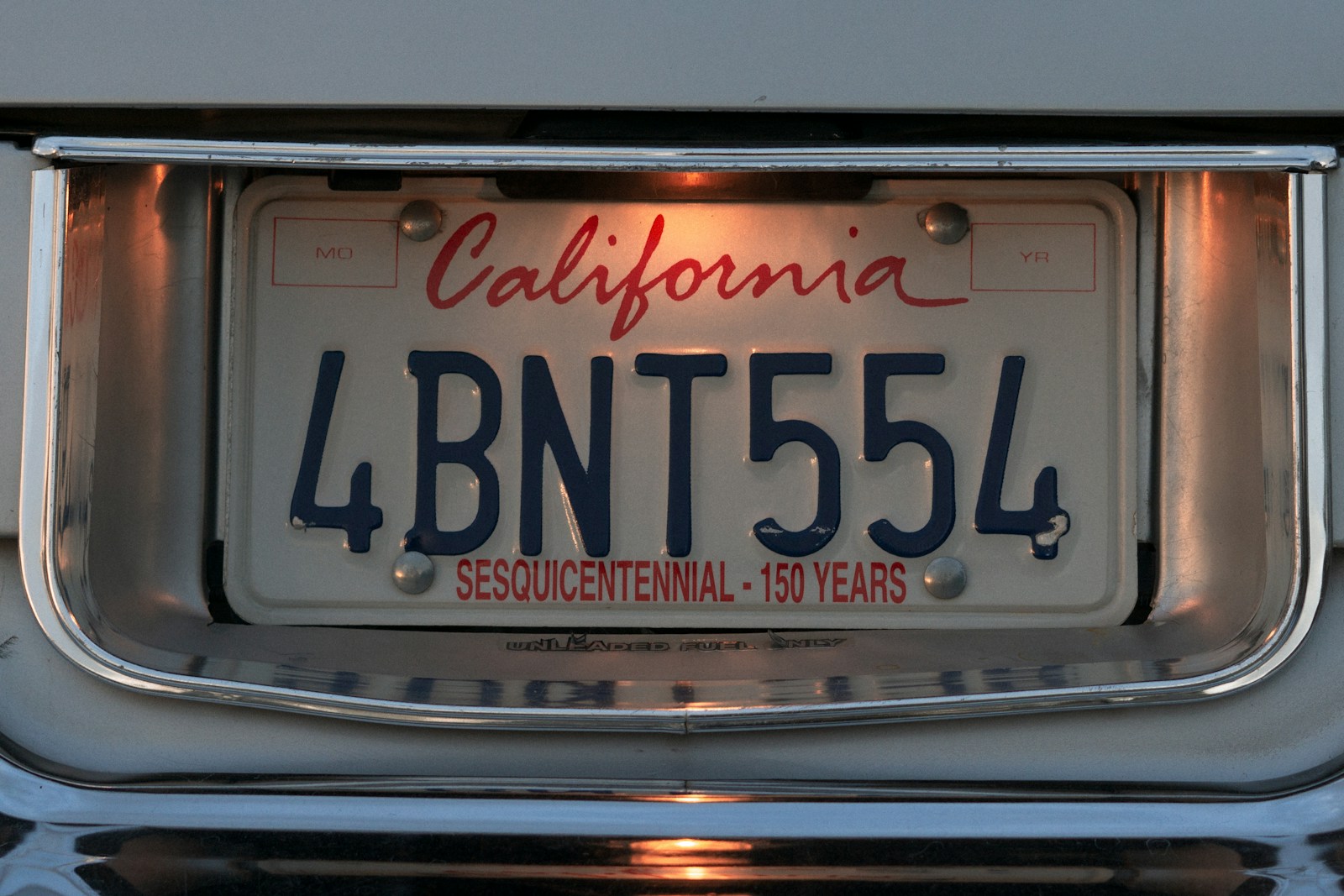
Because vehicle registration fraud runs through the same identity-verification systems as other forms of identity theft, state motor vehicle agencies fold it into their broader identity-theft response procedures rather than treating it as a separate crime category. California’s DMV, in its official identity-theft guidance for consumers, instructs victims to file a police report, then contact the DMV directly and “complete a statement describing the facts of the fraud” — a process outlined in the agency’s own Fast Facts identity theft bulletin. The same guidance notes that registered owners requesting a replacement title or plates must show a valid driver’s license or ID card, a safeguard meant to keep someone else from walking a forged form through the counter — the exact scenario Nevada’s Decker described as a loophole. Victims are also directed to notify credit bureaus and file a complaint with the Federal Trade Commission, since a fraudulently registered vehicle can trigger downstream problems with credit, insurance history and even law enforcement records tied to the impersonated owner’s name.
Why this is different from buying a stolen car
This isn’t the more commonly discussed VIN-cloning scheme, where a thief slaps a legitimate VIN from one car onto a different stolen vehicle to resell it, leaving an unsuspecting buyer holding a car that gets seized once the fraud surfaces. What happened to Bosse is the inverse: someone else’s paperwork, her name, and a vehicle she never touched — yet the bills, the suspended registration and the accident liability all landed on her.
- Insurance fraud tied to identity theft is projected to rise 49% by the end of 2025, per NICB.
- Nearly 25% of identity theft insurance referrals now involve synthetic identities, according to NICB’s data.
- Nevada’s DMV has publicly acknowledged forged forms can add a vehicle to someone’s name without their knowledge.
- California’s DMV requires photo ID for title or plate replacement specifically to close that gap.
A stolen VIN used against the real owner rather than for a thief’s own resale scheme is a quieter kind of fraud, and it can take a year or more of DMV paperwork to unwind. The safeguard that actually works, according to the agencies that handle these cases, is ordinary and unglamorous: watch for DMV or insurance correspondence about a vehicle that isn’t yours, and treat any unexplained registration notice as a reason to call the state DMV the same day.