
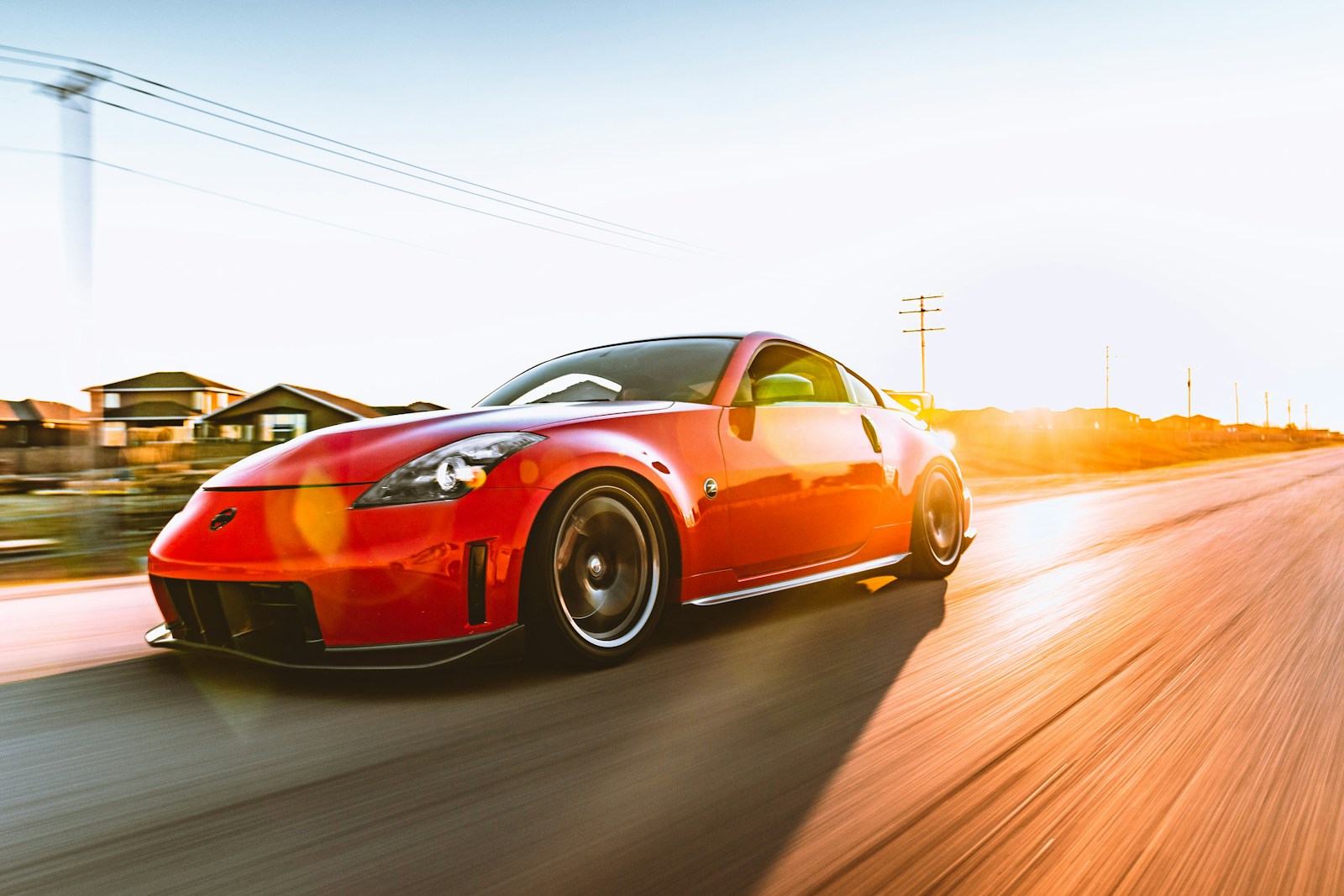

iSeeCars now tracks manual transmissions across its 2026 model-year database the way most sites track discontinued options — because that’s essentially what a third pedal has become. The site’s own manual transmission rankings confirm what any enthusiast shopping a new car already suspects: the stick shift has gone from “a dominant drivetrain feature across the automotive industry 100 years ago to a genuine rarity in today’s new car market,” in the site’s own words. What’s left is a short, specific list — and increasingly, buyers are treating a spot on it as a reason to pay more, not less, when the car goes up for resale.
What’s Actually Left to Buy With Three Pedals
Break iSeeCars’ 2026 category rankings down by segment and the surviving lineup is smaller than most shoppers expect. In sports cars, the top-scoring manual holdouts are the Mazda MX-5 Miata (an iSeeCars score of 8.7 out of 10, starting at $30,430), the Ford Mustang coupe (8.5, from $32,640), and the Subaru BRZ (8.2, from $35,860) — with the Mustang convertible, Toyota GR86, Chevrolet Camaro, Nissan Z, and Dodge Challenger rounding out the field. Move up to luxury sports cars and the list narrows further to true performance royalty: the Porsche 911 tops the category outright with a 9.2 score, followed by the BMW M3, BMW M4, and Porsche’s own 718 Cayman and Boxster twins.
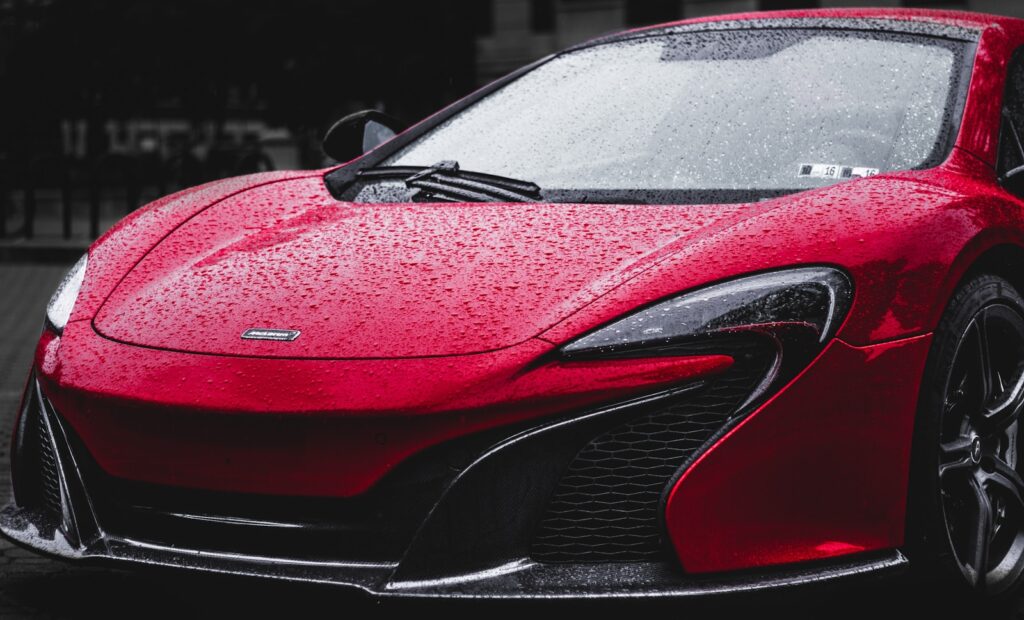
The Coupe and Convertible Categories Tell the Same Story
In iSeeCars’ coupe rankings, the Ford Mustang again leads with an 8.7 score, followed closely by the Honda Civic coupe (8.6) and the Subaru BRZ (8.6). What stands out isn’t just which cars made the list — it’s how many familiar nameplates didn’t. The Toyota Corolla, long a budget-friendly manual option, has dropped the transmission entirely, according to Kelley Blue Book’s own reporting on the segment. What’s left skews almost entirely toward cars people buy to drive, not cars people buy to commute in.
Resale Value Is Starting to Notice
The scarcity is showing up in how these cars hold their value, not just in how many are built. Kelley Blue Book’s own tracking shows new-car manual take rates climbing from just 0.9% of buyers in 2021 to 1.7% by 2023 — nearly doubling off a tiny base — while used manual sales at CarMax hit 2.9% of transactions in 2022, up from a 2020 low of 2.4%. KBB’s reporting found more than half of Acura Integra manual buyers fall between 18 and 46 years old, and a BMW-commissioned survey found two-thirds of 18-to-34-year-olds interested in learning to drive stick, compared with 40% of older respondents. Autotrader separately logged 13% more pageviews on manual-equipped listings in early 2023 than the same period a year earlier — a real-world signal that shopper interest, not just automaker charity, is keeping these cars on sale.
Why Automakers Keep a Handful Around
None of this reads like a business case for mass-market manuals returning to Corollas and Civic sedans. It reads like automakers have identified a small, vocal, disproportionately loyal buyer group willing to pay a premium — in attention if not always in sticker price — for the option, and decided the halo effect on performance nameplates is worth the tooling cost. A parent shopping for a first car for a teen driver has also become an unlikely ally: KBB notes some buyers specifically choose manuals for younger drivers because the transmission “require[s] the use of both hands, which may serve as a deterrent for texting while driving,” turning an old-school inconvenience into a modern safety pitch.
What This Means for Anyone Cross-Shopping in 2026
For a buyer choosing between a Mustang GT with three pedals and one with an automatic, or deciding whether a Porsche 911 is worth ordering with the manual gearbox instead of the PDK, the calculus has quietly shifted. These aren’t just enthusiast preferences anymore — they’re increasingly a hedge against depreciation on cars that were already going to hold value better than most. iSeeCars’ own category-by-category tracking suggests the list of manual-equipped new cars will keep shrinking, not grow, which means every model still on it becomes a little more distinctive with each passing model year.
That scarcity cuts both ways for anyone actually shopping. Fewer manual trims on dealer lots means less inventory to choose from and, often, a longer wait or a dealer markup for the specific configuration a buyer wants. But it also means a manual-equipped Miata, BRZ, or 911 bought today is buying into a shrinking club rather than a mainstream option — the same dynamic that has historically pushed enthusiast cars with rare configurations toward stronger long-term value retention than their automatic-only siblings.