


European cars are often associated with rich histories deeply rooted in their countries of origin. However, some models come with surprising backstories that defy typical expectations about design, manufacturing, or heritage. These cars reveal a blend of influences that challenge common assumptions about European automotive identity.
This article highlights European cars whose origins are notably unexpected, shedding light on diverse influences and unique circumstances behind their creation. Understanding these stories provides insight into the broader automotive landscape and the complexities of car production across Europe.
BMW’s beginnings as an aircraft engine manufacturer
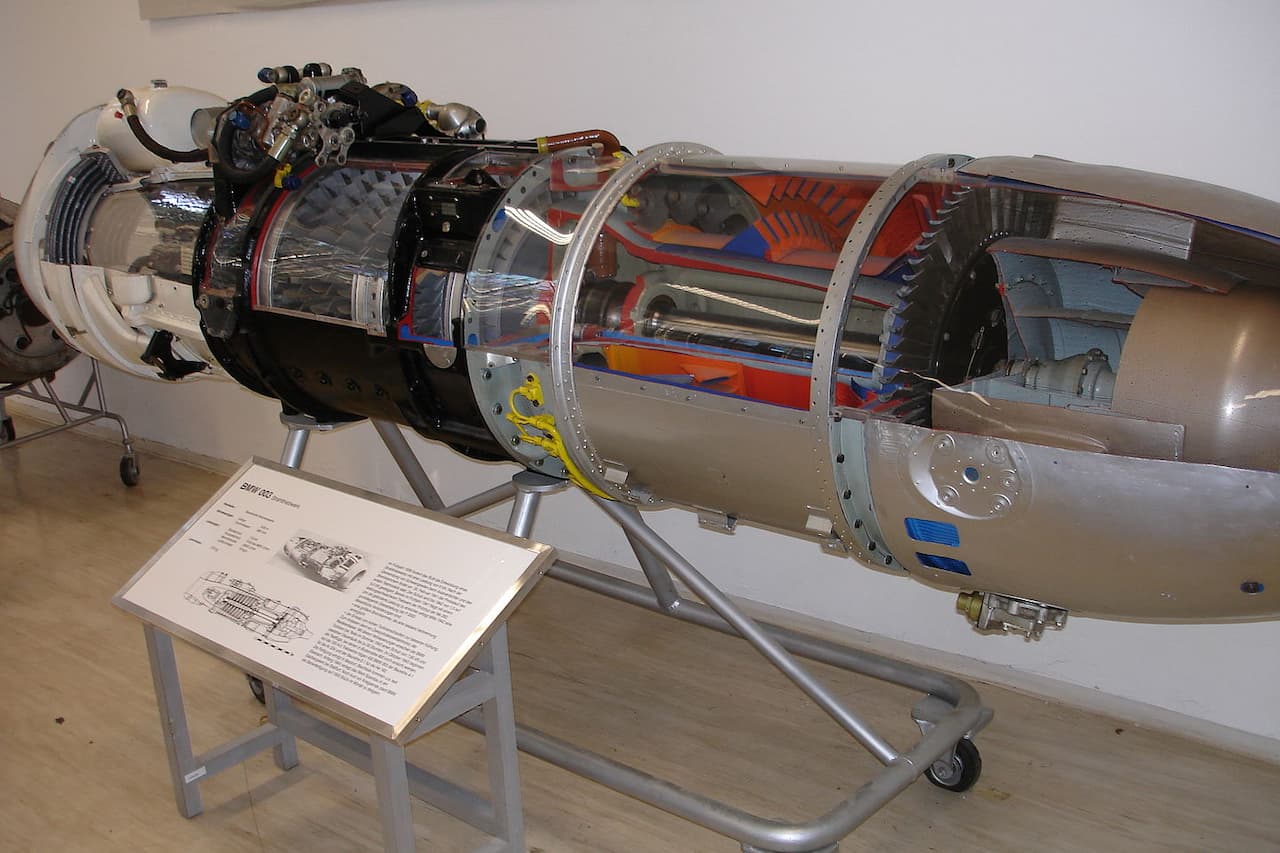
BMW was founded in 1916, initially focusing on producing aircraft engines. Its early success came from engineering high-performance engines for military aircraft during World War I.
The company’s expertise in aviation technology set the foundation for its later ventures into automotive manufacturing. BMW shifted to car production after acquiring Fahrzeugfabrik Eisenach in 1928. This marked their transition from aviation to the automobile industry.
Volkswagen Thing’s military-inspired design
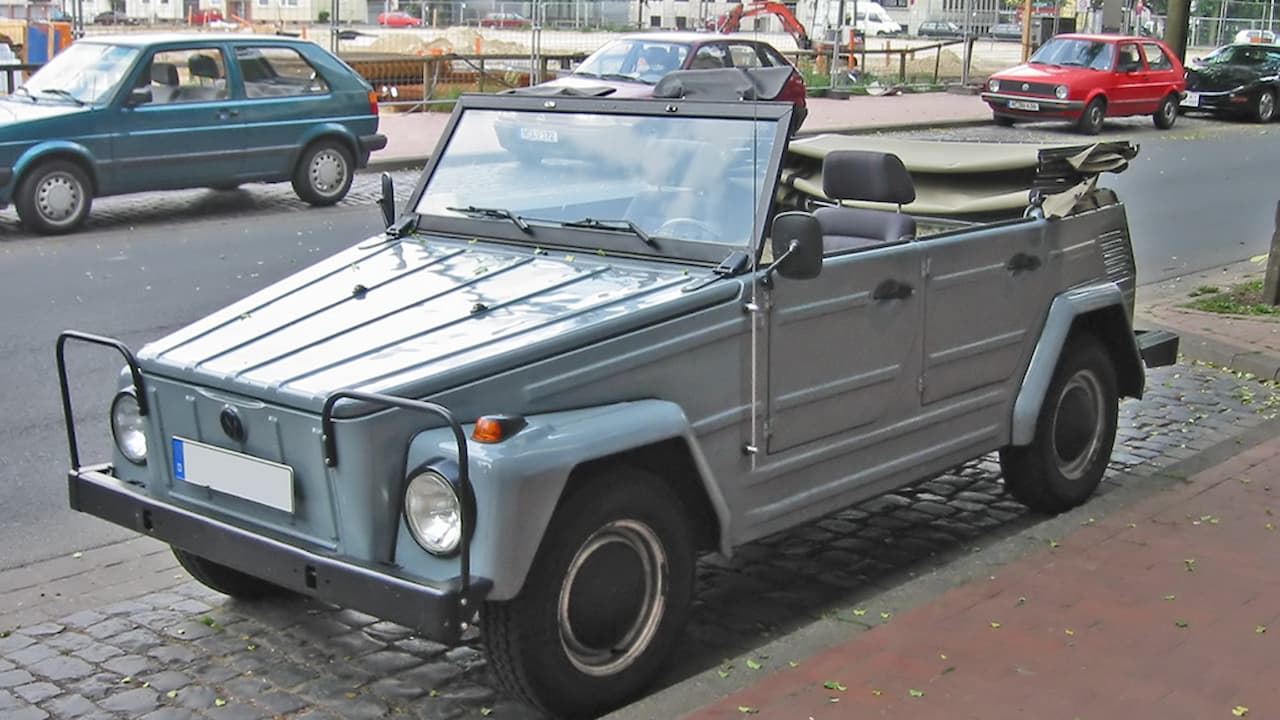
The Volkswagen Thing, also known as the Type 181, was originally developed for the West German Army. Its design drew heavily from the military Kübelwagen used during World War II.
Built for durability and off-road capability, the vehicle prioritized function over comfort. Later adapted for civilian markets, it retained its rugged, utilitarian appearance.
Its minimalist design reflected the demands of military use, including simple maintenance and versatility across various terrains. This gave it a unique identity among European vehicles of its time.
Sinclair C5 electric vehicle by Sinclair Research
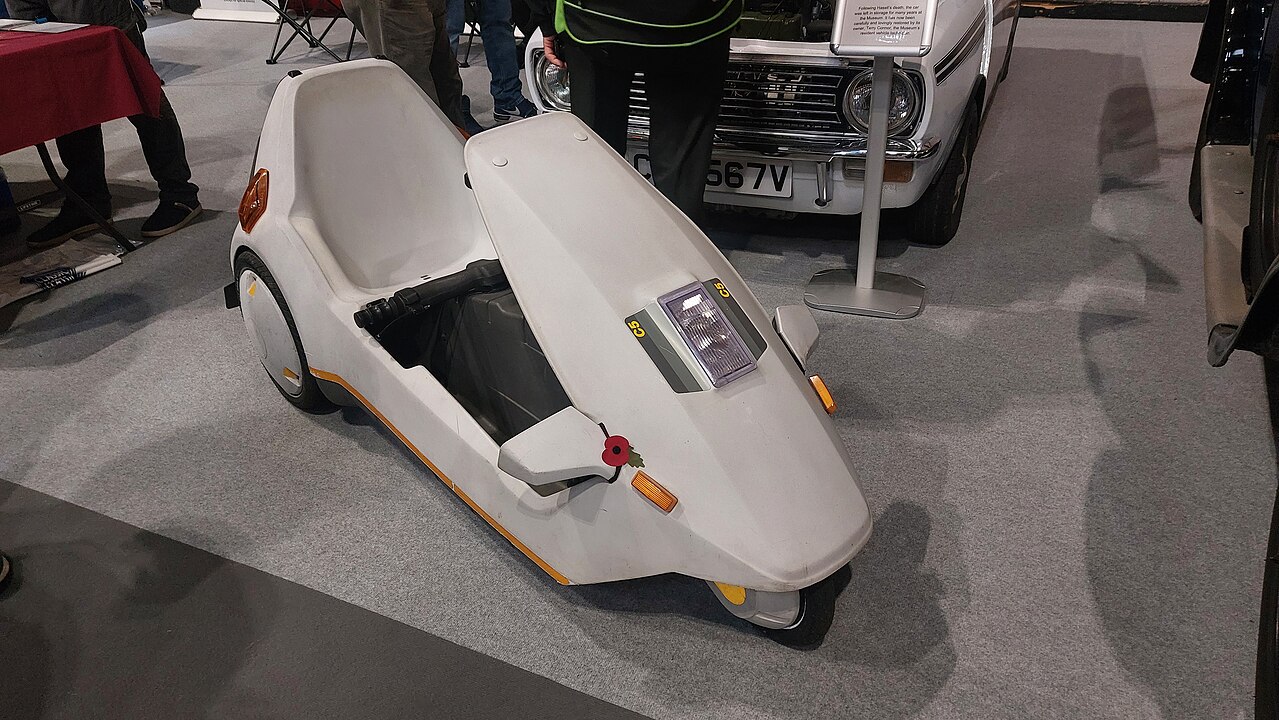
The Sinclair C5 is a single-seat, battery-powered electric tricycle launched in 1985 by Sinclair Research. It features a recumbent design and is electrically assisted but also pedal-powered.
Developed by Sir Clive Sinclair, the vehicle aimed to offer an affordable, eco-friendly alternative for short urban trips. Despite its innovative concept, the C5 faced challenges in safety and market acceptance, limiting its commercial success.
Tatra 603’s unique rear-engine layout
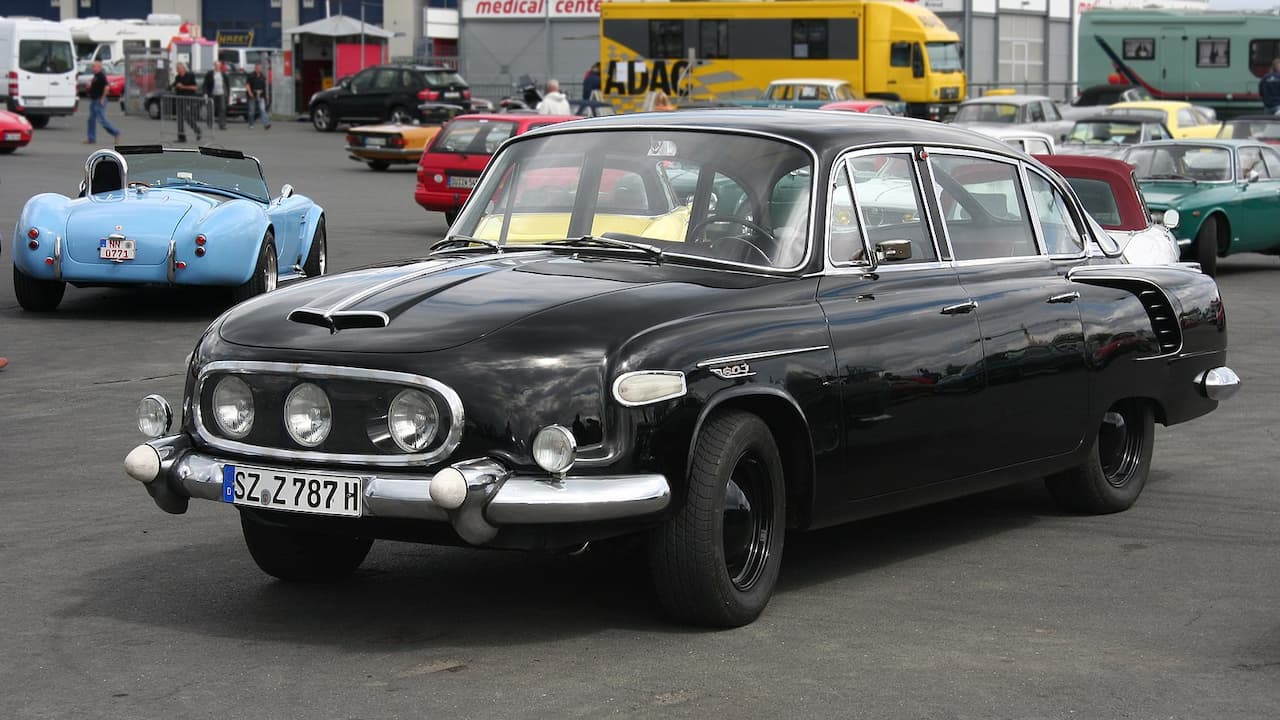
The Tatra 603 features a rear-engine design, with its air-cooled V8 placed behind the rear axle. This layout was uncommon among luxury cars of its time.
Later models like the Tatra 613 moved the engine slightly forward and above the gearbox, creating a semi mid/rear-engine setup. This design improved balance while maintaining the brand’s engineering distinctiveness.
Lancia Stratos, designed explicitly for rally racing
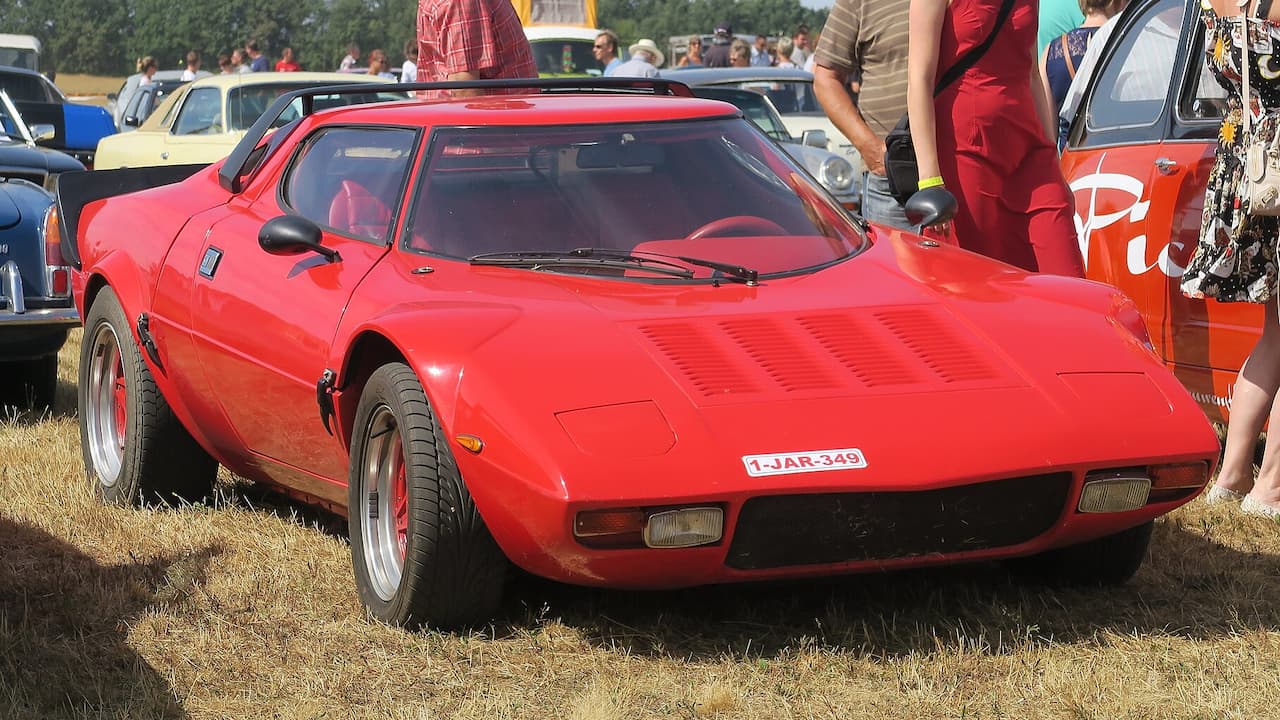
The Lancia Stratos was created specifically for rally competition. It features a lightweight design with a mid-engine layout to enhance balance and handling.
Developed in the 1970s, this car achieved notable success, winning the Monte Carlo Rally multiple times. Its construction included innovative materials and a roll cage integrated into the body for safety and rigidity.
Lancia’s focus on performance and durability made the Stratos a distinct rally icon with origins tied directly to competitive motorsport.
Peel P50, the smallest production car
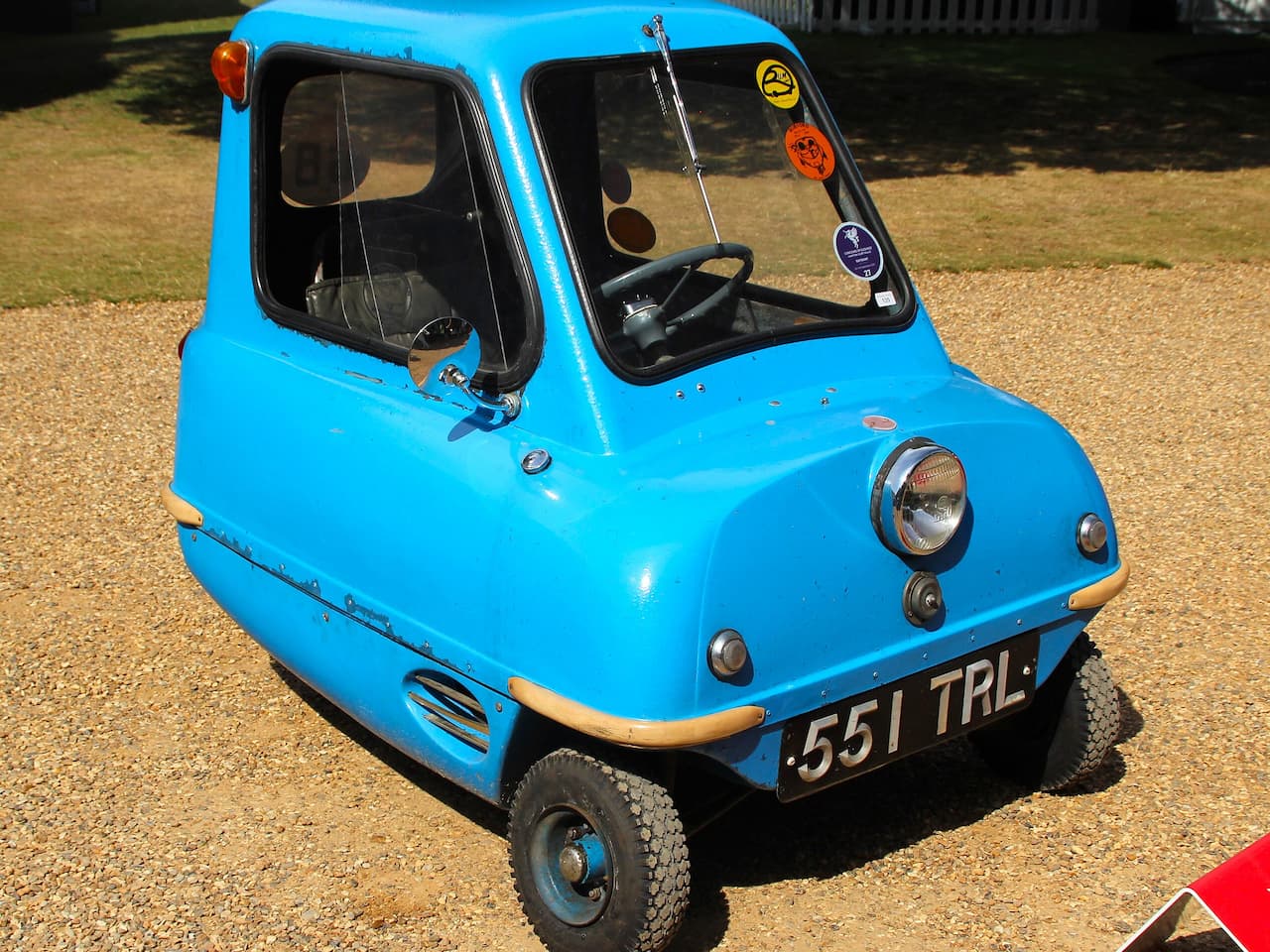
The Peel P50 was manufactured by the Peel Engineering Company on the Isle of Man between 1962 and 1965. It is recognized for its exceptionally small size, measuring just 54 inches in length and weighing around 130 pounds.
With three wheels and a single door, the P50 was designed as a microcar for city use. Production briefly resumed in 2010, maintaining its status as one of the smallest cars ever produced.
Rinspeed Squba, a submersible car
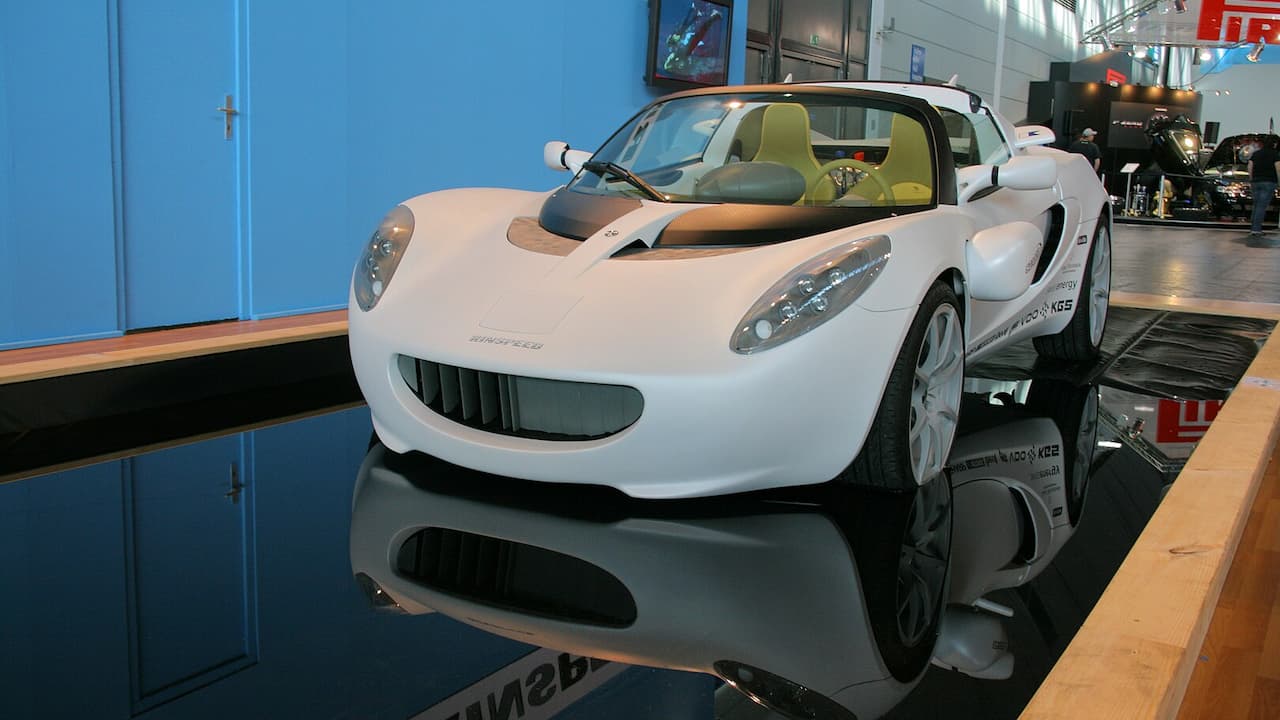
The Rinspeed Squba is a unique vehicle developed in Switzerland that can be driven on land and underwater. It was introduced in 2008 and is recognized as the world’s first real submersible car.
This electric vehicle produces zero emissions, making it environmentally friendly. Its design allows it to transition seamlessly from road to water, offering a novel approach to driving.
The Squba highlights innovation in European car manufacturing, blending automotive and marine technology in one concept.