
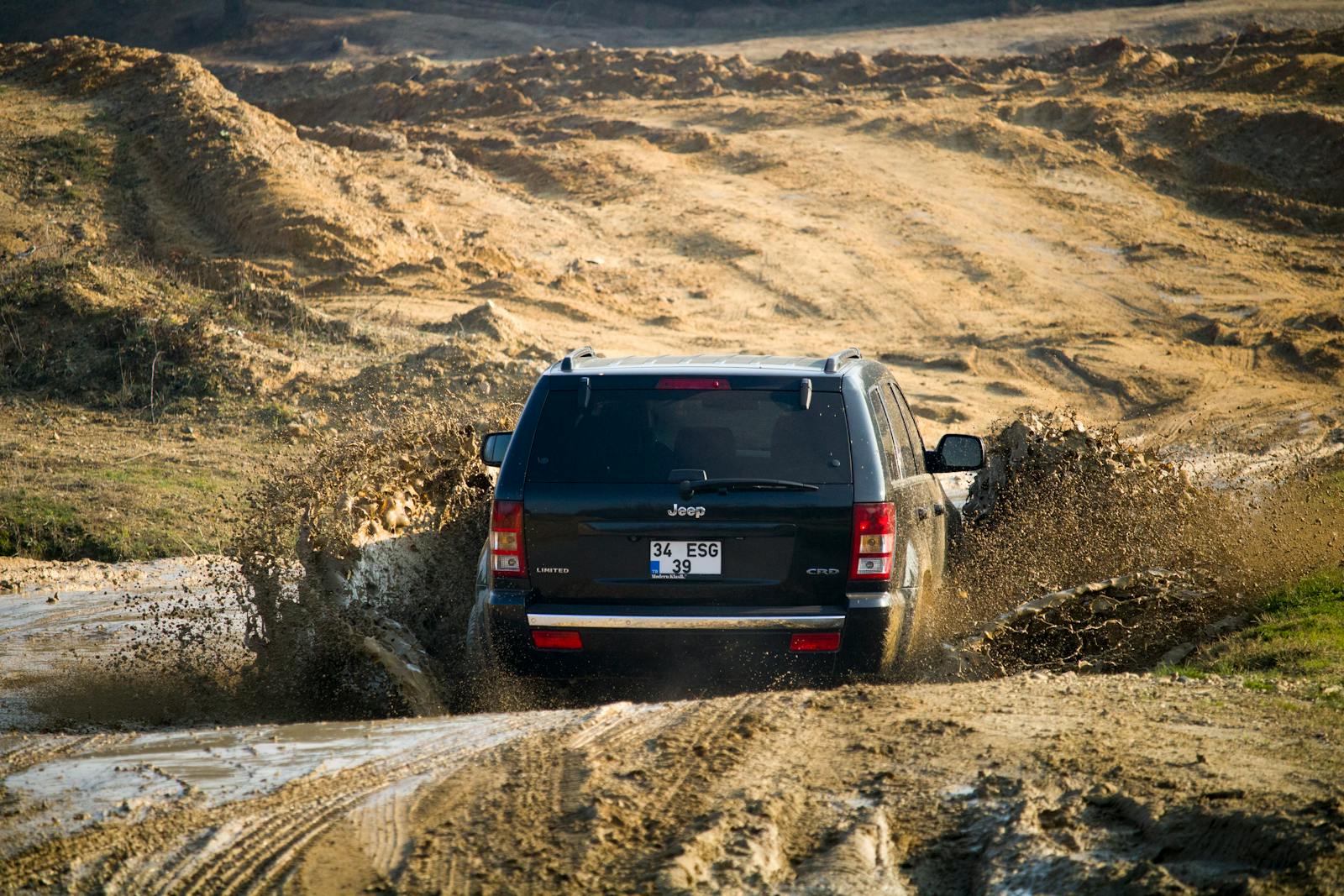

It starts the way a lot of shop disasters start: with a customer who’s picky, a little rushed, and absolutely convinced they’re doing everything right by bringing the truck in “before it becomes a problem.” The SUV in question was one of those off-road builds that’s clean enough to daily but still wears its intentions on its sleeves—lift, chunky tires, rock sliders, the whole look that says the owner has opinions about torque specs.
He’d noticed a faint wobble at highway speed after a weekend run, nothing dramatic, just that annoying steering wheel shimmy that makes you turn the radio down and listen for new noises. The shop booked him in for a tire rotation and quick inspection, and he rolled in expecting the usual: wheels off, brakes peeked at, lugs torqued, out the door. Instead, he left with a wheel assembly that was basically ticking like a cheap time bomb.
The messed-up part is how ordinary it sounded at the counter. The tech assigned to it wasn’t some brand-new kid, and the job wasn’t complicated. But somewhere between “pulling the wheel” and “sending it,” a lug nut got stripped, a stud got “fixed” with heat, and the hub cracked before the guy even made it home.
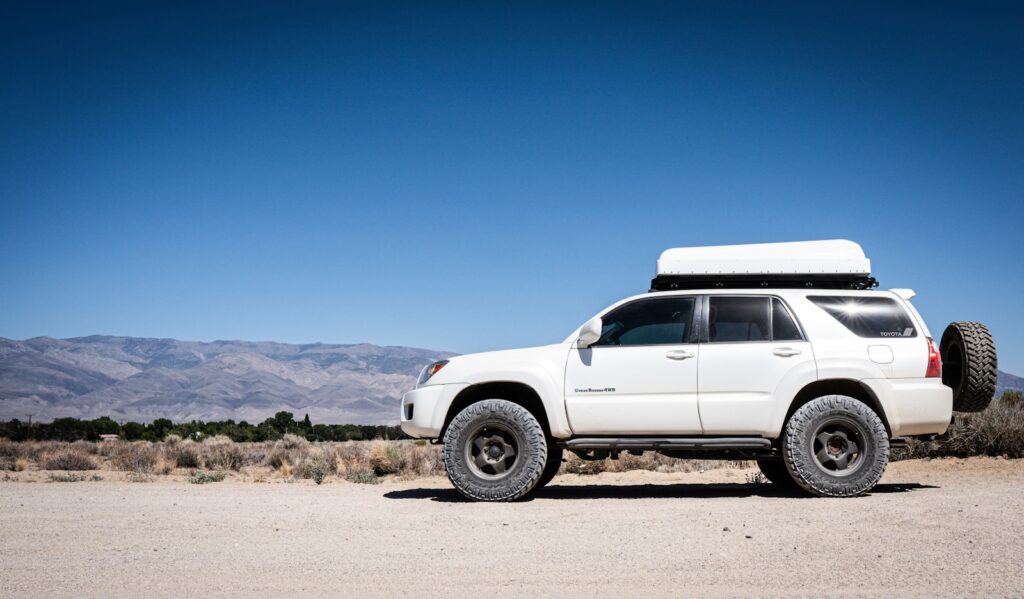
The off-road SUV and the one lug that didn’t want to cooperate
The trouble started on the first wheel they tried to pull. One lug nut fought harder than the others—tight enough to make the impact gun chatter and the tech lean into it like he was trying to open a stuck pickle jar. When it finally moved, it didn’t have that clean break free feeling; it felt gummy, like the threads were giving up in slow motion.
Once a lug starts stripping, everything changes. You can’t pretend it’s normal anymore, because every turn is doing damage you can’t un-do. The SUV owner wasn’t standing over the tech’s shoulder, but he was in the waiting area close enough to catch the vibe shift—little pauses, an extra trip back to the toolbox, that particular clatter of sockets being swapped out like the tech is bargaining with fate.
The service writer still had the same calm voice when he passed by and said, “Might take a few extra minutes.” Not “we found something,” not “we need to talk,” just a soft extension of time. The customer shrugged it off because this is what shops do: they take longer than promised, then act like it was always going to.
From stripped threads to the “spot heat” decision
In the bay, the tech realized the lug nut wasn’t just stubborn; it was chewing the stud. A stripped lug nut is one thing, a stripped stud is another, and a stud that’s been galled to the nut is where you either do the correct repair or you start improvising. Correct repair means stopping, telling the customer, pressing in a new stud, and doing it clean.
Improvising is faster and looks, for a moment, like competence. The tech went for what the shop later called “spot heat,” basically introducing a torch to the problem in a targeted way to free the stuck hardware. Heat can be a legitimate tool, but on a hub assembly—right next to bearings, seals, and metal that’s been engineered for specific loads—it’s also a way to add hidden damage on top of visible damage.
The customer didn’t see the flame, but he noticed the smell when he got up to grab a coffee from the machine. That sharp, cooked-metal-and-rubber whiff that doesn’t belong in a normal tire rotation. He mentioned it casually at the counter and got the kind of half-answer you get when someone doesn’t want to invite follow-up questions: “Just a little stuck hardware, nothing crazy.”
The “it’s fine” handoff and the first mile of dread
Eventually the SUV came down off the lift, and the keys were back on the counter with a receipt that looked harmless. The service writer said the usual: rotation done, quick check looked good, they torqued the lugs. No mention of stripped threads, no mention of a stud being heated, no mention of any “we had to do a workaround.”
The customer did his own mini-checkout in the parking lot because he was that kind of owner. He glanced at the wheel faces, looked for fresh scuffs, and did a light tug on the steering wheel at a crawl. Everything felt normal enough to not make a scene, so he headed out, telling himself he was being paranoid.
He didn’t get far before the steering started to feel… wrong. Not an immediate shake, more like a soft looseness, like the tire wasn’t completely sure it was attached. At the first stop sign he cracked the window to listen, and there it was: a faint tick-tick that sped up with wheel rotation, the kind of sound that lives in your stomach once you’ve heard it.
The crack shows itself before he even gets home
He made it to a faster road and tried to keep the speed down, but the tick turned into a thump, and the thump turned into that heavy, rhythmic wobble that makes your hands tighten on the wheel without you deciding to. He pulled into a parking lot and got out to look, expecting maybe a loose lug he could snug down with the factory wrench. Instead, he saw a wheel that looked slightly canted, like it wasn’t sitting square against the hub.
He popped the center cap and found a mess: one lug nut that didn’t match the others, fresh tool marks around it, and a stud that looked discolored like it had been cooked. He tried to put a wrench on the suspect lug and it didn’t feel like a normal fastener anymore—it felt like it was welded to the stud, turning with it in a way that screamed “threads are gone.”
When he finally got it to move, it wasn’t the satisfying loosening of a nut; it was the sickening give of metal failing. The stud spun, and the hub face showed a hairline crack that hadn’t been there before. The kind of crack that doesn’t come from “off-road life,” but from stress being applied where it shouldn’t be—like a wheel being yanked off, hardware forced, then torqued down on compromised parts.
He didn’t drive it home after that. He called for a tow, then called the shop, and he didn’t lead with anger—he led with that tight, controlled voice people use when they’re trying not to sound like they’re about to explode. “Something’s wrong with the wheel you just touched,” he said, and when the service writer asked what he meant, he sent pictures instead of arguing.
Back at the shop: denial, then the slow walk toward responsibility
The shop’s first response was predictable: bring it back and they’ll “take a look.” But the SUV was already on a flatbed, and the customer wasn’t asking for a look—he was asking why the lug nut looked heat-stained and why the stud looked fused. When it arrived, the awkwardness got physical, with employees hovering a little too close and nobody wanting to be the first to say the obvious out loud.
In the bay, the tech who worked on it went quiet in that way people do when they know the evidence is louder than they are. The lug nut wasn’t just stripped; it was effectively married to the stud. The hub crack was undeniable once the wheel came off, and removing the damaged hardware took more force than any “routine rotation” should ever require.
The service writer tried to keep it procedural—“sometimes studs fail,” “off-road use puts stress on components”—but the customer had timestamps, photos, and the fact that the problem started the minute he left their lot. He wasn’t claiming the truck was pristine; he was claiming it was drivable when it arrived and dangerous when it left. And the heat marks weren’t a coincidence you could shrug at.
The manager eventually got involved, and that’s where the fight turned into a chess match. The customer wanted the hub replaced, studs replaced, and bearings checked because once you start cooking metal near a bearing, you don’t get to pretend it’s unaffected. The shop started talking about “goodwill,” which is one of those words that sounds generous until you realize it’s often used to avoid saying “we’re at fault.”
They offered to replace the damaged stud and lug, maybe even the hub, but the customer pushed back on the idea that this was a one-part fix. He wanted documentation of what they did, who did it, and why a torch ever came out for a lug nut without him being told. The manager didn’t love that, because paper trails are what turn a bad day into an insurance claim.
By the time the SUV was back on a lift for the second time in a day, the shop felt less like a business and more like a family argument in public. Employees spoke in careful fragments, the customer watched every movement like a referee, and the manager kept stepping away to make phone calls that didn’t seem to be helping anyone’s mood. The hub had cracked before the guy made it home, and everyone in that building knew what could’ve happened if it cracked a little more, a little sooner, at a little higher speed.
The weirdest part wasn’t the damage—it was how hard everyone worked to keep the story small. The customer didn’t leave with a neat resolution; he left with a vehicle in pieces, a shop that suddenly wanted everything in writing, and the uncomfortable realization that the most dangerous repairs aren’t always the big obvious ones. Sometimes it’s a “spot heat,” a hurried torque, and a decision to hand the keys back like nothing happened, right up until the hub decides to tell the truth on the drive home.
More from Steel Horse Rides: