

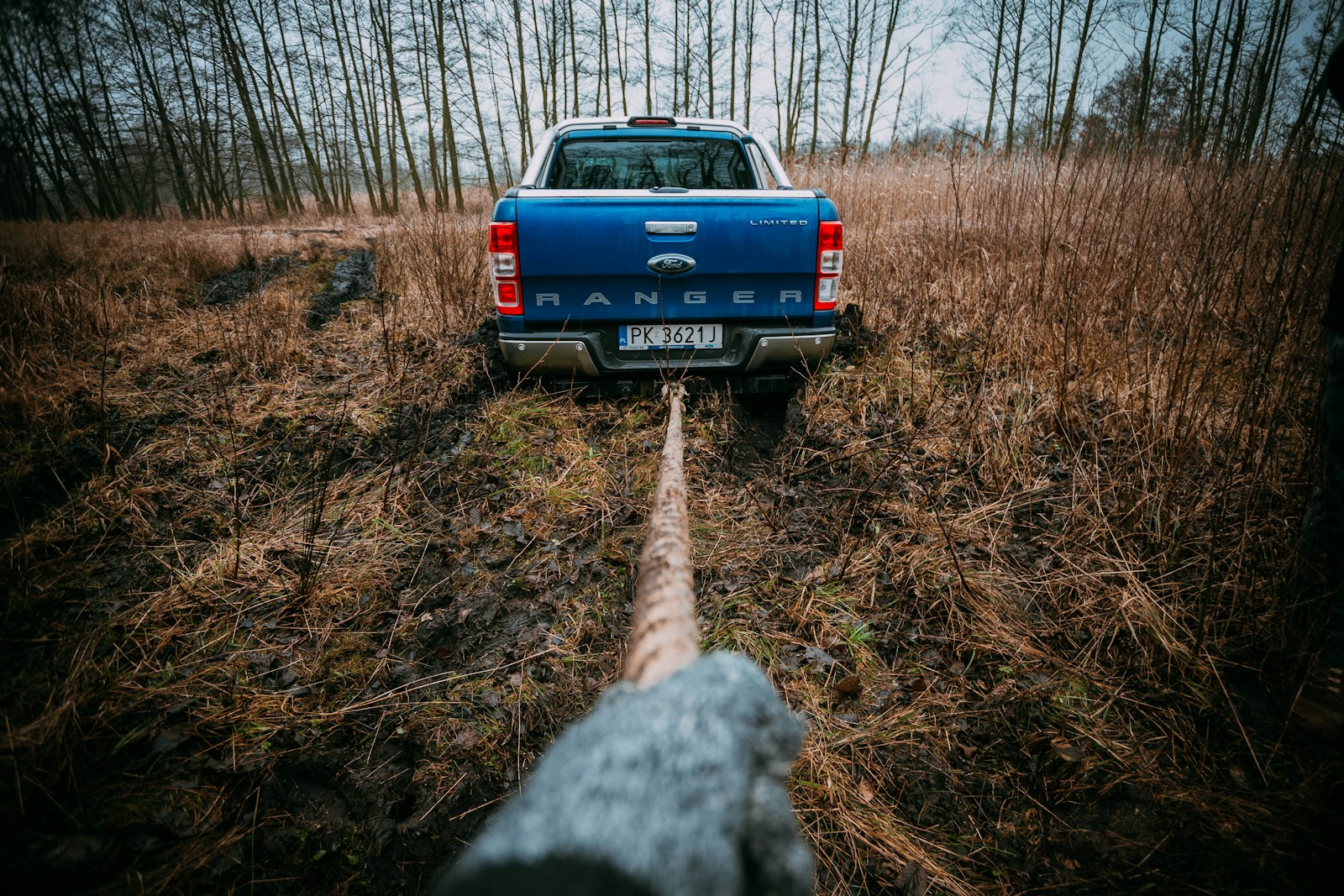
It starts the way these things always start: a teenager with a crush, a phone full of bravado, and a set of keys he absolutely should not have had in his pocket. The kid—let’s call him Tyler—had been trying to get this girl from his grade to notice him for weeks, and he’d decided the thing standing between him and romantic legend status was a truck.
Not just any truck, either. His stepdad’s truck. The one with the decent tires, the clean interior, and the quiet, simmering “don’t even think about it” energy hanging over it whenever Tyler looked at it a beat too long. Tyler’s mom worked late, his stepdad was out, and Tyler saw a narrow window to become the kind of guy who pulls up with bass rattling and confidence to spare.
He told the girl he could take her “somewhere cool,” not a lame parking lot or a chain restaurant—something with space and views and “a little adventure.” She brought a friend along, half because she didn’t fully trust him and half because teenagers treat danger like a social activity. Tyler showed up with the truck like it was a trophy, trying to play it off as casual while his hands were sweating on the steering wheel.
The Truck, the Flex, and the Shortcut Nobody Asked For
The plan was simple in Tyler’s head: drive out to the edge of town where there were open fields and dirt roads, blast music, tell a couple stories that made him sound older, then drop them back off like a gentleman with horsepower. He’d done that route before in a friend’s beat-up sedan, which was basically the automotive equivalent of a disposable camera—no one cared if it got dirty.
But this time, the truck was the point. He wanted the girls to see him in it, to feel like he had access to “adult” stuff, like he wasn’t just another kid borrowing his mom’s car. So when he missed the turn to the little overlook spot, he didn’t admit it or turn around. He made a show of taking a “shortcut” onto a farm access road like he knew exactly what he was doing.
There were signs, too, the kind nobody reads until they’re already in trouble: a faded “Private Property” on a leaning post, tire tracks that looked deeper than they should, and that wet shine on the ground that says, this isn’t dirt anymore. Tyler kept going anyway, because stopping would mean explaining, and explaining would mean losing the vibe he’d been building.
“It’s Fine” Becomes “Why Is It Not Moving?”
At first it was just a little slide, the tires finding the soft spots and wobbling like a shopping cart with one bad wheel. The girls did that nervous laugh thing, the one that’s half amusement and half “are we safe?” Tyler grinned and said something like, “This truck can handle it,” because the worst thing to admit in front of a crush is uncertainty.
Then the back end fishtailed, and the truck sank an inch with the kind of slow commitment that should’ve been a warning. Tyler tapped the gas. The tires spun. Mud sprayed up in an arc that landed perfectly along the side panels, turning the truck from “impressive” to “recently dragged out of a swamp.”
He tried rocking it—forward, back, forward again—like he’d seen in videos, except those videos usually feature people who know when to stop. Every attempt just dug them deeper, the tires chewing into the field until the truck settled into ruts like it belonged there. The girls went quiet, which was somehow worse than yelling.
At some point the girl’s friend said, “We should call someone,” and Tyler snapped back too fast, “No, we’re fine.” He got out, shoes immediately sinking, and stared at the wheels like glaring at them might shame them into traction. He even tried the classic move of grabbing a stick and poking at the mud as if it was a mechanical issue he could fix with anger and improvisation.
The Phone Calls: First to Friends, Then to Reality
Tyler didn’t call his mom or stepdad first. He called a friend who had an older brother with a Jeep, because that felt less humiliating. The friend showed up with two other guys, all of them making jokes that were friendly on the surface but sharp enough to sting, the kind that land because everyone knows exactly what Tyler was trying to do.
They tried pushing. They tried stuffing random sticks and rocks under the tires like they were building a tiny bridge out of panic. Someone suggested letting air out of the tires for better grip, and Tyler said, “That’s dumb,” despite the fact he didn’t have a better idea and also didn’t know what he was talking about.
The Jeep attempt lasted maybe ten minutes before it became obvious they didn’t have the right equipment, and the mud wasn’t the cute kind you laugh about later. The truck wasn’t just stuck; it was seated. The girl Tyler wanted to impress stood off to the side with her arms crossed, phone in hand, the universal posture of someone reconsidering every decision that led them here.
Finally, one of the guys said it: “You gotta tell your stepdad.” Tyler’s face did that flicker between fear and pride, and he muttered something about how his stepdad was “dramatic” and “always looking for a reason to yell.” But he still didn’t call. The girl did, though—not his stepdad, just a ride—because she was done being stranded in a field while Tyler argued with the concept of consequences.
Stepdad Shows Up With a Tow Strap and a Look
When Tyler’s stepdad got the call, it wasn’t from Tyler. It was from Tyler’s mom, who got a clipped message from someone else along the chain that there was “a situation” with the truck. By the time the stepdad pulled up, the sun was lower, the field looked worse, and Tyler was standing there trying to act like he’d been “handling it” the whole time.
The stepdad didn’t explode immediately. He did that quiet thing some adults do when they’re so mad they go calm, like they’re collecting evidence. He walked around the truck, took in the mud splatter, the deep ruts, the torn-up grass, and then looked at Tyler in a way that made Tyler suddenly remember he was still a kid.
Tyler started talking fast. It was an accident. The ground “just gave out.” He thought it was a path. He was just trying to “show them something.” And then, the line that turned the air colder: “It’s not that big a deal. It’s just mud.”
His stepdad stared at him like Tyler had said it was “just arson.” He pointed out, in a voice that had the edge of someone holding back, that it wasn’t just mud—it was a truck payment, it was potential damage underneath, it was the risk of being on someone’s property, it was the fact that Tyler took it without permission and then refused to call for help until it became a whole event.
They hooked up a tow strap and the stepdad hauled it out with another vehicle he’d brought, the kind of thing that takes muscle, patience, and experience. Tyler stood nearby, still muttering about how everyone was overreacting, like the mud had been an unavoidable weather phenomenon and not a decision he drove into at full ego.
The Part That Stuck Worse Than the Truck
The ride home was brutal—not because anyone screamed, but because Tyler wouldn’t stop minimizing. He kept saying the truck “drives fine” and that they could “just wash it,” as if the only issue was aesthetics. His mom was furious in that exhausted way, the kind where she’s mad at Tyler but also mad at herself for trusting him, mad at the stepdad for being strict, and mad at the universe for handing her another mess to clean up.
His stepdad, meanwhile, didn’t lecture much. He asked a few pointed questions—why Tyler had the keys, where he thought he was going, why he didn’t call immediately—and Tyler answered like he was on trial for something petty. The mismatch in seriousness was the real fight: the adults were talking about trust and responsibility, and Tyler was talking about mud like it was a stain you could scrub out of the story.
And that’s where it ended, at least for the night: the truck back in the driveway, streaked and dripping, the stepdad silently checking it over with a flashlight, and Tyler walking inside with that defensive swagger teenagers use when they know they messed up but can’t stand the idea of being seen as wrong. The mud would wash off eventually, sure, but the bigger mess was still sitting there—trust caked into the grooves, and a kid who couldn’t tell the difference between a bad day and a bad decision.