

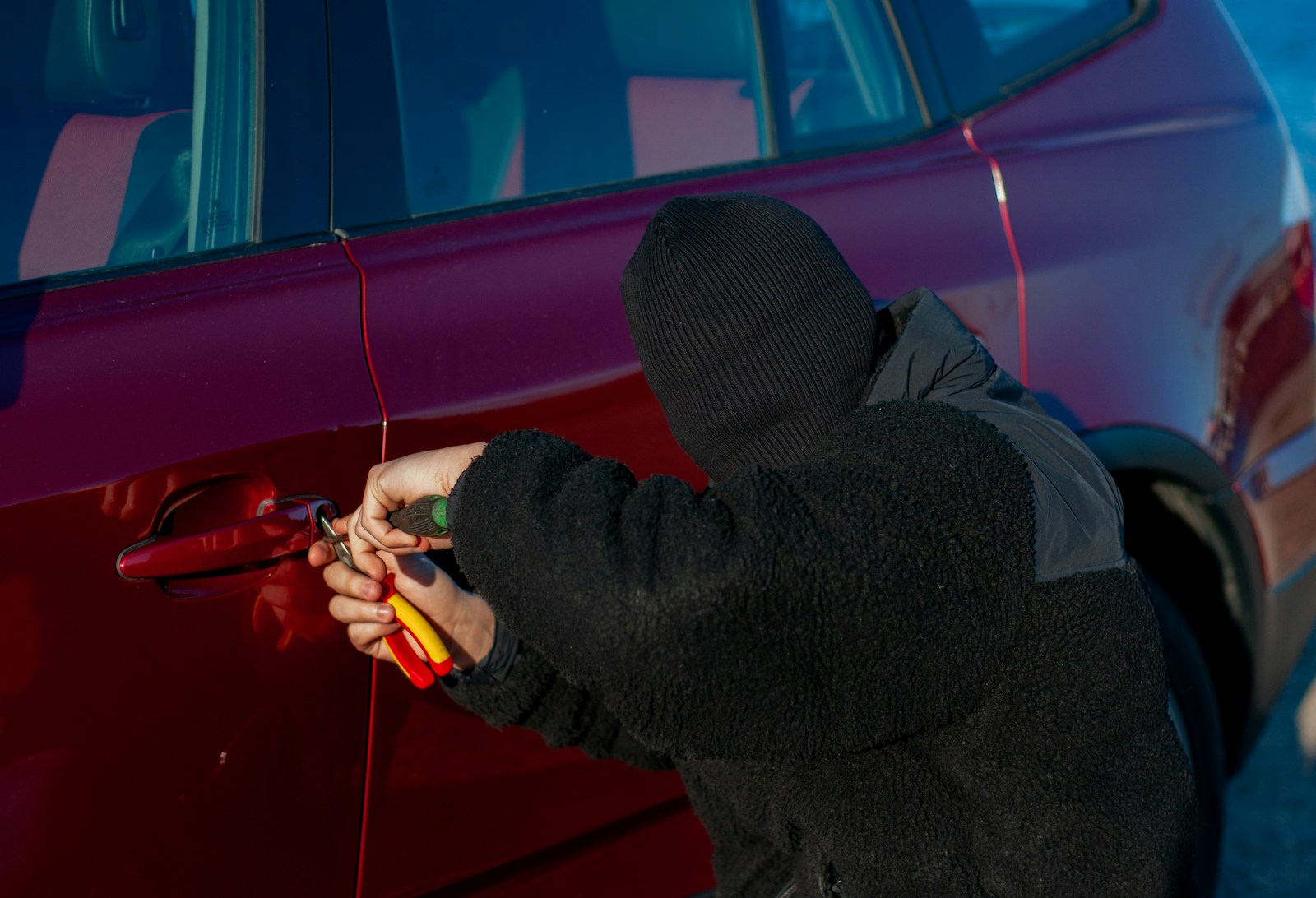
Ten vehicles out of the hundreds of makes and models on American roads accounted for roughly one out of every five vehicles reported stolen in 2025, according to data published by the National Insurance Crime Bureau. NICB’s annual “Hot Wheels” ranking is compiled from law enforcement theft reports nationwide, and it names the exact ten nameplates thieves gravitated toward most even as overall car theft fell sharply. A Hyundai Elantra was stolen 21,732 times last year, more than any other vehicle in the country, and nine other models rounded out a top ten that looks a lot more like a mall parking lot than a heist movie set. The list lands alongside real progress: total vehicle thefts nationwide dropped 23% from 2024 to 2025, yet the concentration at the top barely moved.
The 2025 Top Ten
NICB’s ranking, based on theft reports filed with law enforcement across the country, put the following ten vehicles at the top of the list for calendar year 2025:
Hyundai Elantra (21,732 thefts), Honda Accord (17,797), Hyundai Sonata (17,687), Chevrolet Silverado 1500 (16,764), Honda Civic (12,725), Kia Optima (11,521), Ford F-150 (10,102), Toyota Camry (9,833), Honda CR-V (9,809) and Nissan Altima (8,445), per NICB’s release. Add those ten figures together and you get 136,415 vehicles, out of a national total of 659,880 stolen vehicles that year. That means ten specific models, a sliver of everything registered in the U.S., made up close to 21% of every reported theft in the country.
A Genuine Decline, With an Asterisk
The backdrop here matters. NICB reported that 2024 saw 850,708 vehicles stolen nationwide, itself a 17% drop from 2023’s 1,020,729, according to a separate NICB news release from March 2025. The bureau’s mid-year snapshot found the decline accelerating through the first half of 2025, with thefts down 23% compared to the same period a year earlier and the national theft rate falling to 97.33 per 100,000 residents from 126.62, according to NICB’s mid-year report. Not every state shared in the improvement. That same report flagged Alaska as the only state where thefts actually rose, up 26% year over year, while Puerto Rico and Washington State posted the steepest declines, at 43% and 42%.
Why Two Korean Sedans Still Dominate
The Elantra and Sonata sitting at the top of a national theft list is not a coincidence of bad luck. Hyundai and Kia vehicles combined still made up 14% of all reported vehicle thefts in 2025, according to Kelley Blue Book’s reporting on the NICB data, down from 16% in 2024 and 21% in 2023. That downward trend tracks with automaker efforts to close a well-documented security gap in older Hyundai and Kia models that made them unusually easy to start without a key. The percentage keeps shrinking, but a Hyundai and a Kia both still cracked the top six most stolen vehicles in America last year, which tells you how much ground there still is to make up on millions of older units already in driveways.
What This List Actually Tells Owners
None of the ten vehicles on NICB’s list are stolen because they’re valuable in some exotic sense. They’re stolen because there are millions of them on the road, parts are easy to resell, and older units in particular can lack the anti-theft hardware that’s now standard on newer trims. NICB’s own guidance to owners of any commonly targeted vehicle centers on layering protection rather than relying on one fix: lock the vehicle and take the key or fob every time, add a visible steering wheel lock or kill switch as a second obstacle, and consider a GPS tracking device that helps police recover a stolen vehicle quickly rather than preventing the theft outright. If you own one of the ten vehicles above, particularly an Elantra, Sonata, Optima, Civic or Accord built before automakers tightened up factory immobilizers, that combination of visible deterrents matters more for you than it does for the average driver.
What NICB’s 2025 numbers really show is that car theft in America tracks ordinary ubiquity almost perfectly. A list built entirely from what’s actually parked in driveways and grocery store lots will keep looking like America’s best-selling cars rather than its rarest ones, long after any individual model’s security flaw gets patched.