
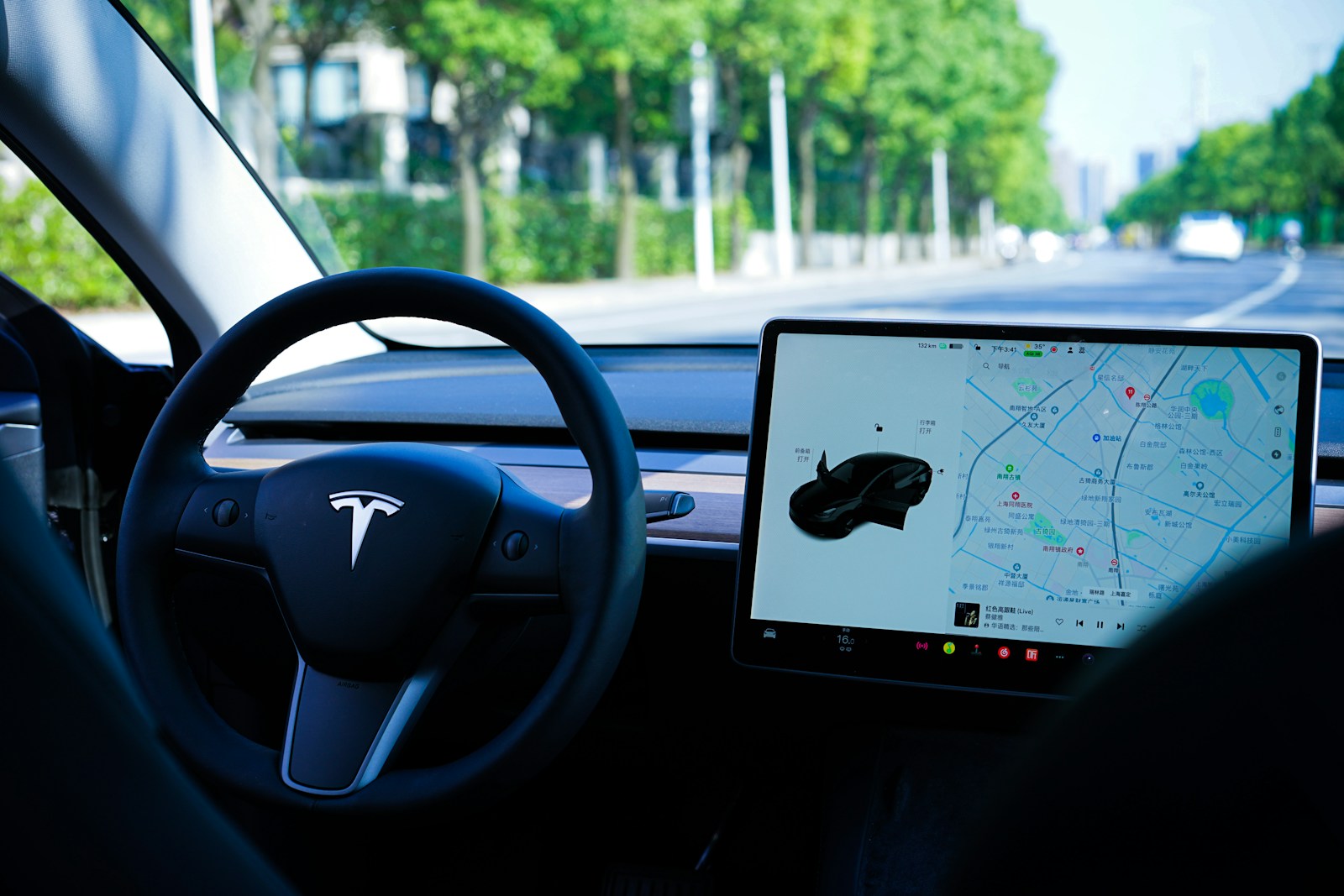

A Tesla Robotaxi in Austin quoted a rider 66 minutes to travel just 2.3 miles, and the ride never actually got faster, even after the app’s own estimate swung wildly in the middle of the trip. The account of what happened, posted directly by the rider, has racked up hundreds of thousands of views and put fresh scrutiny on how Tesla’s driverless taxi service handles routing failures in real time.
Key Points
- Reggie Overton, who describes himself as a Tesla Ambassador, posted on X on August 22 that a Robotaxi he ordered for a 2.3-mile trip came back with an estimated arrival time of 1 hour and 6 minutes.
- He called Tesla support, who told him it was a software malfunction, according to his own post.
- The estimate briefly dropped to 16 minutes, then jumped back up to 57 minutes, all without the car’s actual route ever changing, Overton wrote.
- Support could not reroute the vehicle remotely, so Overton got out and called a traditional rideshare instead.
Overton’s post is a firsthand account from his own account, not a secondhand retelling. He describes calling Tesla support directly and being told the delay stemmed from a software issue, not traffic or demand. That distinction matters, because it points to a dispatch or routing bug rather than the kind of driver shortage that would explain a long wait for an Uber or Lyft during a busy weekend.
The incident lands as Tesla continues to expand its Robotaxi footprint in Texas without the safety monitors that rode in the front seat during the service’s 2025 launch. It also isn’t the first time federal regulators have taken an interest in how the vehicles behave on public roads. CBS News reported that the National Highway Traffic Safety Administration opened a review after videos showed Austin Robotaxis driving into an oncoming lane and braking unpredictably, with the agency stating at the time that it was “in contact with the manufacturer” and would “take any necessary actions to protect road safety” following its assessment.
Wait times and routing are a different category of problem than the erratic driving NHTSA has scrutinized, but they cut to the same underlying question: whether Tesla’s self-driving software can reliably handle the basic logistics of a taxi service, not just the driving itself. A car that can safely navigate a road but cannot correctly estimate how long it will take to get there, and cannot be manually redirected when its estimate is obviously broken, is not yet a finished product, even if the underlying driving technology continues to improve.
Tesla has not issued its own public statement addressing Overton’s specific ride. For now, the episode stands as a real-world data point on the gap between Tesla’s ambitions for a nationwide autonomous ride-hailing network and the software’s current reliability on ordinary short trips.