
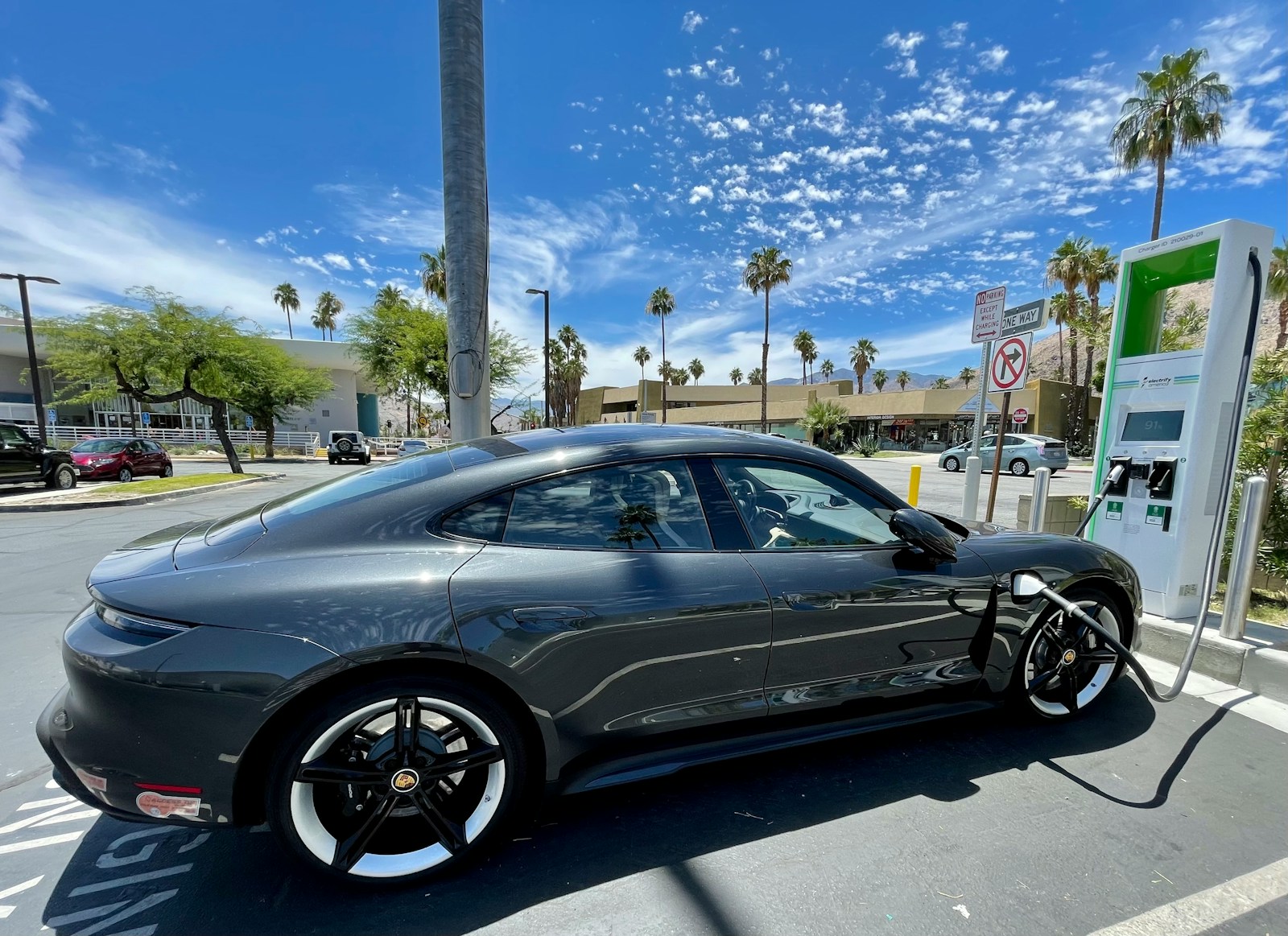

He’d been on the kind of long, flat Texas drive that tricks you into thinking nothing can possibly happen. The EV was humming along, cabin quiet, air conditioning working overtime, and the navigation was doing that optimistic “you’ll arrive with 14%” math that always feels like a dare. He’d already passed two exits that were basically a gas station, a fried chicken place, and a wind-swept parking lot.
Then came the sound that made his stomach drop: a single loud pop from underneath, sharp enough to cut through the music and the road noise. Not a rattle, not a thunk—more like something pressurized giving up all at once. The dash didn’t immediately explode with warnings, which almost made it worse, because it left him sitting there thinking, “Did I just imagine that?”
He didn’t wait long to find out. Within a minute, the car started throwing up alerts in that calm, polite way modern cars have when they’re absolutely not calm: reduce speed, service required, pull over when safe. He signaled and drifted into the next rest area, the kind with a handful of picnic tables, a sun-bleached map of Texas, and a bathroom building that always smells vaguely like disinfectant losing a fight.
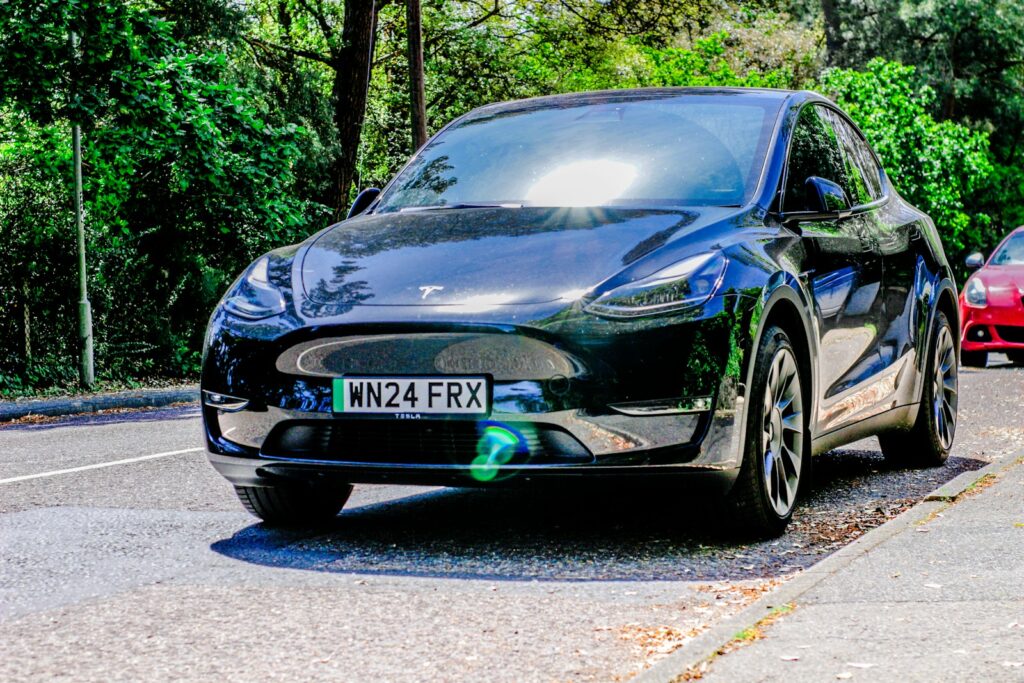
The rest area quiet, then the smell
He rolled into a spot far from the RVs, shut the car down, and just sat for a second listening to the ticking of cooling metal. Outside, the heat hit him like a wall, and the wind was pushing dust across the asphalt in little waves. He walked around the car, half-expecting to see a shredded tire or a dangling splash shield.
Instead, he caught this sweet, chemical smell that didn’t match anything he associated with brakes or rubber. When he crouched near the side skirt, he saw wetness—more than a drip, less than a gusher—tracking along the underbody. Whatever it was, it had that slick, too-clean look of coolant, and it was spreading in a way that made it obvious it wasn’t just condensation from the AC.
He did the thing everyone does now: pulled out his phone and started recording, partly as proof and partly because he didn’t trust his own brain to remember details later. He popped the frunk out of habit and stared at a bunch of plastic covers that might as well have been a sealed vault. The car’s warnings kept chiming softly, like it wanted to be helpful while also refusing to explain itself.
“Don’t touch anything” meets “I have to do something”
He called roadside assistance first, because that’s what you’re supposed to do when a high-voltage vehicle starts acting weird. The person on the line was polite and script-driven, asking him to confirm his location, whether there was smoke or fire, whether he felt safe. He kept saying, “No smoke, no fire, but something popped and there’s fluid under the car,” and he could hear the pause every time he mentioned fluid.
They told him to keep a distance from the vehicle and not to try to inspect the underside. That’s easy advice to give when you’re not the one standing in a rest area with a car that just made an explosive noise and is now bleeding something onto the pavement. He wasn’t trying to be a hero—he just wanted to know if this was “call a tow” bad or “call 911 and back away” bad.
A couple pulled in two spots over, saw him pacing, and asked if he was okay. He gave the short version—pop, warnings, leak—and they immediately got that cautious look people get when you say “battery” and “leak” in the same sentence. The guy offered him a bottle of water and then, without meaning to, stood a few steps farther away while talking.
More warnings, less power, and the awkward waiting game
He tried restarting the car, hoping it would clear whatever glitch was spooking the system. It did start, but it felt different—sluggish, limited, like it had decided to become a golf cart on purpose. The alerts came back faster, stacking on top of each other: reduced propulsion, service immediately, and a warning about the high-voltage system that made his throat go tight.
He shut it down again and waited, sitting on the curb in the thin strip of shade the building offered. The tow estimate kept shifting—forty minutes, then ninety, then “we’re locating a provider.” Every time a semi rumbled past on the highway, he could feel it in his chest, and he kept glancing back at his car like it might suddenly do something dramatic.
At some point he noticed the leak had slowed, which should’ve been good news, except it raised a new worry: if the coolant wasn’t dripping out, was it pooling somewhere it shouldn’t? He took another video, this time focusing on the warning messages, because he already knew how these situations go at service centers. If you can’t reproduce the error, it never happened.
The tow truck driver’s face says everything
When the tow finally arrived, the driver walked up with that confident, practiced swagger—right up until he saw the puddle under the car. He stopped mid-step, squinted, and asked what kind of fluid it was. The owner admitted he didn’t know for sure but suspected coolant, and the driver’s whole vibe shifted into “I’m not getting electrocuted for a paycheck” mode.
They both circled the vehicle, careful not to step in the wet area like it might bite. The driver said he’d towed EVs before but usually for dead 12V batteries or tires, not “something popped and now it’s leaking from the battery area.” He called his dispatch, and there was a minute where the owner could hear muffled words like “high voltage” and “hazmat” and “liability.”
Eventually the driver agreed to load it, but he did it slowly, methodically, like he was defusing something. He used extra straps, avoided dragging, and kept glancing at the undercarriage. The owner stood off to the side, feeling that weird mix of relief and embarrassment—relief that help showed up, embarrassment that his futuristic car was now being winched like a wounded animal in a place meant for bathroom breaks.
Back at the service bay: the culprit is small and stupid
The service center didn’t give him instant answers, which somehow made the whole thing feel even more ominous. They checked it in, asked for the videos, asked him to describe the sound, and then told him they needed time to diagnose it. The loaner situation was unclear, which became its own headache: he was hours from home, and “we’ll see what we can do” isn’t a plan.
When they finally came back with an explanation, it wasn’t a catastrophic battery explosion or some sci-fi failure. It was a coolant hose. A hose had failed—either a cracked fitting, a blown clamp, or a weak section that finally gave up under pressure—and it had dumped coolant where it absolutely shouldn’t be dumping anything.
And the detail that made everyone’s eyebrows go up was where the coolant ended up: soaked high-voltage connectors. Not “near” them. Not “in the vicinity.” Soaked. It was the kind of phrase that instantly rewrites the pop in your head, turning it from a mystery noise into the sound of a pressurized system letting go and then bathing electrical hardware that’s supposed to stay clean, dry, and sealed.
The owner asked the obvious question: was it dangerous? The answer wasn’t a comforting yes-or-no, more like a cautious explanation of safeguards—contactors opening, isolation monitoring, the car shutting down systems when it detects abnormal conditions. Helpful, sure, but not exactly reassuring when he was picturing coolant creeping into places that could cause corrosion, shorts, or weird future gremlins that only show up six months later.
They told him they’d need to replace the failed hose, inspect the connectors, and likely replace any components that showed contamination or damage. That meant downtime, and the timeline wasn’t something they were eager to promise. Parts availability, labor queues, and the simple fact that nobody wants to rush work on a high-voltage pack all stacked against him.
He left with a rental car and that hollow feeling you get when your vehicle isn’t just broken—it’s broken in a way that makes you question it. Not the whole concept of EVs, just the specific reality of trusting a sealed system until it suddenly isn’t sealed. The last thing he could picture before driving off wasn’t the pop or the warning chimes, but that thin, glossy trail of coolant under the car at the rest area, quietly rewriting his confidence one drip at a time.
More from Steel Horse Rides: