
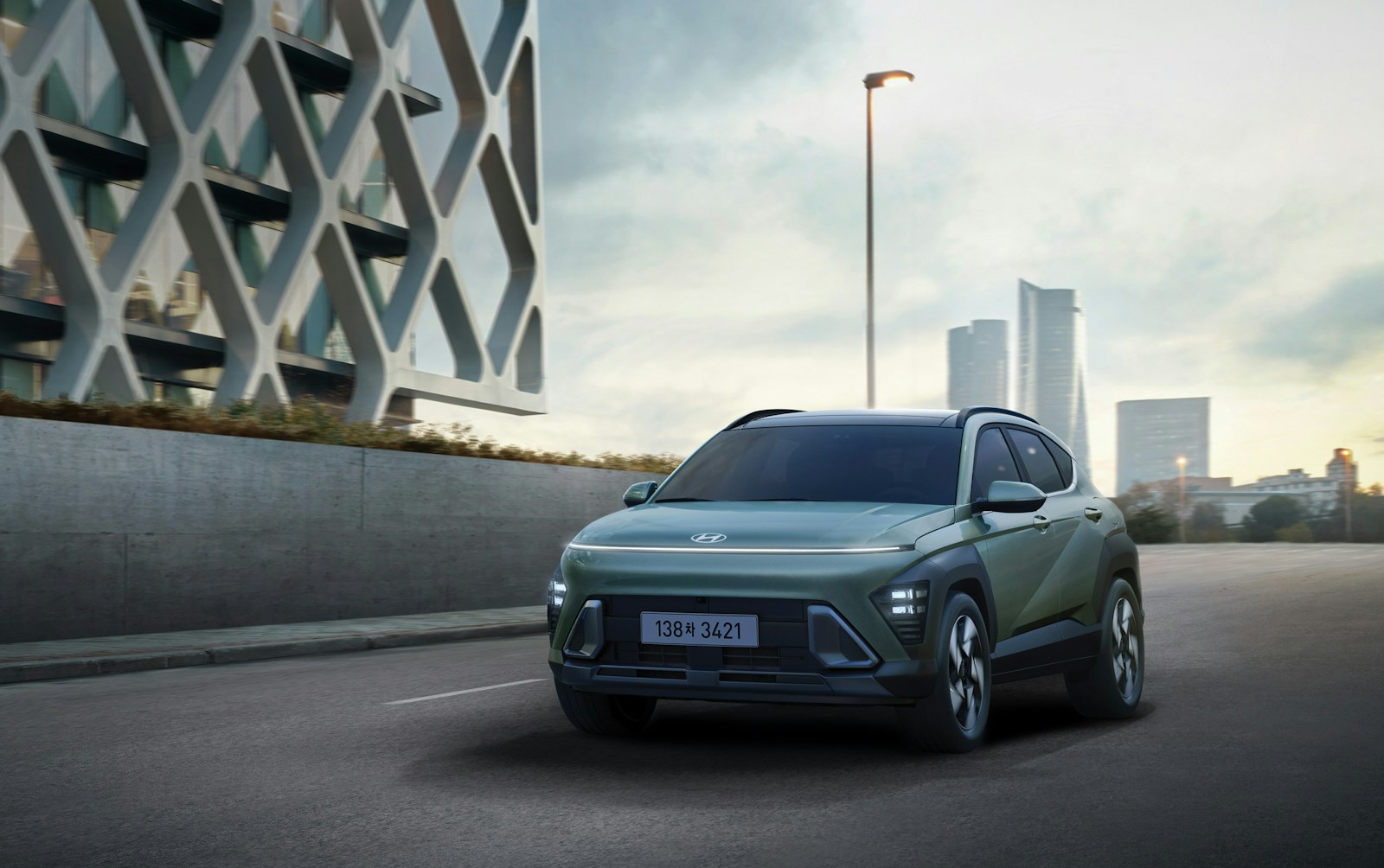

Electric vehicles have become increasingly accessible, with several affordable options now available for buyers who want to make the switch without breaking the bank. The current market offers eight electric vehicles starting under $40,000, ranging from the $29,280 Nissan LEAF to models like the Chevrolet Equinox EV and Hyundai Kona Electric that deliver over 250 miles of range.
The landscape has shifted considerably as automakers expand their electric lineups beyond luxury models. While some budget-friendly options like the Chevy Bolt have been discontinued, new entries have filled the gap with improved technology and competitive pricing. These vehicles offer practical daily driving solutions for commuters and families alike.
Federal tax credits and leasing incentives add another layer of complexity to the buying decision, potentially reducing costs significantly for qualified buyers. Understanding which models offer the best combination of range, features, and value helps buyers navigate this evolving market with confidence.

Top Electric Cars Under $40,000 in 2026
The affordable EV market has expanded significantly, with several compelling options now available that deliver solid range, modern features, and practical everyday usability. The Chevrolet Equinox EV starts at just under $35,000, while the redesigned Nissan Leaf has earned industry recognition for bringing genuine value to the segment.
Chevrolet Equinox EV and Why It Leads the Pack
The 2026 Chevrolet Equinox EV represents exceptional value in the affordable electric vehicle segment, starting at approximately $35,000. This pricing makes it one of the most accessible electric SUVs available.
The Equinox EV delivers an impressive 319-mile range on its base model, which exceeds many competitors in this price bracket. Chevrolet equipped the vehicle with a massive 17.7-inch center touchscreen that serves as the command center for infotainment and vehicle settings.
Family-friendly features include 38 inches of rear legroom and 26.3 cubic feet of cargo space behind the rear seats. When drivers fold the rear seats down, storage expands to 57.2 cubic feet. The front-wheel-drive base model produces 213 horsepower and 236 lb-ft of torque, providing adequate power for daily driving.
Safety technology comes standard with automatic emergency braking, lane keep assist, and automatic high beams. These features help the Equinox EV compete with more expensive models in terms of driver assistance capabilities.
Nissan Leaf and Its Value Proposition
The 2026 Nissan Leaf won CarBuzz’s Car of the Year award for delivering on the promise of an affordable, practical electric vehicle. Nissan priced the base model below $30,000, making it accessible without relying on government incentives.
The S+ trim level offers particularly strong value with 303 miles of range from its 75 kWh battery pack. This model uses a 214-horsepower motor that provides responsive acceleration for everyday driving situations. DC fast charging capabilities allow the battery to recharge from 10 to 80 percent in just 35 minutes.
The redesigned Leaf focuses on comfort and usability rather than sporty performance. Its low center of gravity contributes to stable handling characteristics, while the smooth power delivery makes merging and passing straightforward. Highway noise levels remain reasonable, making longer trips comfortable.
Nissan positioned the Leaf as proof that automakers can build affordable EVs profitably, challenging industry claims about the economics of budget-friendly electric vehicles.
Hyundai Kona Electric: Features and Practicality
The Hyundai Kona Electric delivers practical transportation in a compact crossover package. While specific 2026 pricing details vary by trim level, the Kona Electric typically positions itself competitively within the under-$40,000 segment for base configurations.
Hyundai’s approach with the Kona Electric emphasizes real-world usability with a focus on interior space efficiency. The vehicle offers adequate cargo room for grocery runs and weekend trips while maintaining a footprint that works well for urban parking situations.
Standard features include LED lighting, smartphone integration, and driver assistance technologies that were once reserved for premium models. The electric powertrain provides instant torque response that makes city driving enjoyable, with regenerative braking systems that help maximize range.
Range estimates on the Kona Electric vary by model year and battery configuration, but most versions provide enough capacity for daily commuting with charging flexibility through both Level 2 home charging and DC fast charging capabilities.
Tesla Model 3: Long Range and Tech Appeal
The Tesla Model 3 has historically set the benchmark for affordable electric sedans, though the Model Y now offers a Standard trim that sneaks into the $40,000 range at $39,990. This newer option brings Tesla’s technology and charging network access to budget-conscious buyers.
Tesla’s Supercharger network remains a significant advantage, providing reliable fast charging across the country. The company’s over-the-air software updates mean vehicles gain new features and improvements after purchase, adding long-term value.
The minimalist interior design centers around a large touchscreen that controls nearly all vehicle functions. Heated seats, heated steering wheel, and dual wireless charging pads come standard even on value-oriented trims. The 321-mile range on the Model Y Standard trim exceeds many competitors.
Performance remains respectable despite being the entry-level option, with the Model Y Standard achieving 0-60 mph in 6.8 seconds. While this sacrifices some features like second-row heated seats and ambient lighting, the core Tesla experience remains intact for buyers prioritizing range and charging infrastructure.
Key Features, Tax Incentives, and Ownership Experience
Electric vehicles under $40,000 now come with federal incentives that can reduce their effective price significantly, while offering DC fast charging capabilities and advanced safety technology that was previously reserved for luxury models. Understanding these financial benefits and technical features helps buyers make informed decisions about which affordable EV best fits their needs.
Federal Tax Credits and Dealer Incentives Explained
The 7,500 federal tax credit remains available for qualifying electric vehicles, though eligibility depends on where the vehicle was manufactured and assembled. The Chevrolet Equinox EV, Hyundai Kona Electric, and Volkswagen ID.4 all meet the North American assembly requirements to qualify for the full credit.
Buyers can now receive this incentive as a point-of-sale rebate through participating dealers, reducing the purchase price immediately rather than waiting until tax filing season. Some manufacturers also offer additional dealer incentives ranging from $500 to $2,000, which can stack with federal credits.
State and local incentives vary considerably by location. California offers up to $2,000 in additional rebates, while Colorado provides $5,000 for qualifying buyers. Many utility companies offer rebates of $250 to $500 for home charger installation, further reducing the total cost of EV ownership.
Charging Infrastructure and Fast Charging Speeds
DC fast charging has become standard on affordable EVs, with the Equinox EV offering 150 kW charging speeds and the ID.4 reaching 170 kW. These speeds allow drivers to add 150 to 180 miles of range in about 25 minutes at compatible charging stations.
The 65 kWh battery in the Equinox EV and similar-sized packs in competitors provide enough capacity for most daily driving needs. EPA range figures of 270 to 285 miles mean drivers can go several days between charges with typical commuting patterns.
Typical charging times (10-80%):
- Home Level 2 (240V): 6-8 hours
- DC fast charging: 30-40 minutes
- Public Level 2: 8-10 hours
Regenerative braking systems in these vehicles recover energy during deceleration, extending range by 10-15% in city driving. One-pedal driving modes allow drivers to control acceleration and most braking using only the accelerator pedal, making stop-and-go traffic less tiring.
Safety and Advanced Technology in Budget EVs
Automatic emergency braking comes standard on all three top models, with systems capable of detecting pedestrians, cyclists, and other vehicles. Lane keep assist helps prevent unintentional lane departures, while adaptive cruise control maintains safe following distances on highways.
The electric SUV segment under $40,000 offers better crash test ratings than comparable gas-powered vehicles, thanks to reinforced battery enclosures and lower centers of gravity. Both the Equinox EV and ID.4 earned five-star overall safety ratings from NHTSA.
Modern infotainment systems include wireless Apple CarPlay and Android Auto integration on 11-inch or larger touchscreens. Voice control allows drivers to adjust climate settings, navigate, and make calls without taking their hands off the wheel. The Kona Electric and ID.4 also offer over-the-air software updates that add new features and improve performance over time.
Performance specs like 0-60 mph times of 6.5 to 7.2 seconds put these affordable EVs ahead of many gas-powered competitors in their price range. The instant torque from electric motors makes merging onto highways and passing slower traffic effortless, while remaining smooth and quiet at all speeds.
More from Steel Horse Rides: