
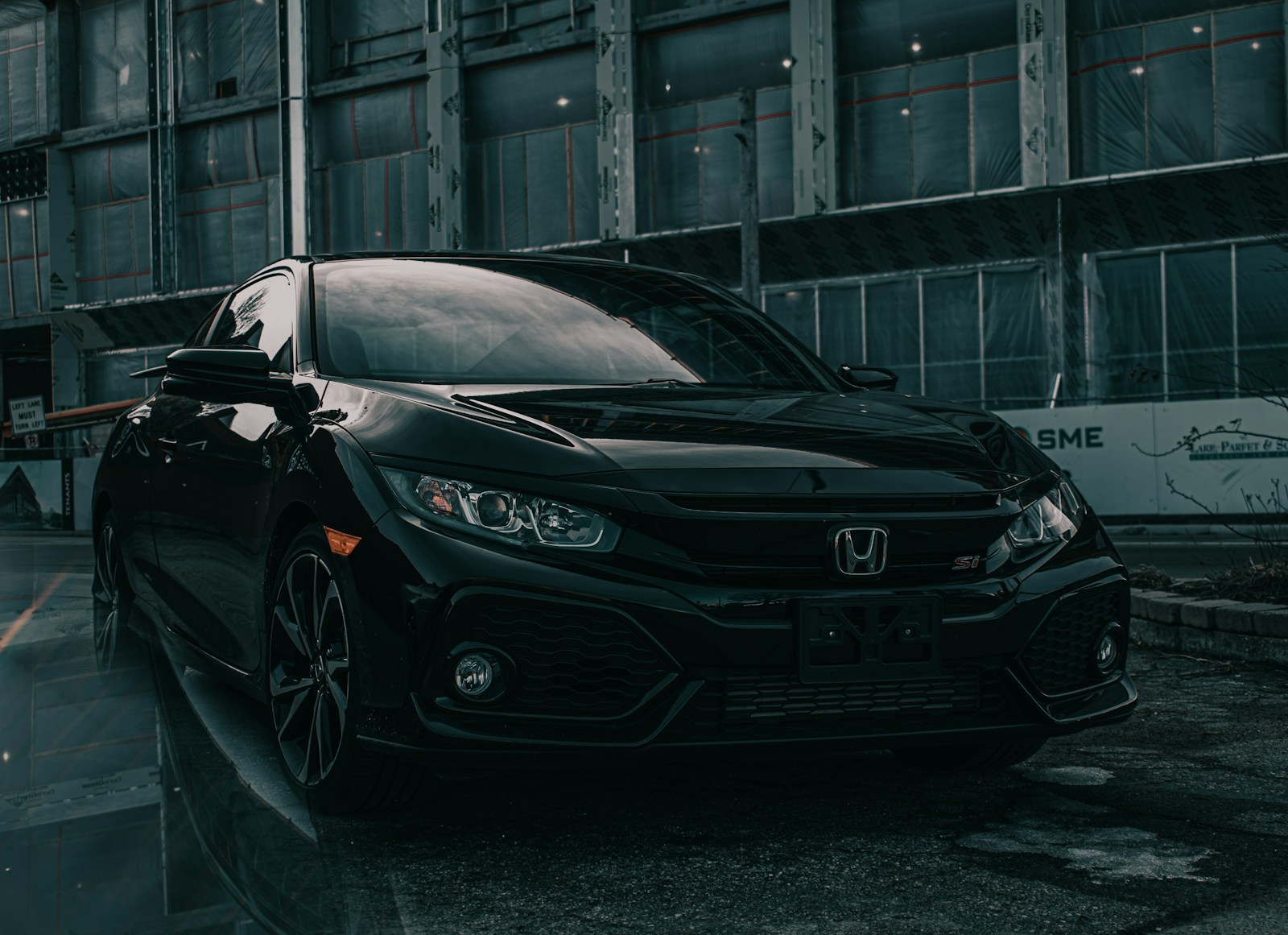

A 2026 Honda Civic will cost its owner $40,361 over five years once every real expense is counted — insurance, fuel, maintenance, repairs, financing, fees, and depreciation combined. That’s according to Kelley Blue Book’s 5-Year Cost to Own calculator, and it makes the Civic the cheapest mainstream new car in America to actually own right now — not just the cheapest to buy. The sticker price on a car has almost nothing to do with what it actually costs you, and the full math turns up a few surprises, including one badge that most people assume is the budget champion but isn’t even close anymore.
Key Points
- Honda Civic 2026 comes in cheapest overall at $40,361 for 5 years of ownership, per KBB.
- Insurance, not fuel or depreciation, is consistently the single largest line item across every model — often over 40% of out-of-pocket costs.
- The Nissan Versa, long assumed to be the industry’s budget king, actually costs $45,467 over 5 years — more than every car on this list.
- KBB’s Cost to Own figures include depreciation, financing, state fees, insurance, fuel, maintenance, and repairs — the same categories Edmunds’ True Cost to Own methodology tracks.
The methodology matters here as much as the numbers. Most “cheapest car” lists just compare sticker prices or fuel economy, which is why they’re misleading. KBB’s Cost to Own tool, a Cox Automotive analysis built on the same category framework Edmunds popularized with its own True Cost to Own studies, assumes 10,000-15,000 miles a year, factors a 60-month loan, and prices out insurance, fuel, maintenance, repairs, state fees, and financing on top of straight depreciation. Run all of that together and the ranking looks nothing like a list of low sticker prices.
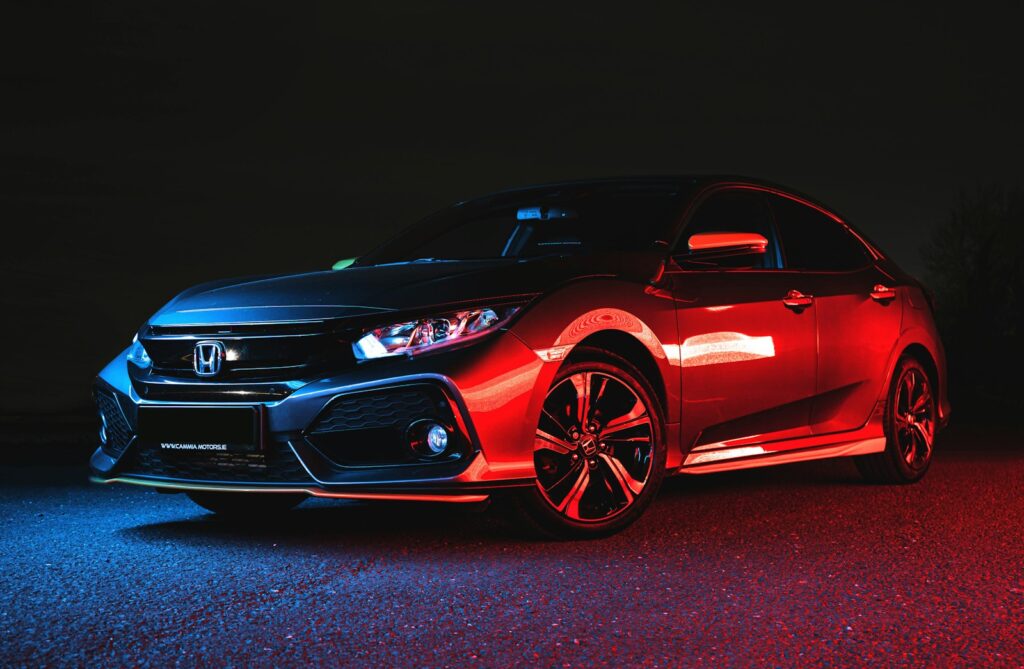
1. Honda Civic — $40,361
The Civic wins on the strength of its depreciation curve. KBB puts its 5-year value loss at just $10,354, the smallest of any car on this list, on top of $30,007 in out-of-pocket costs that include $12,815 in insurance, $6,053 in fuel, and $4,123 in maintenance. Reliability reputation does real financial work here — insurers and used-car buyers both price the Civic like a known quantity, which keeps both halves of the equation in check at once.
2. Toyota Corolla — $41,138
The Corolla comes in just $777 behind the Civic, per KBB’s breakdown, with the lowest projected depreciation of the entire field at $9,873 over five years. Where it loses ground is running costs: $6,358 in projected fuel and $12,750 in insurance narrowly outpace the Civic’s numbers in those same categories, enough to flip the overall ranking.
3. Chevrolet Trax — $41,433
The only crossover to crack the top three, the Trax proves body style isn’t destiny for ownership cost — its $41,433 total sits closer to the Civic than to most subcompact SUVs. Insurance runs $12,135 and fuel $7,342 over five years, both a bit higher than the sedans above it, offset by a repair-cost estimate that’s actually the lowest of the group at $1,849.
4. Hyundai Venue — $42,071
KBB’s data on the Venue shows the steepest depreciation of the top four at $11,334, which is what keeps it out of the top three despite a genuinely low repair estimate of just $680 — the cheapest projected repair bill on this entire list. Insurance costs match the Civic almost exactly at $12,815.
The budget-king reputation that doesn’t hold up
Here’s the surprise: the Nissan Versa, the car most people would guess is the industry’s rock-bottom cheapest option, actually costs $45,467 over five years — more than $5,000 above the Civic and worse than all four cars ranked above it. KBB’s data shows the Versa’s insurance ($12,750) and fuel costs ($10,714) both run high relative to its class, and its low sticker price doesn’t offset either one. A near-identical pattern shows up in independent research from CarEdge, whose own 2026 ownership-cost projections put a Toyota Corolla Hatchback at the very top of the affordability list — reinforcing that Toyota and Honda’s reliability edge, not MSRP, is what’s actually driving these rankings.
The pattern across every model here is the same one: insurance is the expense nobody budgets for and the one that ends up deciding the ranking. A car that’s a few hundred dollars cheaper to buy but a few thousand dollars more expensive to insure isn’t actually the cheaper car — it just looks that way on the day you sign the paperwork.