
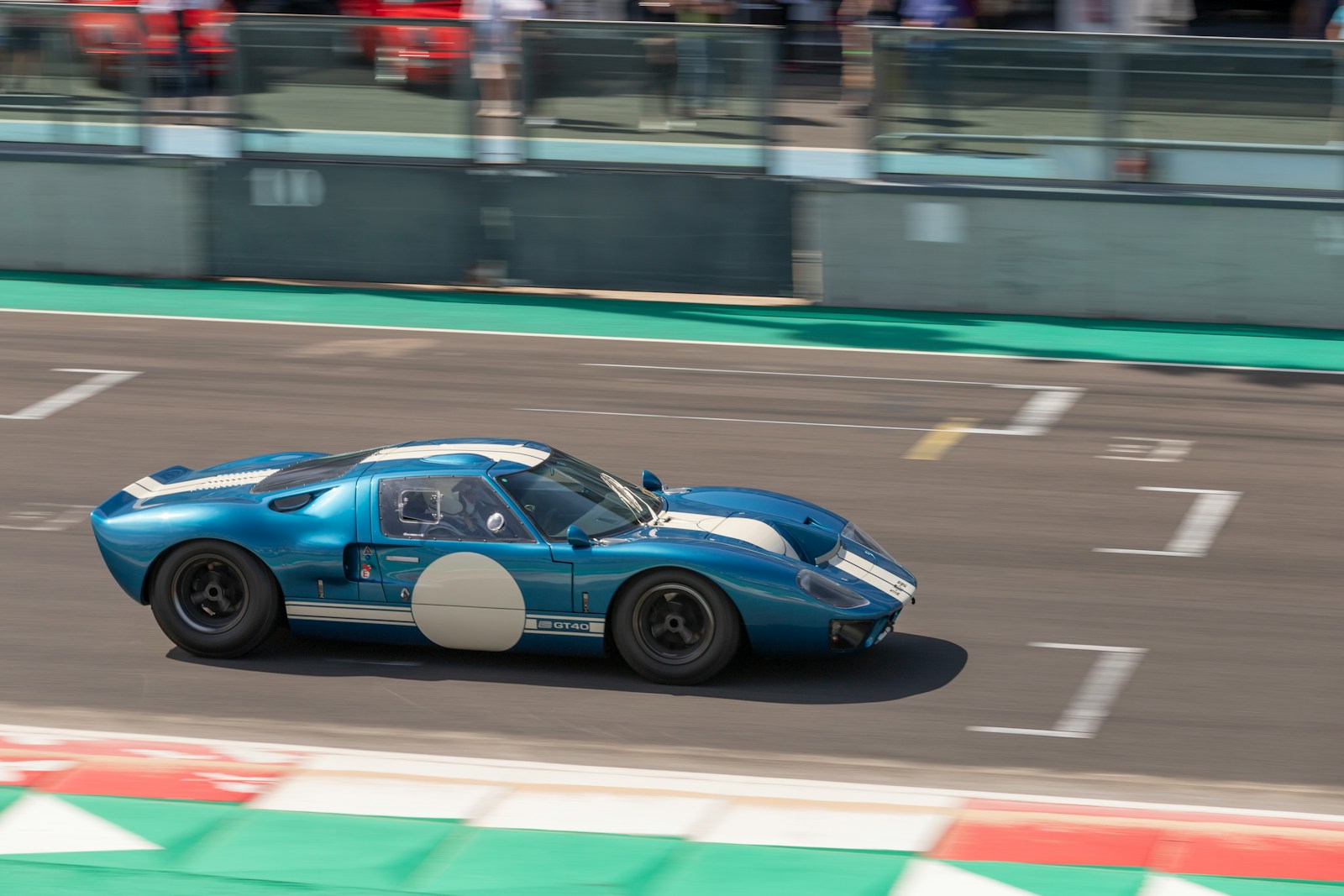

When Audi unveiled the TT concept at the 1995 Frankfurt Motor Show, the production version that reached showrooms three years later was close enough that, in Audi’s own words, “not much had changed from the concept to production model.” That’s a rare admission in an industry where concept cars are usually a wish list that gets watered down by the time accountants and crash-test engineers get involved. A handful of concepts over the decades have actually made it to the dealer lot nearly intact — here’s how close the promise and the delivery really were.
Key Points
- Audi’s own design team says the 1995 TT concept and the 1998 production TT changed remarkably little in the transition to showrooms.
- Ford announced a production version of the 2002 Ford GT40 concept just 45 days after the concept’s public debut.
- The 2006 Chevrolet Camaro concept and the 2010 production car shared the same long hood, flat front, and side “gill” details, according to GM’s own description at launch.
- The 1989 Dodge Viper concept’s minimalist formula — big V10, six-speed manual, snap-in windows, no ABS — carried essentially unchanged into the 1992 production RT/10.
Audi TT: concept to production, almost frame for frame
The TT Coupé concept debuted at the IAA in Frankfurt in the fall of 1995, and Audi greenlit series production shortly after. According to Audi’s own history of the car, exterior designer Torsten Wenzel recalled that the wider industry recognized “not much had changed from the concept to production model” when the finished TT arrived at Audi’s Győr, Hungary plant in 1998. The single significant change Audi’s own account cites: engineers had to add a proper rear side window, which stretched the greenhouse and made the finished car look sportier than the original show car — everything else, from the round-tube design language to the minimalist cabin, carried straight through.
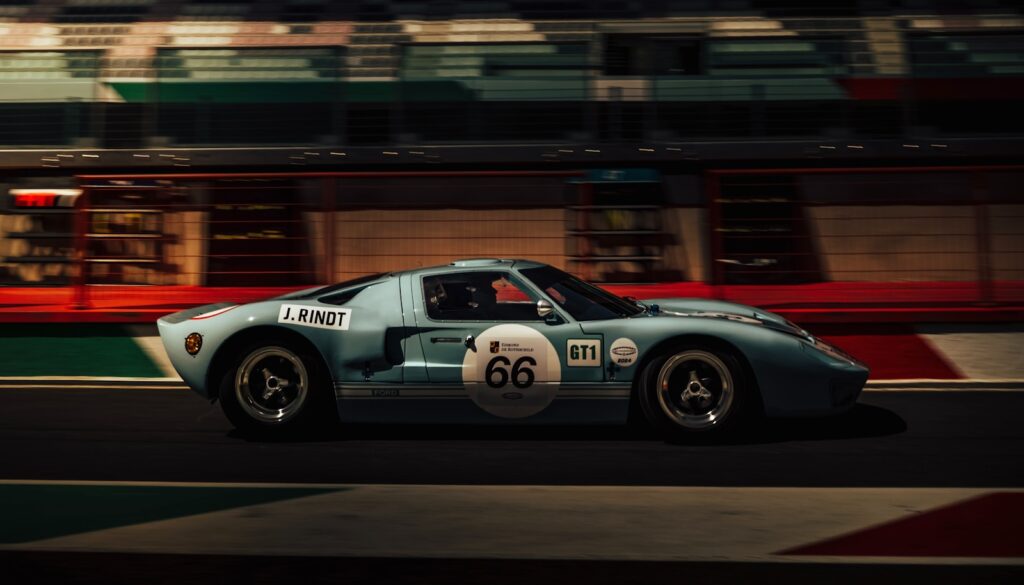
Ford GT40 concept: greenlit in 45 days
Ford’s GT40 concept dropped at the 2002 North American International Auto Show packing a supercharged 5.4-liter V8 rated at more than 500 horsepower and 500 lb-ft of torque, and the low-slung silhouette — mid-engine proportions, long front overhang, doors that cut up into the roofline — was designed specifically to honor the original 1960s Le Mans-winning GT40. Ford’s design team’s own stated brief was blunt: “if you’re doing a GT40, it had better look like a GT40.” Just 45 days after the concept’s public debut, Ford confirmed a production version was in the works, and the production Ford GT that reached buyers for the 2005 model year kept every one of those defining silhouette cues intact.
Chevrolet Camaro: concept and production, four years apart
GM revealed the fifth-generation Camaro concept in January 2006 at the Detroit auto show, and confirmed a production version was coming as early as 2008 at a Traverse City industry conference the same month, according to contemporary NBC News coverage. When the production 2010 Camaro finally debuted, GM’s own description of the finished car pointed straight back to the concept: “a long, flat front and side ‘gills’ that evoke the original, while still sporting a modern overall design,” per NBC News’s report on the launch. The four-year gap between concept and dealer lot is longer than most of the cars on this list, but the design continuity held up the whole way through.
Dodge Viper: no compromises, on purpose
The Viper concept debuted January 11, 1989, at the Detroit auto show as a deliberately raw statement — no roof, no exterior door handles, “just an engine and a chassis wrapped in dramatic sheetmetal,” inspired directly by the original Shelby Cobra. What’s unusual is how little of that got softened for production. The 1992 Viper RT/10 kept the 8.0-liter naturally aspirated V10, the six-speed-manual-only gearbox, rear-wheel drive, snap-in side curtains instead of roll-up windows, a manually operated canvas top, and — at launch — no traction control or anti-lock brakes at all. Where most concept-to-production stories are about what got cut, the Viper’s story is about how much a low-volume halo car could get away with keeping.
Volkswagen’s New Beetle: the second concept was the real preview
Volkswagen’s Concept 1 debuted at the Detroit Motor Show in January 1994, built on a small Polo platform that VW’s own Classic Parts history of the car says drew a “build it, build it” reaction from the show crowd. But that first concept wasn’t actually what reached production — VW showed a revised concept in Tokyo in October 1995, 24 centimeters longer and built on the larger Golf platform, that VW’s own chief designer said had “matured more into a car” and lost some of the original’s toy-like proportions. That second, revised concept is what the 1998 production New Beetle actually tracked to, and several of its signature details — the central round instrument cluster, the loop door handles on the B-pillar, the flower vase on the dash — survived every step of that process into the cars VW actually sold.
What ties these five together isn’t luck — it’s that each one came from a manufacturer willing to treat the concept as the actual product plan rather than a marketing exercise, and green-light tooling and engineering before the design got watered down by committee. That’s rarer than it sounds; for every TT or Viper that made it to the showroom nearly intact, there are dozens of show-stopping concepts that quietly vanished the moment the crash-test and cost-accounting teams got involved.