
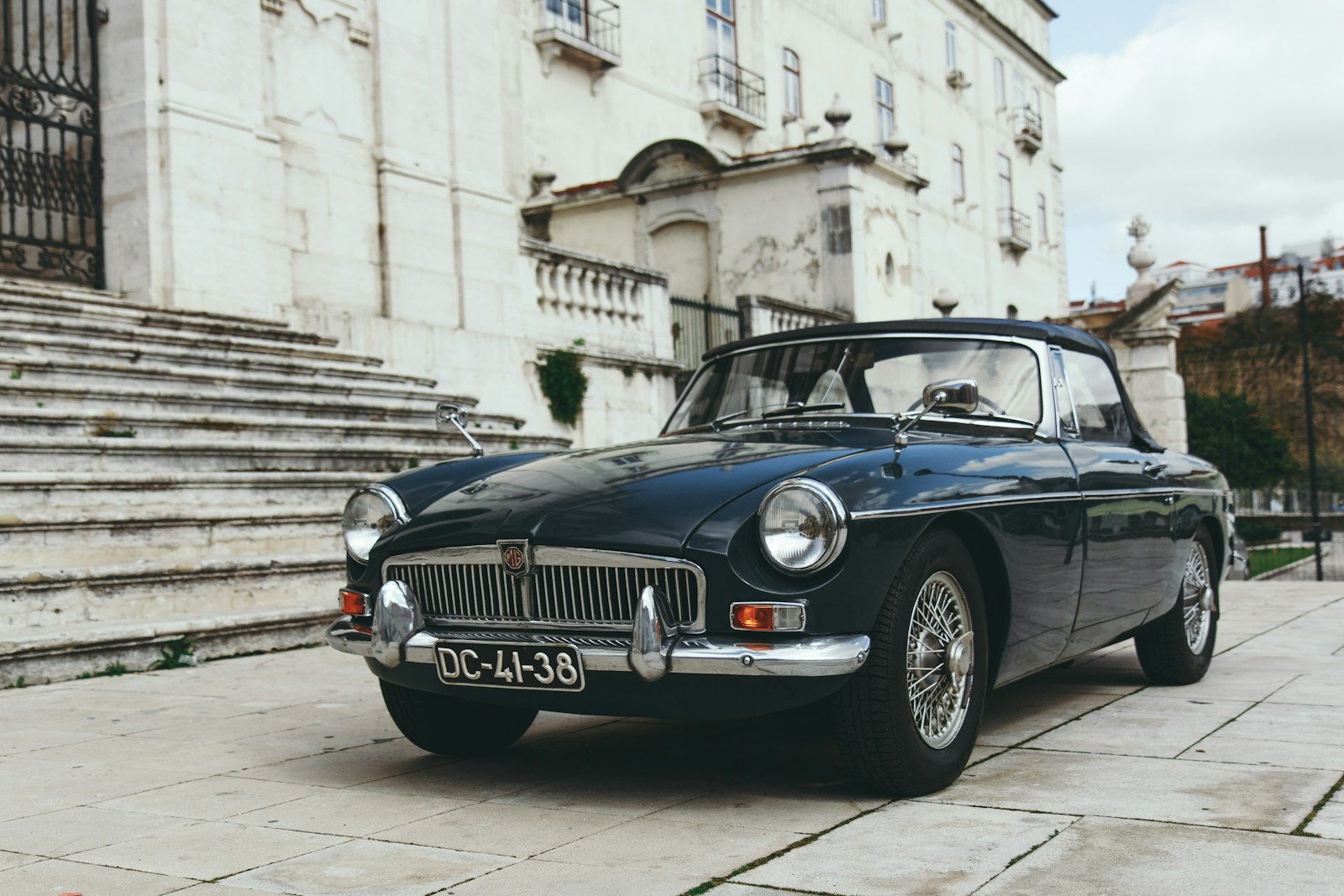

In 2020, the average model year of a vehicle that sold for $1 million or more at auction was 1972. This year, that average has jumped to 1984 — over a decade newer in just five years, according to Hagerty senior information analyst Adam Wilcox, writing on Hagerty’s own market-analysis site. The decade collectors are chasing hardest right now isn’t the 1960s muscle-car golden age — it’s the 1980s and 1990s.
Key Points
- The average model year among $1 million-plus auction sales moved from 1972 in 2020 to 1984 today, per Hagerty’s own data.
- Hagerty predicts seven of the year’s top 10 collector-car sales will come from post-1990 vehicles.
- Gen X buyers — now roughly 45 to 60 years old — represent 33% of new vehicle purchases and 40% of used-vehicle purchases nationally.
- Meanwhile, the broader Hagerty Hundred index of blue-chip classics has fallen from a peak above $50,000 in May 2022 to $43,408 today.
Why the shift is happening now
The math is generational. Gen X buyers are currently in their peak earning and collecting years, and the cars they lusted after as teenagers and young adults weren’t split-window Corvettes — they were Japanese sports coupes, Fox-body Mustangs, and turbocharged imports from the 1980s and ’90s. Nationally, Gen X now accounts for 33% of new-vehicle purchases and 40% of used-vehicle purchases, a buying-power share that’s steadily bleeding into the collector market as those same buyers reach the point in life where a garage toy is affordable. Baby Boomers, who built the market for pre-1970s American classics, still account for a larger 36% of new purchases overall, but their collecting appetite has been the demographic anchoring the older end of the market for two decades — and that anchor is aging out.
Post-1990 cars are taking over the top sales
Hagerty’s own 2026 market predictions expect seven of the year’s top 10 highest auction sales to be post-1990 vehicles — a lineup the analysis names as leaning heavily on modern hypercars and late-model exotics rather than pre-war or golden-era classics. That’s a striking flip from a market that, even a decade ago, was still dominated at the top end almost exclusively by pre-1970s European and American classics.
The ’90s JDM and analog-supercar wave
Two names show up repeatedly in Hagerty’s own 2026 forecasting as demand barometers for this newer collecting wave: the 1998-2002 Nissan Skyline R34, the Japanese performance icon that only became legally importable to the U.S. in meaningful numbers over the past several years, and the Lexus LFA, the hand-built, V10-powered 2010-2012 supercar Toyota built in tiny numbers and which Hagerty’s analysts expect to keep setting new price records. Neither car existed when the collector-car hobby’s traditional benchmarks — Duesenbergs, split-window Corvettes, Hemi Cudas — were setting the market’s tone. Both now sit near the front of where serious money is flowing.
Even 2010s cars are already “collector” cars
The clearest sign of how far forward the market has moved: a 2015 Lamborghini Veneno set a $6 million online auction record, per Hagerty’s own reporting, and the firm’s analysts think an eight-figure online sale is plausible in 2026. A car built within the last decade commanding numbers once reserved for pre-war coachbuilt classics would have been unthinkable in the hobby even 10 years ago.
The rest of the market is cooling as this segment heats up
The shift toward newer metal is happening against a broader market that’s actually softening. The Hagerty Hundred — a weighted-average condition #2 value tracking the 100 most-insured vehicles in Hagerty’s own database — peaked above $50,000 in May 2022 and has since drifted down to $43,408, with Hagerty’s own analysts forecasting it could fall below $41,000 before 2026 is out. That’s not a market in freefall; it’s a market rotating. Money isn’t leaving collector cars, it’s moving out of the segment that made up the old guard’s Hagerty Hundred and into the ’80s-and-’90s-era cars a younger, wealthier cohort of buyers actually grew up wanting.
None of this means pre-1970s classics are becoming worthless — a genuinely rare Ferrari or Duesenberg will always find a buyer. But the fastest-growing demand curve in the hobby right now belongs to the cars that were dashboard posters for Gen X, not their parents, and the auction data backs that up in hard numbers rather than nostalgia.