
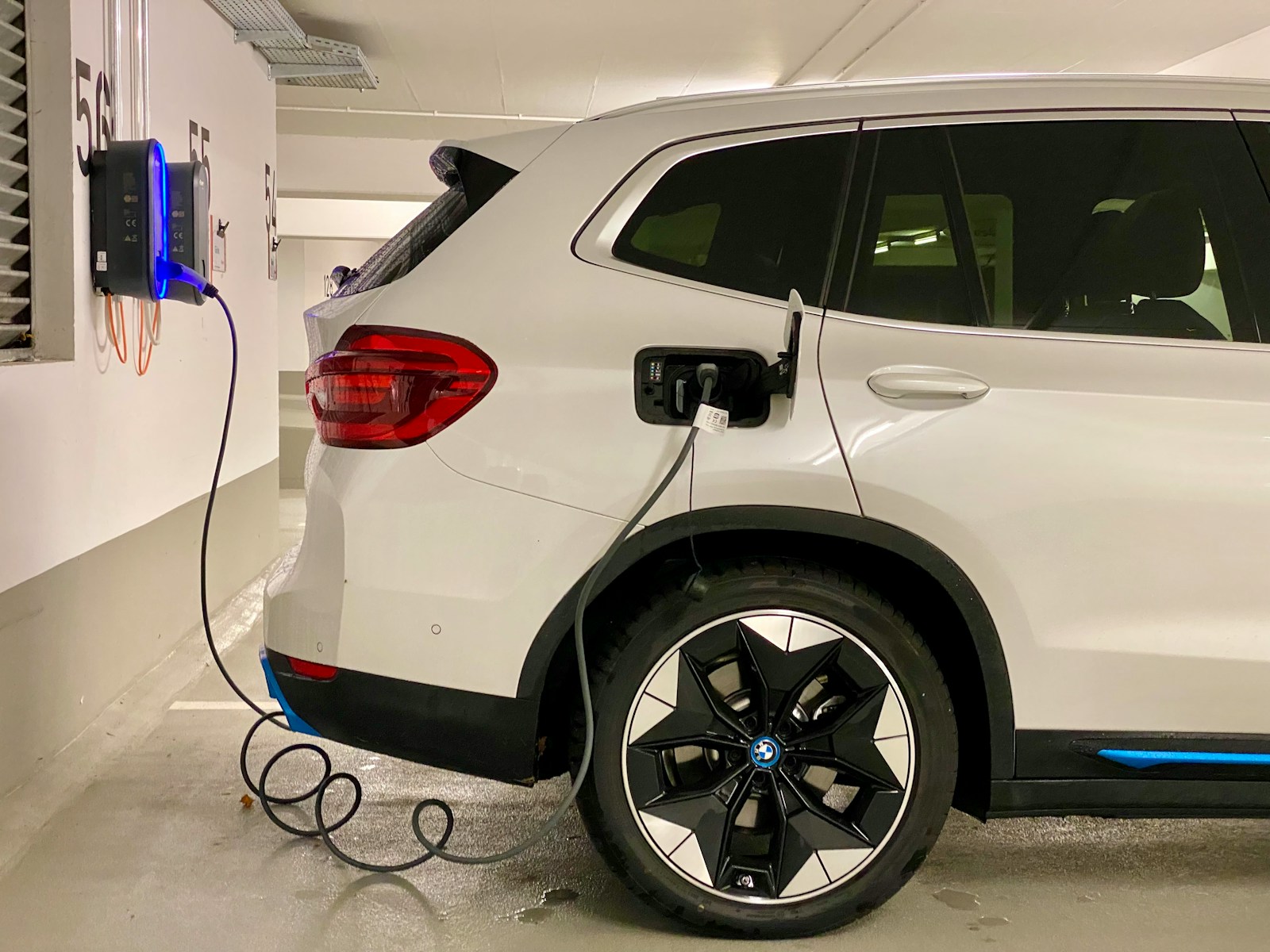

“Free” is doing a lot of work in every automaker’s home-charger pitch right now. Ford’s Power Promise offers a complimentary charger and installation with a new EV purchase. Chevrolet bundles a standard install into the deal too. But read the actual terms and conditions instead of the ad copy, and the coverage stops well short of what a lot of houses actually need. A full panel replacement alone runs $518 to $2,192 on average nationally, according to Angi’s 2026 electrical panel cost data, and that’s before you add the wiring, permitting, and labor a real EV-ready upgrade requires. For a lot of buyers, that’s the bill nobody mentioned at the dealership.

What the “Free” Offer Actually Covers
Chevrolet’s published terms spell out the boundary precisely. The complimentary standard installation covers a NEMA 14-50 outlet, a new 40-amp breaker in the existing panel, code-compliant wiring, weatherproofing, and permit fees, full stop. Panel replacement or upgrades beyond that single new breaker are explicitly the customer’s responsibility, and so is wiring run through finished walls, trenching for detached garages, and swapping out obsolete breaker brands like Zinsco or Federal Pacific. Customers who take Chevrolet’s cash-credit option instead of the in-kind install are capped at $1,000 toward installation and $250 toward permitting, and anything above that comes out of pocket. Ford’s charging page is vaguer but points the same direction, telling buyers that final installation cost “depends on several factors, including… your home’s unique needs like your home’s electrical capacity,” which is corporate language for: if your panel can’t handle it, that’s on you.
Where the Real Bill Starts: The Panel
A Level 2 home charger typically wants a dedicated 40- to 60-amp, 240-volt circuit, and installers generally like to see a 200-amp main panel to support that load alongside the rest of a house’s electrical demand, according to charging-installation network Qmerit, which handles installs for several automaker programs including GM’s. Houses built with 100-amp service, and older homes still running 1970s-era 30-amp service, frequently can’t absorb a new 40-amp circuit without an upgrade first. Qmerit puts the cost of that panel swap specifically in the context of EV charging at $1,300 to $3,000. Angi’s broader panel-replacement data lines up with that range and shows how fast it can climb: a straightforward panel swap averages $1,346, but projects that involve relocating the panel or expanding amperage capacity can run as high as $4,500 once labor, permits, and drywall repair are added in.
How Fast the Extra Costs Stack
Line up the pieces and the math gets uncomfortable fast for a buyer who budgeted zero dollars for charging. Angi breaks out labor alone at $50 to $150 per hour, with a typical panel job running 20 to 30 hours of work: $1,000 to $4,500 in labor by itself, before parts. Permits run another $50 to $300. If the wiring between the new panel and the charger has to be pulled through finished drywall, Chevrolet’s own terms flag that as extra cost outside the standard package, and Angi prices drywall repair separately at $1.50 to $3 per square foot. None of these are outlier scenarios dreamed up to scare buyers; they’re the routine line items electricians bill on panel-upgrade jobs every week, whether or not there’s an EV charger attached to the job.
Who Actually Needs to Worry
Not every buyer eats this cost. A house built in the last 15 years with a 200-amp panel and some breaker slots to spare can often get the standard install and never see a panel invoice. The risk concentrates in older housing stock: pre-1990s construction, homes that added central air or a hot tub without ever upgrading service, and anywhere the panel is already crowded with double-tapped breakers. That’s a meaningful share of the used-housing market in most American cities, which means a meaningful share of new EV buyers. Automakers aren’t hiding the exclusion (Ford’s and Chevrolet’s own program pages disclose it in plain enough language), but “complimentary installation” printed in a sales brochure and “your panel needs $2,000 to $4,500 of work first” delivered by an electrician on install day land very differently.
The gap between the marketing language and the electrician’s invoice isn’t a scam, it’s a scope limitation buried in terms and conditions most buyers never read before they sign for the car. The fix is simple and unglamorous: get a licensed electrician to look at the panel before you order the EV, not after the charger shows up.