
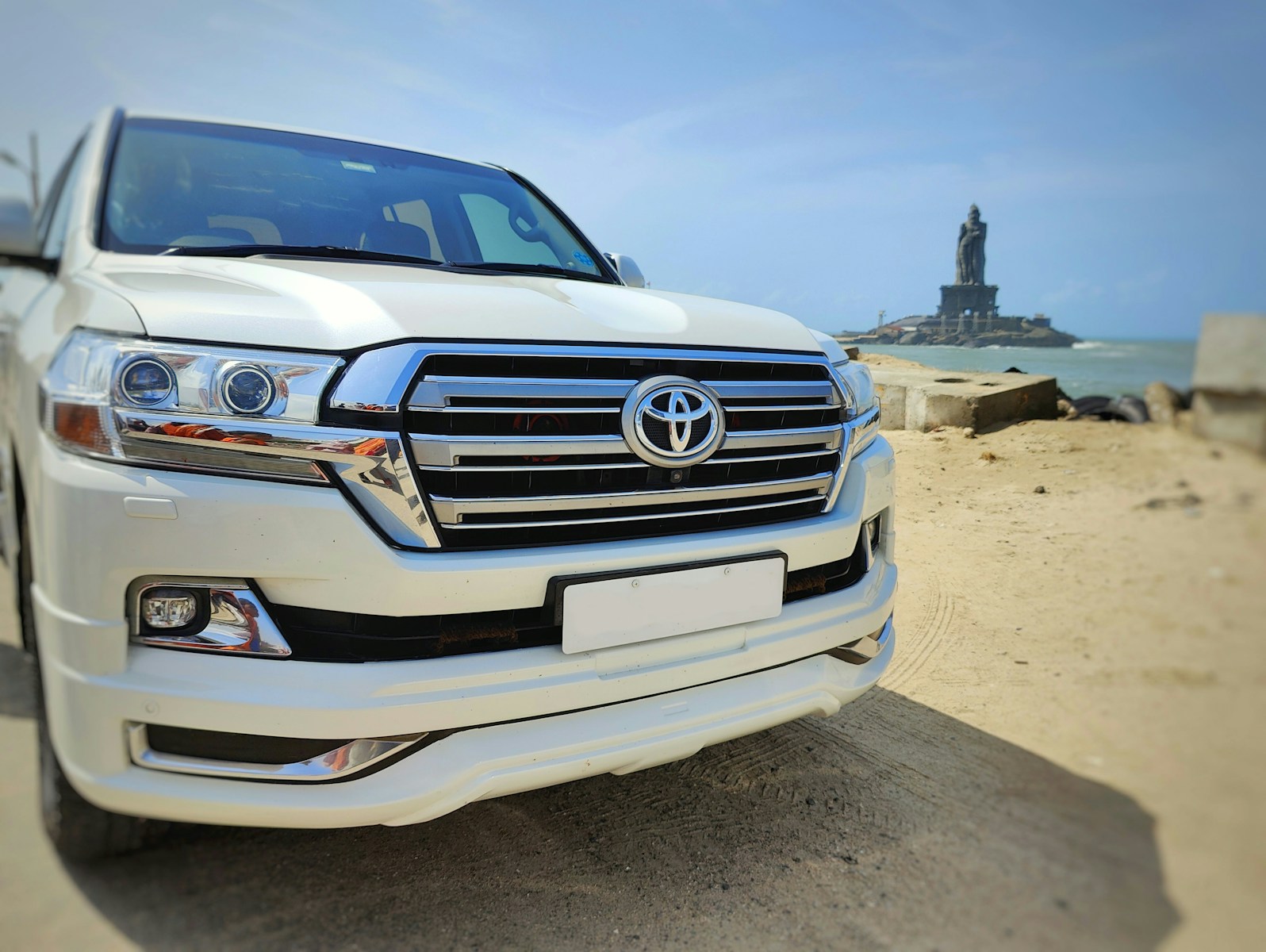

Toyota’s own Land Cruiser, a nameplate built over seven decades on a reputation for mechanical bulletproofness, currently carries a worse-than-average predicted reliability score from Consumer Reports, driven by brake, transmission, and infotainment complaints on its all-new turbocharged hybrid generation. Meanwhile Land Rover, a brand that finished dead last among 33 automakers in a past J.D. Power dependability study, has redesigned the Defender so recently that Consumer Reports still doesn’t have enough owner data to rate it at all. Two legendary off-road nameplates, two completely different relationships with the word “reliable,” and the survey data behind both tells a more interesting story than either brand’s marketing does.
The New Land Cruiser Is Struggling Exactly Where Its Reputation Says It Shouldn’t
Consumer Reports’ verdict on the reborn 2025 Land Cruiser is blunt: the model is rated less reliable than other cars from the same model year, based on subscriber survey data spanning roughly 380,000 vehicles across 20 trouble categories. Owners reported brake issues including squealing and premature pad wear, along with problems in engine electrical systems, transmission behavior, in-car infotainment, and climate control. The current generation also carries three active recalls covering instrument panel display failures, incorrect weight capacity labeling, and rearview camera freezes. This is a nameplate whose entire global reputation was built on the opposite promise, and the friction is coming specifically from the new turbocharged hybrid powertrain and its supporting electronics rather than from the parts of the truck Land Cruiser has always been trusted for, the frame, axles, and low-range transfer case.
That break from form is recent, not a slow decline. The naturally aspirated V8 Land Cruiser that Toyota sold in the U.S. through the 2021 model year never carried a reliability score this weak, and the nameplate spent decades as a fixture near the top of dependability rankings precisely because it avoided exactly the kind of complex, electronics-heavy powertrain now drawing complaints. The current generation’s turbocharged hybrid setup, sold globally as the i-Force Max, is a genuinely different engineering approach layered onto a badge that built its entire identity on the old approach, and the survey data is picking up that seam directly.
Land Rover’s History Is the Opposite Problem: Too Much Data, Not Too Little
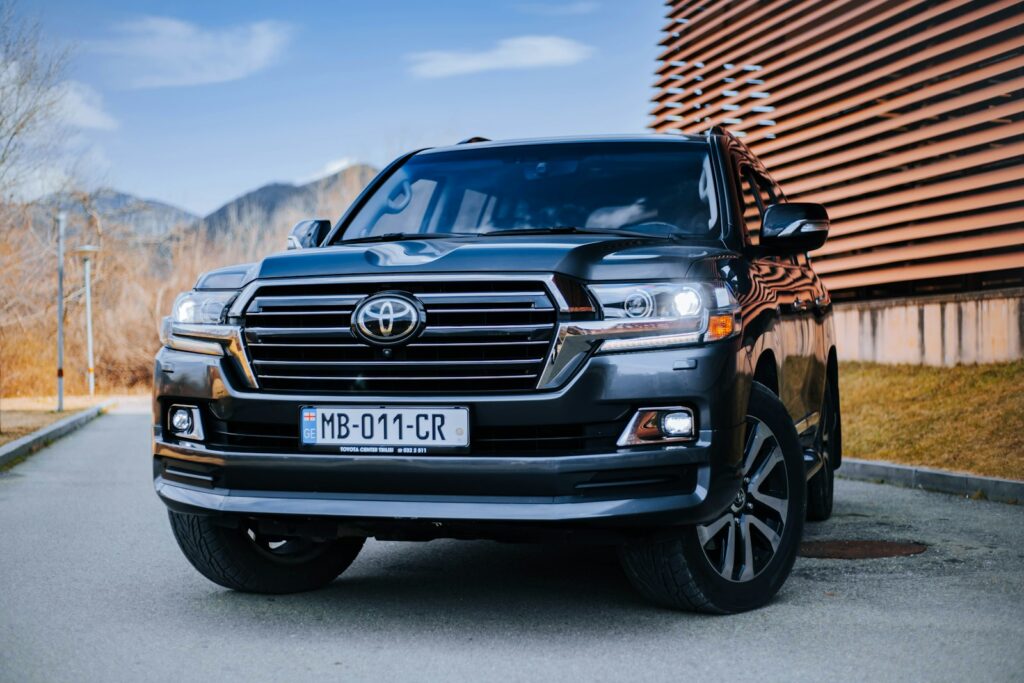
Land Rover doesn’t have a data-scarcity problem historically, it has the opposite one. Coverage of a past J.D. Power Vehicle Dependability Study, which surveyed more than 33,000 verified owners of three-year-old vehicles, found that Land Rover finished dead last among all 33 automakers ranked, logging 244 problems per 100 vehicles, the worst mark in the entire study while Lexus topped the same ranking. That result covered older Defenders and Discoverys built before Land Rover’s most recent unibody redesign, but it’s the reputation baseline every current Land Rover owner is buying into, fairly or not. It’s also precisely why Consumer Reports treats the brand’s newest products cautiously: with a documented history like that on file, a lack of complaints on the new Defender reads less like proof of a fixed problem and more like a sample size too small to trust yet.
Toyota’s Brand-Wide Numbers Still Dwarf Land Rover’s
Zoom out from the Land Cruiser specifically and Toyota’s overall dependability record remains the industry standard. J.D. Power’s 2024 U.S. Vehicle Dependability Study release ranked Toyota highest among mass-market brands at 147 problems per 100 vehicles, and the brand collected more model-level segment awards than any other manufacturer that year. That context matters: the new Land Cruiser’s rocky start is a genuine data point, not a brand-wide collapse. Toyota is clearly willing to accept a reliability hit on one flagship model in exchange for modernizing it with a turbocharged hybrid powertrain, betting that the rest of its lineup’s dependability track record buys it the benefit of the doubt while the new engineering gets sorted out.
Two Different Bets on What “Durable” Means
The two nameplates aren’t just different trucks, they represent different philosophies about how off-road durability gets earned. Toyota’s approach has historically meant under-engineering complexity: simpler powertrains, mechanical parts over electronic ones, and long production runs with minimal changes, a formula the new turbo-hybrid Land Cruiser is visibly straining against as Toyota adds complexity for efficiency and power. Land Rover’s approach has always run the opposite direction, packing in independent air suspension, terrain-response electronics, and luxury features that a Land Cruiser never bothered with, and paying for it in decades of dependability surveys. The current data suggests both companies are still living with the consequences of those choices: Toyota’s newest flagship is finally catching some of the complexity-driven problems Land Rover has dealt with for years, while Land Rover’s newest Defender is the first real chance in decades for the brand to prove its dependability reputation no longer applies.