

Car flipping content built around a complete buy-repair-resell cycle has become its own genre, and @tyautoinvestments delivers a clean example of it with 1.1 million views. The video opens the moment a tip comes in about a damaged BMW, follows the flipper racing to secure the deal, and then documents the cleaning and repair work that turns the car into a profitable resale.
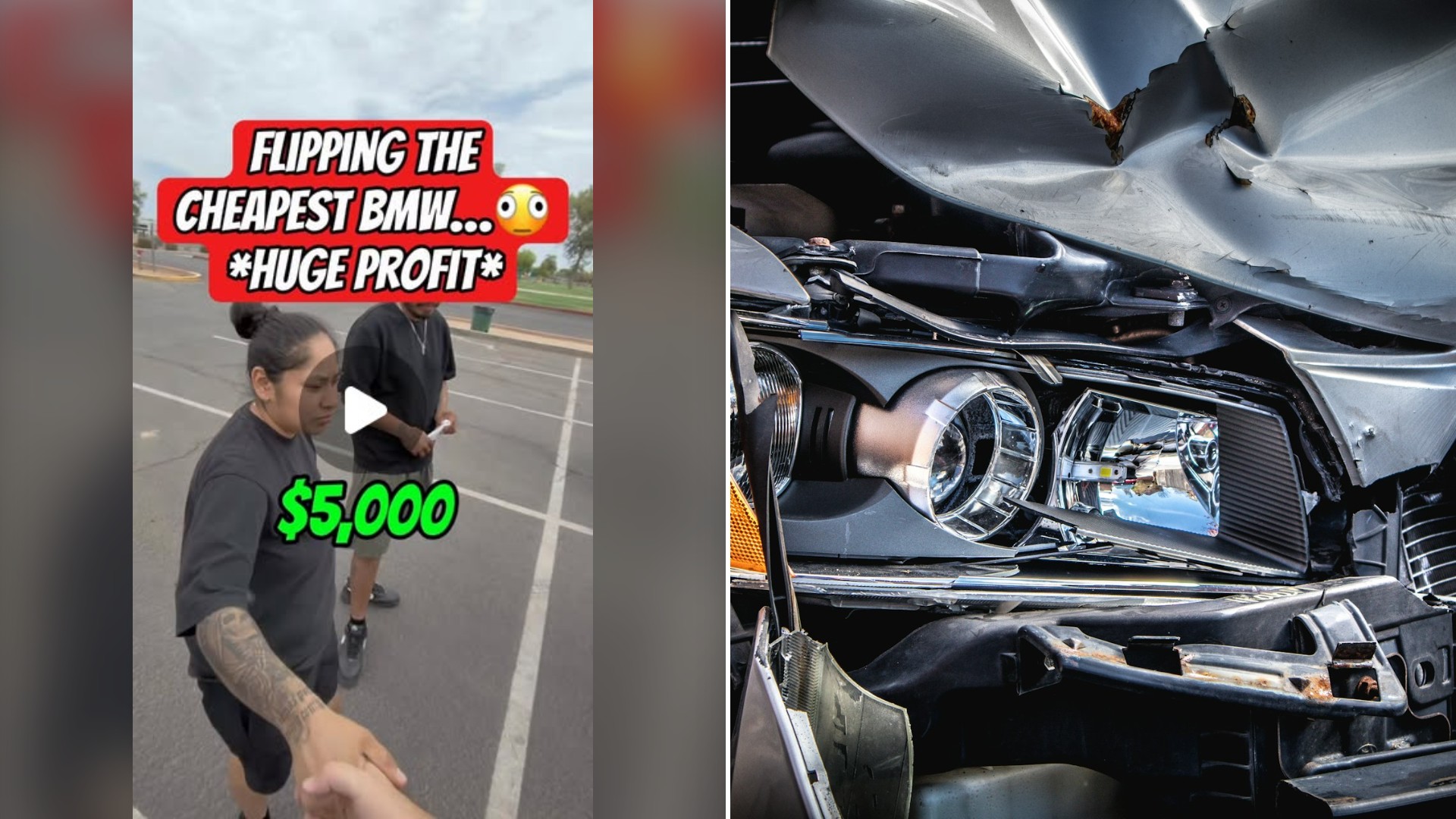
What keeps viewers watching start to finish is the built-in financial payoff: unlike a pure build or repair video, a flip has a clear scoreboard, and the audience sticks around specifically to see the final numbers.
Car flipping as a side hustle has grown substantially alongside the rise of marketplace apps and group chats that let deal tips spread fast, but the margins involved are tighter and riskier than the highlight reels usually suggest. A damaged vehicle bought below market value needs the eventual repair and cleaning costs subtracted from the resale price before any real profit exists, and flippers who skip a careful cost estimate before buying are the ones most likely to end up with a car that simply isn’t worth fixing.
Speed is often as important as price in this kind of deal, which is exactly why the “hot tip” moment matters so much to the format. A genuinely underpriced damaged vehicle rarely stays listed for long once word gets out, particularly in active flipper networks and marketplace groups where dozens of buyers may be watching the same listings. Being first to show up with cash in hand is frequently the deciding factor in whether a deal closes at all, which is why experienced flippers tend to keep financing pre-arranged and transportation ready before a tip even comes in.
On the repair side, the single biggest factor separating a profitable flip from a losing one is usually diagnosing the full scope of damage correctly before committing to the purchase. A vehicle with visible cosmetic damage, like scraped paint or a dented panel, is often straightforward to estimate. But damage from a prior accident or mechanical neglect can hide secondary problems — a bent subframe under a dented bumper, or electrical issues triggered by water intrusion — that only surface once repair work is already underway, which is why many experienced flippers build a contingency buffer of 15 to 20 percent above their initial repair estimate into their math before ever making an offer.
Detailing and cleaning, often treated as an afterthought compared with mechanical repairs, actually plays an outsized role in how quickly a flipped car sells and at what price. A thorough interior detail and paint correction can meaningfully shift a buyer’s first impression, and that first impression often determines whether a listing gets serious offers within days or sits unsold for weeks while the flipper continues paying for storage, insurance, and opportunity cost on the capital tied up in the car.
Title and paperwork handling rounds out the less glamorous side of flipping that rarely makes it into a highlight video. A car bought with a rebuilt or salvage title needs that status disclosed honestly to the next buyer in most states, and skipping that disclosure — even unintentionally — can expose a flipper to legal liability down the road. Keeping clean records of the purchase price, parts, and labor invested isn’t just good bookkeeping; it’s also the only way to actually know, rather than guess, whether a given flip was worth the time and risk involved.
More from Steel Horse Rides
- A Truck Flipper Was Mid Inspection On A Suspicious Facebook Marketplace Truck When It Suddenly Started Smoking And Leaking Fluid All Over The Parking Lot
- A Buyer Risked Five Hundred Dollars On A Mercedes GL450 Worth Close To Fifteen Thousand Dollars And Is Revealing Every Hidden Mechanical Flaw One By One
- A Weekly Bank Repo Auction Just Sold An Entire Running Car For Only Three Hundred And Fifty Dollars And The Crowds Reaction Says Everything About How Shocked They Were