
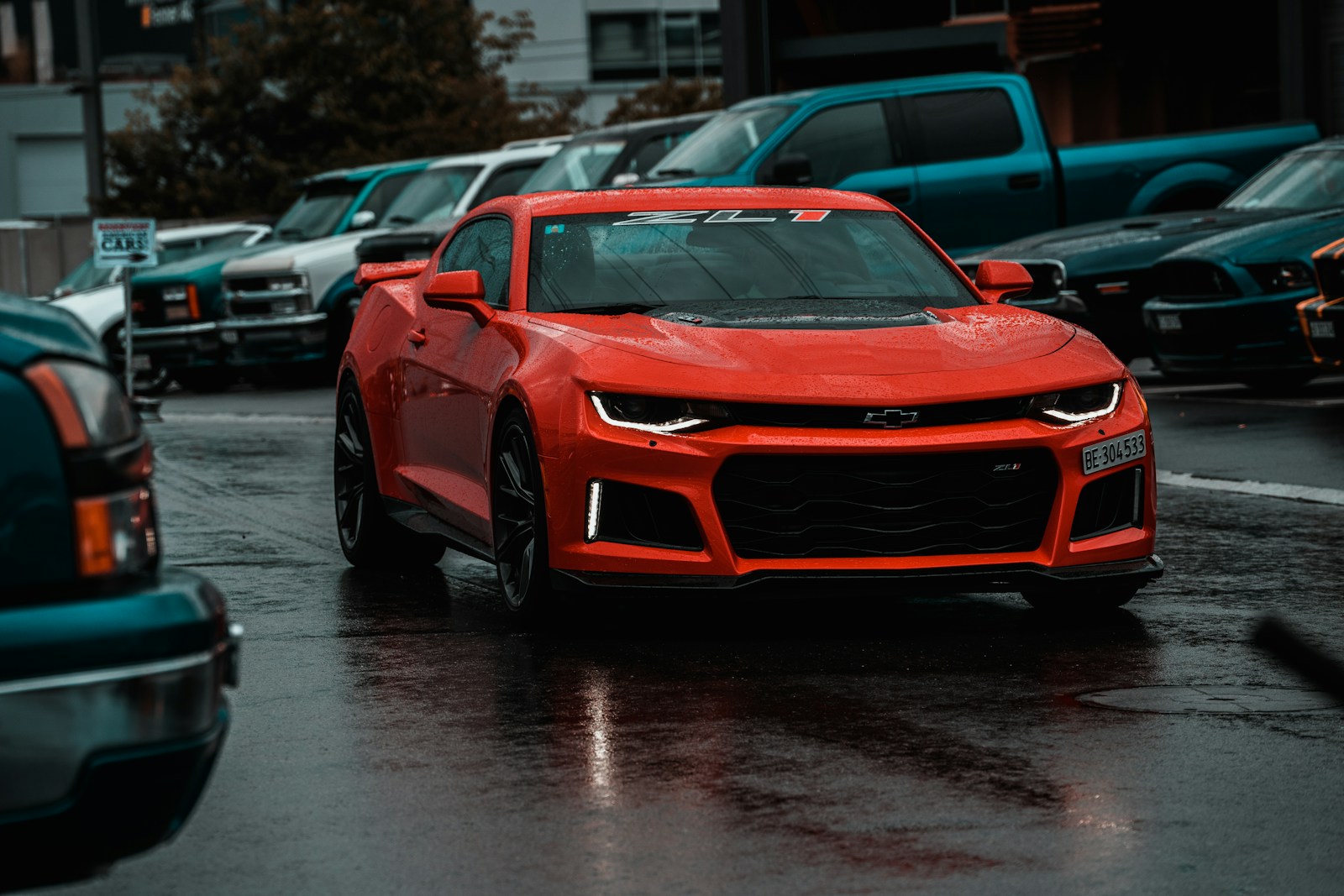

In 2001, Chevrolet sold 29,009 Camaros for the entire model year — the nameplate’s lowest production total since it launched in 1967, according to production figures compiled from GM’s own build records. That same year, Pontiac Firebird production fell to 21,436 units. A few months later, General Motors made it official: both cars were dead, with the last one rolling off the line in 2002. The pony car war that Detroit had been fighting since the mid-1960s came down, for a while, to a single surviving combatant.
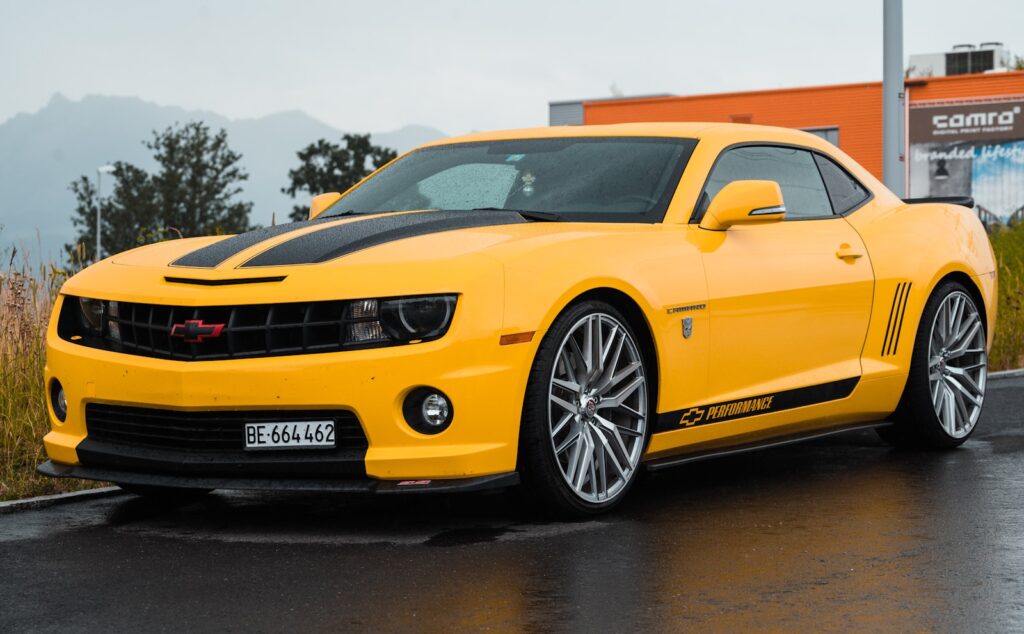
Camaro’s collapse wasn’t gradual, it was a cliff
Camaro production peaked at 122,725 units in 1995, then fell to 61,362 the very next year and kept sliding almost every year after: 54,972 in 1997, 49,218 in 1998, 42,098 in 1999, a brief uptick to 45,461 in 2000, and then the bottom in 2001 at 29,009. That’s a 76% drop in six years for a car that had been an American icon for three decades. The 2002 model year, Camaro’s last before its 2010 rebirth, ticked back up slightly to a little over 41,000 units — a farewell bump from buyers who knew it was ending, not a recovery.
Firebird was dying at nearly the same rate
Pontiac’s version of the same platform followed an almost identical curve: 50,986 units in its own 1995 peak, down to 30,097 by 1996, and holding in the 30,000-32,000 range from 1997 through 2000 before bottoming at 21,436 in 2001 — a 58% decline from peak to trough. Two nameplates built on the same GM F-body platform, sold through two different divisions with two different dealer networks and two different marketing budgets, hit rock bottom in the exact same model year. That’s not a coincidence of bad individual product decisions; it’s a whole vehicle category losing its buyers at once, regardless of which badge was on the hood.
The whole segment, not just two nameplates, was shrinking
GM’s own explanation for the cuts pointed at something bigger than either car individually. Sports-car segment sales overall had fallen 53% industry-wide between 1990 and 2000, and buyers who might once have chosen a two-door coupe were increasingly choosing a truck-based SUV instead — the same shift toward light trucks that was quietly reshaping fuel economy rules at the time. A category that loses more than half its total buyers in a decade doesn’t have room for three competing nameplates chasing a shrinking pool, and GM’s math simply concluded first that it could no longer support two of them.
GM said the quiet part out loud when it pulled the plug
Announcing the end of both cars in September 2001, GM disclosed that Camaro sales had fallen 25% year-over-year through the first eight months of 2001 alone, to 22,339 units, while Firebird sales were down 28% to 16,225. The company pointed to a 53% collapse in the entire sports-car segment’s sales between 1990 and 2000, plus what it called the “increasing popularity of light trucks, such as sports/utility vehicles, rather than car models.” The last Camaro and Firebird were built that August at the Ste. Therese, Quebec plant, closing a 35-year production run for Camaro specifically.
Mustang wasn’t thriving, it was just the last one standing
Ford’s Mustang avoided the axe, but “surviving” is a relative term here. Annual sales ran 144,732 in 1998 and 166,915 in 1999, then 169,198 in 2001 before sliding to 138,356 in 2002, 140,350 in 2003, and a low of 129,858 in 2004 — the weakest Mustang sales year since the nameplate’s late-1970s nadir, right as its only two rivals vanished from the market entirely. A redesigned, retro-styled Mustang launched for 2005 and jumped sales back to 160,975, buying Ford room to be the only pony car left on sale for the rest of the decade. Mustang sales would eventually crater even further, to 91,251 in 2008 as the financial crisis hit, before the segment finally began its recovery with Camaro’s 2010 return.
Line up those numbers and the picture isn’t three healthy rivals trading blows — it’s an entire category that came within one accountant’s memo of disappearing altogether. Two of the three original pony cars didn’t just decline, they were formally discontinued, and the one left standing was posting some of its weakest sales in nameplate history at the exact moment it became the segment’s sole occupant. What looks in hindsight like Detroit patiently waiting for the 2010s muscle-car revival was, in the early 2000s, a category one bad sales quarter away from being a single-car market.