
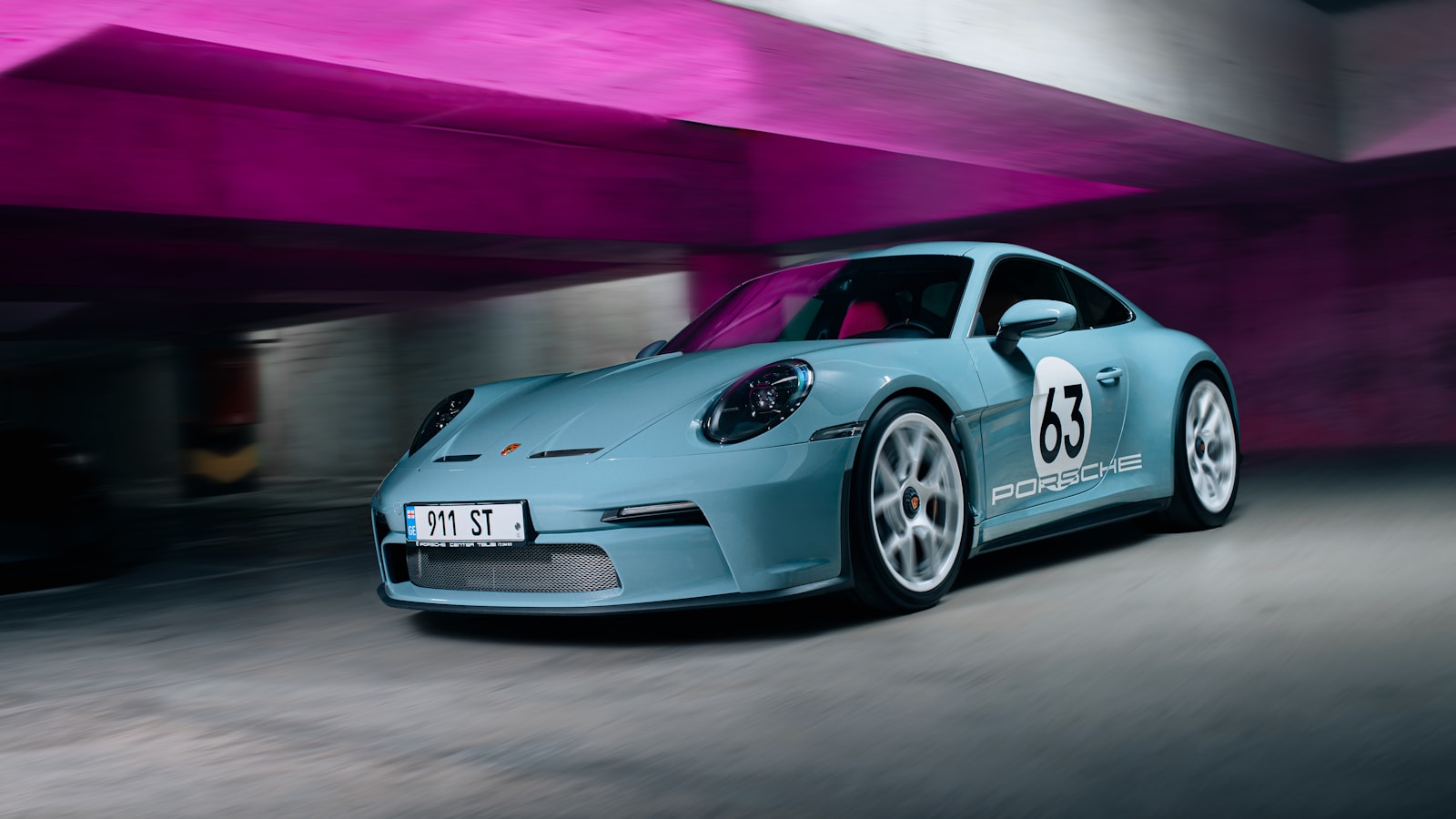

A 996-generation Porsche 911 — the water-cooled model enthusiasts spent two decades calling the ugly duckling of the lineup — sells for an average of $62,965 today, according to sold-listing data. A 991-generation car from a decade later averages $196,946. Both are real 911s, both deliver the same flat-six engine layout and rear-drive balance that’s defined the model since 1964, and one of them costs roughly a third of the other. The market has settled on where the real value sits in the 911’s lineup, and it isn’t where nostalgia says it should be.
996 (1997-2005) — the value floor of the modern 911, averaging $62,965
The 996 was the first water-cooled 911, and it’s spent most of its life being punished for it by purists who wanted the old air-cooled engine note. That stigma is exactly why it’s the cheapest way into a “real” 911 today. Sold-listing data puts the average transaction at $62,965, with clean, ordinary Carrera coupes regularly changing hands in the $30,000-$45,000 range. It’s still a mid-engine-balanced, manual-transmission-available sports car with genuine motorsport DNA underneath the much-maligned “fried egg” headlights.
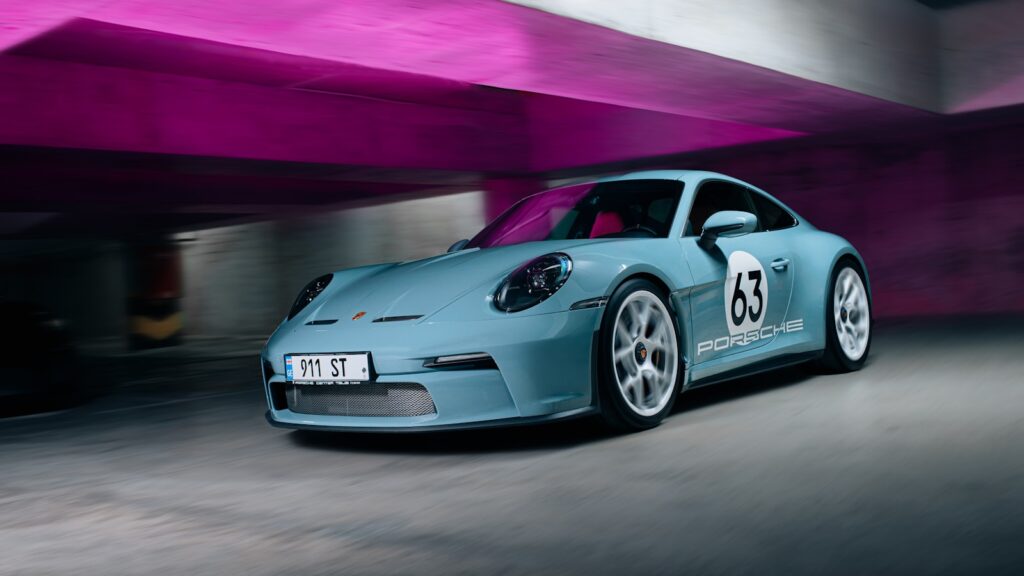
997 (2004-2013) — the sweet spot, averaging $90,253
The 997 fixed the styling complaints that dogged the 996 while keeping prices sane, and the sold data reflects that balance. Average sale price sits at $90,253, with most standard Carrera and Carrera S examples landing between $50,000 and $90,000 — while a documented 2007 GT3 RS has sold as high as $1,465,500, showing how much room the range still has at the top for the right variant. It’s widely considered the last 911 generation with genuinely simple, low-maintenance mechanicals before electronic steering and turbocharging-as-standard arrived.
993 (1994-98) — the last air-cooled car, and it costs like it: $153,604 average
The 993 is the final air-cooled 911, and that single fact adds a real premium over the water-cooled cars that followed. Sold data shows an average of $153,604, roughly 70 percent more than the 997 despite being the older car — with prices ranging from $12,930 for a project-grade Carrera up to $2,397,500 for a documented GT2. Buyers aren’t just paying for the car here; they’re paying for it being the last of a specific mechanical era.
991 (2012-2019) — modern usability, modern pricing: $196,946 average
The 991 introduced electric power steering and a longer wheelbase, trading some old-school feel for daily-driver competence. Average sold price sits at $196,946, with entry-level Carrera coupes typically in the $77,000-$100,000 range and special variants pushing well past $500,000. A 2011 997-generation GT3 RS 4.0 — previously owned by Jerry Seinfeld from 2011 to 2017 — recently sold for $566,000 at an RM Sotheby’s auction, notably below its $800,000-$1,000,000 estimate, according to the Porsche Club of America’s coverage of the sale — a sign that even the priciest 911 variants aren’t immune to a cooling market.
964 (1989-94) — the air-cooled halo car, averaging $264,613
The 964 sits near the top of the value scale, with sold data averaging $264,613 — a figure skewed heavily upward by rare Carrera RS and Turbo S Leichtbau variants that have sold well into seven figures. Standard 964 Carreras trade closer to $80,000-$130,000, which puts an ordinary 964 roughly on par with a well-optioned 997 despite being 15 years older — the air-cooled premium in action again.
Line the generations up by average price and the value curve isn’t a straight line from old to new — it’s a U-shape. Early air-cooled cars carry a heritage premium, the 996 and 997 sit in a genuine value trough because they’re water-cooled but not yet “modern classics,” and the 991/992 cars command new-Porsche money because they’re still recent enough to feel current. Current 992-generation cars average $291,038 in sold-listing data, and even 2019-era 991 entry points now start north of $65,000 for the earliest examples — reinforcing just how much cheaper the trough generations really are by comparison. For buyers chasing 911 ownership rather than 911 speculation, that trough — specifically the 997 — is where the math works hardest in their favor, and it’s the generation depreciation curves suggest still has room to hold steady rather than keep sliding.