
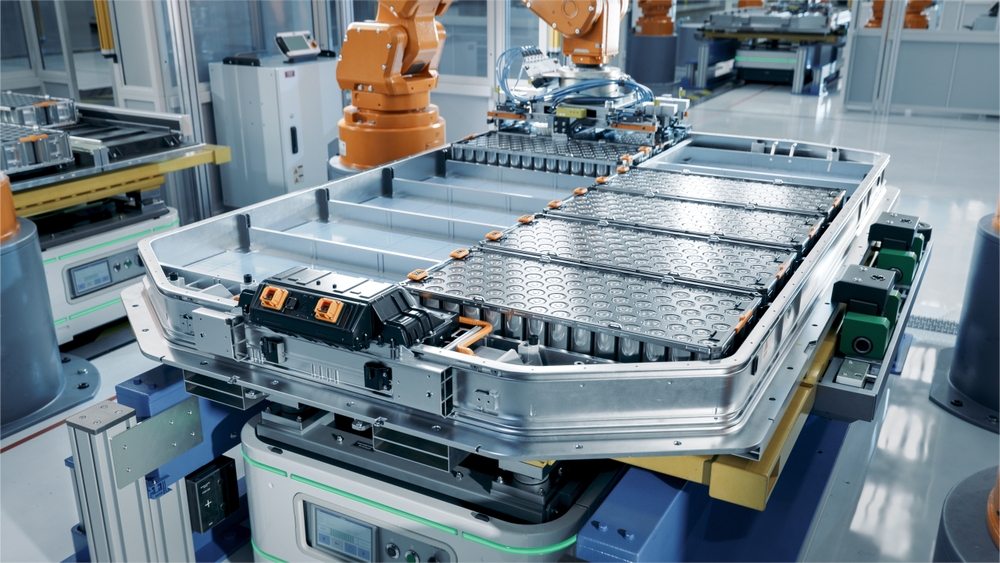

Solid-state batteries have been “five years away” for most of the last decade, but the automakers and suppliers actually building them have now put real years on the calendar — and they don’t all agree on who gets there first.
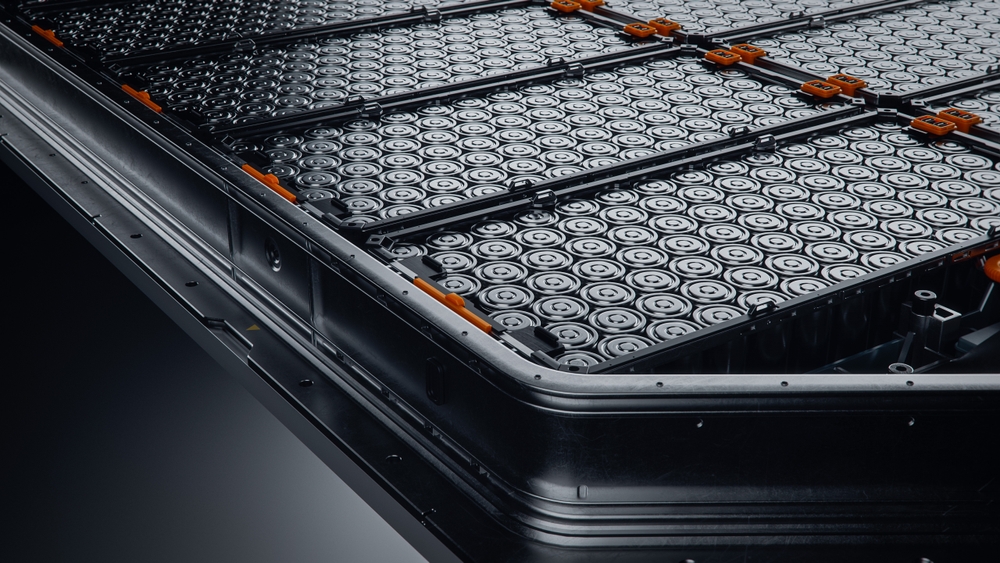
Toyota and its refining partner Idemitsu Kosan are targeting 2027–2028 for commercialization of an all-solid-state battery, according to Toyota’s own global newsroom announcement of the partnership. The two companies are working through a three-phase plan: developing sulfide solid electrolytes, standing up a large pilot production facility, and only then moving to full-scale mass production. Toyota says the technology should deliver shorter charging times, longer range, and higher power output than today’s liquid-electrolyte packs.
Key Points
- Toyota/Idemitsu: commercialization targeted for 2027–2028, with full-scale mass production to follow that window, per Toyota’s newsroom.
- Geely: real-world validation of its own solid-state pack began in 2026, with pilot deployment across the automaker’s brand portfolio — Geely, Zeekr, Lynk & Co, Volvo, Polestar, Lotus, Smart, Proton, and Farizon — scheduled for 2027, according to Geely’s announcement as reported by CarNewsChina’s coverage of the company’s technical briefing.
- LG Energy Solution says it will stand up a pilot line using a dry-electrode manufacturing process in the second half of 2026 to “accelerate product development and mass production preparation,” per the company’s own disclosure covered by Metal.com — though LG has not yet disclosed the line’s location or capacity.
- Geely’s pack-level target is 500 Wh/kg, which the company says should support over 1,000 kilometers of range on a single charge — in Geely’s words, “comparable to diesel-powered cars.”
- Chinese rivals BYD and CATL are both pointing at 2027 for their own trial production, though CATL’s own leadership has cautioned its solid-state work remains at a mid-development stage.
The Ship Dates Don’t Line Up — On Purpose
None of these companies are describing the same milestone. Toyota’s 2027–2028 language covers commercialization and mass production together. Geely’s 2027 date is a pilot deployment across specific brand vehicles, not a full sales rollout. LG’s H2 2026 milestone is a pilot manufacturing line, not a vehicle program at all — it’s the machinery a battery has to survive before it ever reaches a car. Layered together, the timelines describe a staggered handoff: pilot lines and material partnerships through 2026, small-batch vehicle deployments in 2027, and — based on the industry-wide consensus LG’s own materials point to — genuine large-scale commercial availability sitting past 2030.
Dow Chemical’s role as a materials partner on Geely’s program, and Idemitsu’s on Toyota’s, is a tell in itself: the bottleneck isn’t battery chemistry in a lab, it’s finding suppliers who can make solid electrolyte at automotive volume without the brittleness and manufacturing defects that have stalled solid-state programs for years. Whoever solves that supply chain problem first — not whoever announces the boldest date — is the one actually shipping.