
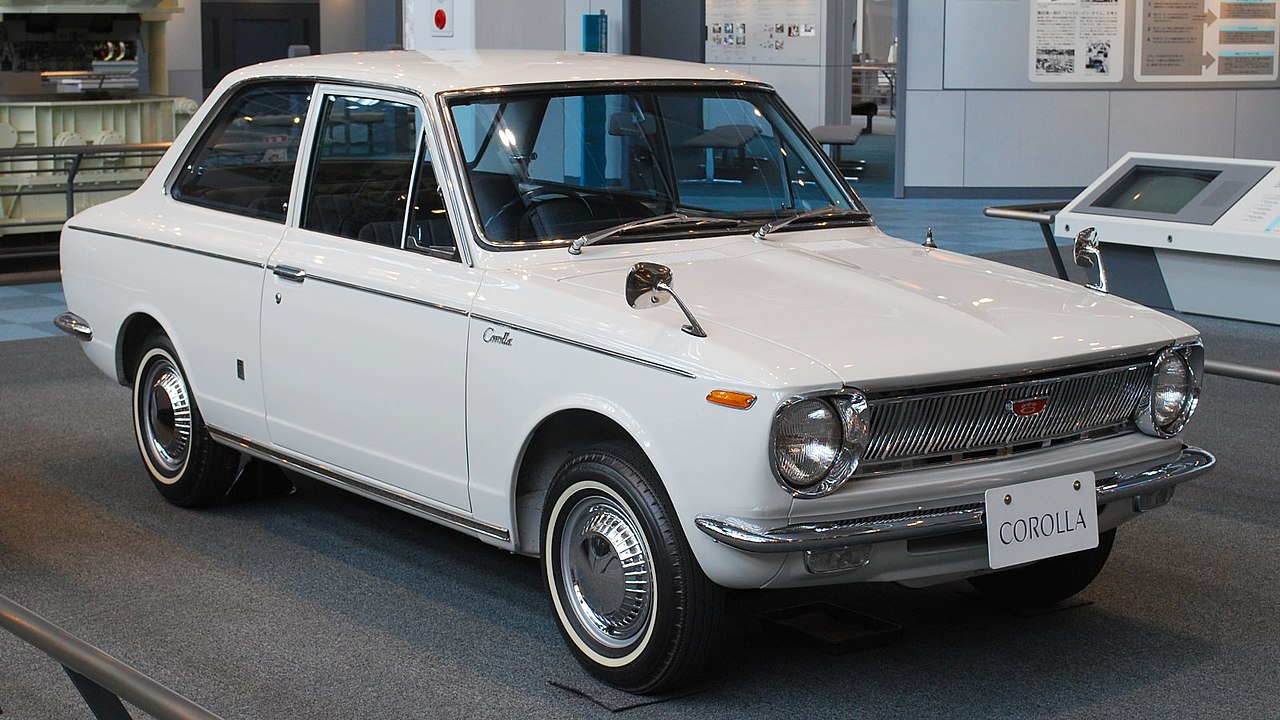

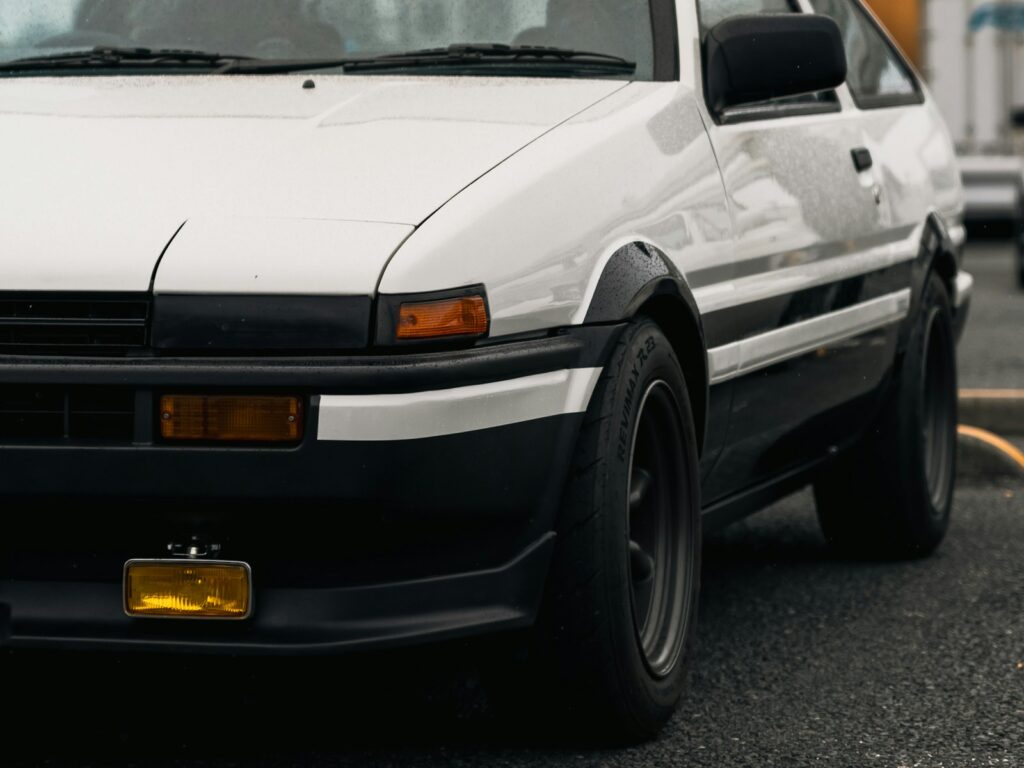
A stock 1985 Toyota Corolla GT-S sold for $40,000 on Bring a Trailer in May 2021 — nearly double the platform’s previous high for an unmodified AE86, according to The Drive and Grassroots Motorsports. Two months after that, a similarly stock example sold in the UK for £46,250, which Hagerty called an outright auction record for the model. Fifteen years earlier, the same generation of car was worth so little that one owner’s insurer nearly wrote off a perfectly functional AE86 over cosmetic keying damage — because its assessed value was, in the company’s own words, “just a few grand.” That’s the entire AE86 story in three data points: worthless, then suddenly not.
The Car Nobody Bothered to Insure Properly
For most of its life after production ended in 1987, the AE86 — sold as the Corolla GT-S in the US and as the Sprinter Trueno and Corolla Levin in Japan — was cheap transportation with a cult following, not a collectible. Hagerty recounts one owner’s 1987 example getting “almost written off for damage as minor as being keyed” back in 2006, simply because the insurance company’s assessed value was so low that repairs weren’t worth authorizing. That’s not an outlier story from that era — it’s the norm. Nicknamed “hachi-roku” (Japanese for “eight-six”) by owners and later immortalized as the star car of the manga and anime series Initial D, the rear-wheel-drive coupe built a devoted following among drift and grip-racing enthusiasts precisely because it was cheap and disposable: light, simple, rear-driven, and easy to replace when a track day went wrong. That combination kept prices low for decades even as the car’s cultural footprint grew.
The $40,000 Sale Nobody Saw Coming
That changed, at least for clean original cars, in May 2021. A 112,000-mile 1985 Corolla GT-S — described by The Drive as “a solid A-minus car for a 36-year-old Corolla,” with visible rust and fading paint rather than a concours restoration, sold for $40,000 after what the outlet described as a bidding war that “nearly doubled its price in under 10 minutes.” Grassroots Motorsports put the number in context: the platform’s previous Bring a Trailer highs were $30,250 for a heavily modified example with a swapped Honda S2000 engine, and $24,500 for a comparable stock ’86 GT-S. A largely unmodified car had just blown past both.
A Record Across the Atlantic, Two Months Later
The US sale wasn’t a fluke confined to one bidding war. In July 2021, a UK auction produced a £46,250 result for another well-documented, largely standard AE86 — one serviced annually since 1987 and sold with era-correct details like a period Nokia phone cradle still in place. Hagerty confirmed it as a new record for the model, surpassing a roughly £29,000 US result that had been set only months before. Two continents, two record-breaking sales, inside a single summer.
The Gap Between Beater and Blue-Chip Keeps Widening
What the AE86 market shows now isn’t a uniform climb — it’s a split. A rough, mechanically troubled 1986 Corolla GT-S with a cracked dashboard, inoperable turn signals, and a damaged body kit sold on the Hagerty Marketplace in September 2025 for just $3,100, despite carrying the desirable 4A-GE engine and a five-speed manual. Clean, unmolested, well-documented examples now trade for 15 to 20 times that. That gap is the real signature of a car crossing over into collector territory — it’s not that every AE86 got more valuable, it’s that buyers finally learned to tell the difference and started paying accordingly.
Why the Corolla Nobody Wanted Now Gets Bid Up
The AE86 didn’t change. What changed is the number of clean, factory-spec survivors left after three decades of enthusiasts treating them as consumable track toys, plus a generation of buyers who grew up wanting the Initial D car and now have the income to chase one. Scarcity did what nostalgia alone couldn’t: it turned a car once valued at “just a few grand” into one where a keying claim today would draw a very different response from the insurance adjuster. The lesson for anyone still sitting on a stock, unmodified example in a garage somewhere isn’t that every old Corolla is suddenly a goldmine — it’s that the market has finally started rewarding the owners who never touched the drift budget and just kept the thing original.