
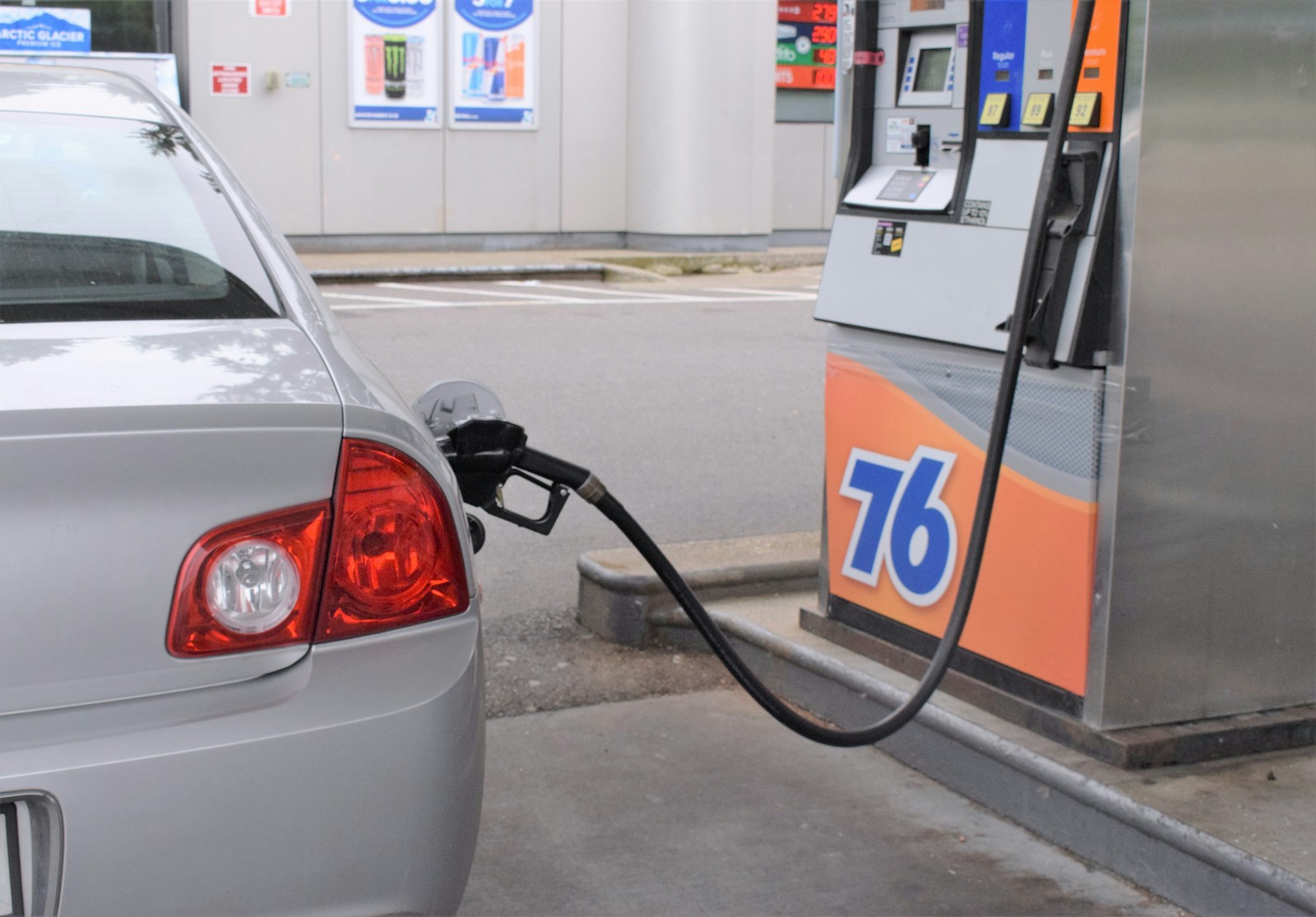

You can save money by changing when you fill up: avoid midweek spikes and aim for early-week or Sunday fill-ups to pay less per gallon. Gas prices often rise through Wednesday and Thursday, then ease toward the weekend, so timing a stop at the pump can cut costs without extra effort.
They’ll explain which weekday tends to be the most expensive, where price cycling creates bigger savings opportunities, and the exact time windows that usually yield the lowest prices. Follow the simple timing tips and a few shopping tricks to make every tank stretch further.
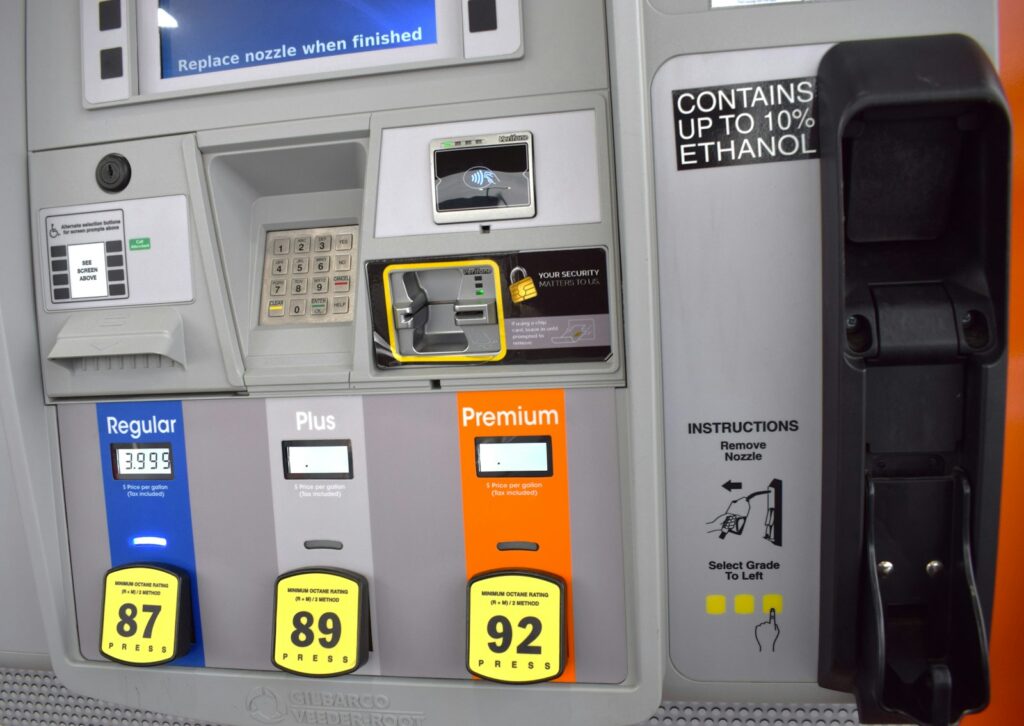
The Worst and Best Days to Buy Gas
Drivers can save by timing fill-ups to avoid midweek price spikes and taking advantage of predictable low-price days. Prices often climb midweek and ease on certain weekend days in many states.
Why Gas Prices Fluctuate During the Week
Gas prices move on a weekly rhythm tied to local competition, wholesale cost resets, and retailer pricing strategies. Stations often raise prices ahead of higher weekend demand, so Wednesday through Friday can show the steepest retail increases.
In markets with price cycling, competitors jump prices together then slowly cut them back to win customers; that creates sharp peaks and troughs that repeat weekly. GasBuddy’s petroleum analysis shows these patterns produce measurable savings when drivers pick the cheaper day to fill up.
Operational factors also matter: deliveries, refinery output, and wholesale rack changes often occur on specific weekdays, shifting station margins. Shopping around and using apps can combine timing savings with lower posted prices to reduce the total cost per gallon.
State and Regional Differences in Gas Pricing
Not all states follow the same pattern. Some regions, notably parts of the Midwest and Florida, show stronger price cycling where a single “reset” day causes big swings; waiting several days after a spike can cut costs substantially. States like Michigan, Indiana, Ohio and Texas frequently exhibit these sharper weekly swings.
In many other states, Sunday or Monday often records the lowest statewide averages. GasBuddy’s statewide analysis finds Sunday commonly the cheapest day in 2026, while other outlets have noted Monday or Tuesday as low-price days in specific states.
Drivers should watch their local market rather than rely on a national rule. Tracking daily averages for one to two weeks reveals the local low day. Using a price app plus avoiding weekend fill-ups typically yields the best, consistent savings.
Exact Timing and Smart Ways to Save More on Gas
They can cut weekly pump costs by choosing the right hour, using price-tracking apps, and combining loyalty discounts. Small timing and behavior changes add up over months.
Best Time of Day to Fill Up
Most markets show lower retail prices early in the morning or late evening, when demand is lowest and stations reset prices for the day. Filling up between 6–9 AM often catches post-reset prices before midday traffic pushes stations to match competitors.
In price-cycling states, waiting several days after a visible price spike usually yields the lowest pump price within that cycle. Drivers with flexible schedules should plan fill-ups after the local weekly low — for many states that’s Sunday — rather than midweek peaks like Wednesday or Thursday.
They should avoid top-demand windows: Friday afternoons and early evenings commonly show higher prices. For accurate local timing he or she should watch a week of nearby station prices to spot the repeatable low-hour window.
How to Use Gas Price Apps Effectively
They should install at least one price-tracking app and one loyalty app. Use GasBuddy to scan real-time station prices and set price alerts for preferred stations. Pair that with a station’s own app or the AAA Mobile App to access member discounts and route-integrated maps.
Set geo-fenced alerts for below-target prices so he or she gets notified when a nearby station drops under a chosen threshold. When comparing stations, factor in payment method: some apps show discounts for in-app or card payments. Always confirm the pump price visually before paying — apps sometimes lag by minutes.
Use the app’s history or weekly trend features to spot the local weekday low. When traveling, check the app for price-cycling patterns and combine app discounts with station loyalty rewards to maximize per-gallon saving.
Additional Tips for Getting the Most Out of Every Fill-Up
Join free station loyalty programs that offer cents-per-gallon rewards or grocery points exchangeable for fuel savings. Stacking matters: combine a station promo, a credit-card cashback for fuel, and app coupons when possible.
Drive smarter to extend time between fill-ups: maintain proper tire pressure, avoid aggressive acceleration, and remove excess rooftop cargo. These behaviors reduce fuel use and cut refill frequency, which multiplies savings.
Pay attention to payment type — pay-with-app or fleet cards often reduce per-gallon cost. Finally, plan routes to consolidate errands into one trip and schedule fill-ups on the local cheapest weekday to lock in the best price per gallon.
More from Steel Horse Rides: