

Most of us don’t think too hard about gas until something feels… off. Maybe your car suddenly idles a little rough, your MPG takes a quiet nosedive, or the “check engine” light pops on right after a fill-up (which is always a delightful little jump scare). While a single tank rarely tells the whole story, mechanics and drivers alike have been grumbling more about certain stations—especially ones with inconsistent additives, questionable storage practices, or bargain-basement supply chains.
Before we name names: this isn’t a claim that any brand always sells “bad gas” everywhere. Gas quality can vary by region, by franchise owner, and even by how well a station maintains its tanks and pumps. Still, these six brands come up again and again in driver complaints and in shop talk—usually for the same reasons: inconsistency, fewer detergent additives, and spotty station upkeep.
What “lower quality gas” usually means (and why you feel it)
In the U.S., gasoline has to meet minimum federal and state standards, so it’s not the Wild West. The difference is often in the additive package—detergents that help keep injectors, intake valves, and combustion chambers cleaner over time. Some brands meet the bare minimum, while others voluntarily meet higher “Top Tier” detergent standards that tend to reduce deposits.
Then there’s the unsexy stuff that matters a lot: station maintenance. Water intrusion, old storage tanks, sediment, clogged filters, and pumps that are out of calibration can all cause problems that feel like “bad gas,” even if the fuel started out fine. And yes, if you’re filling up right after a tanker delivery, stirred-up sediment can make a bad day worse.
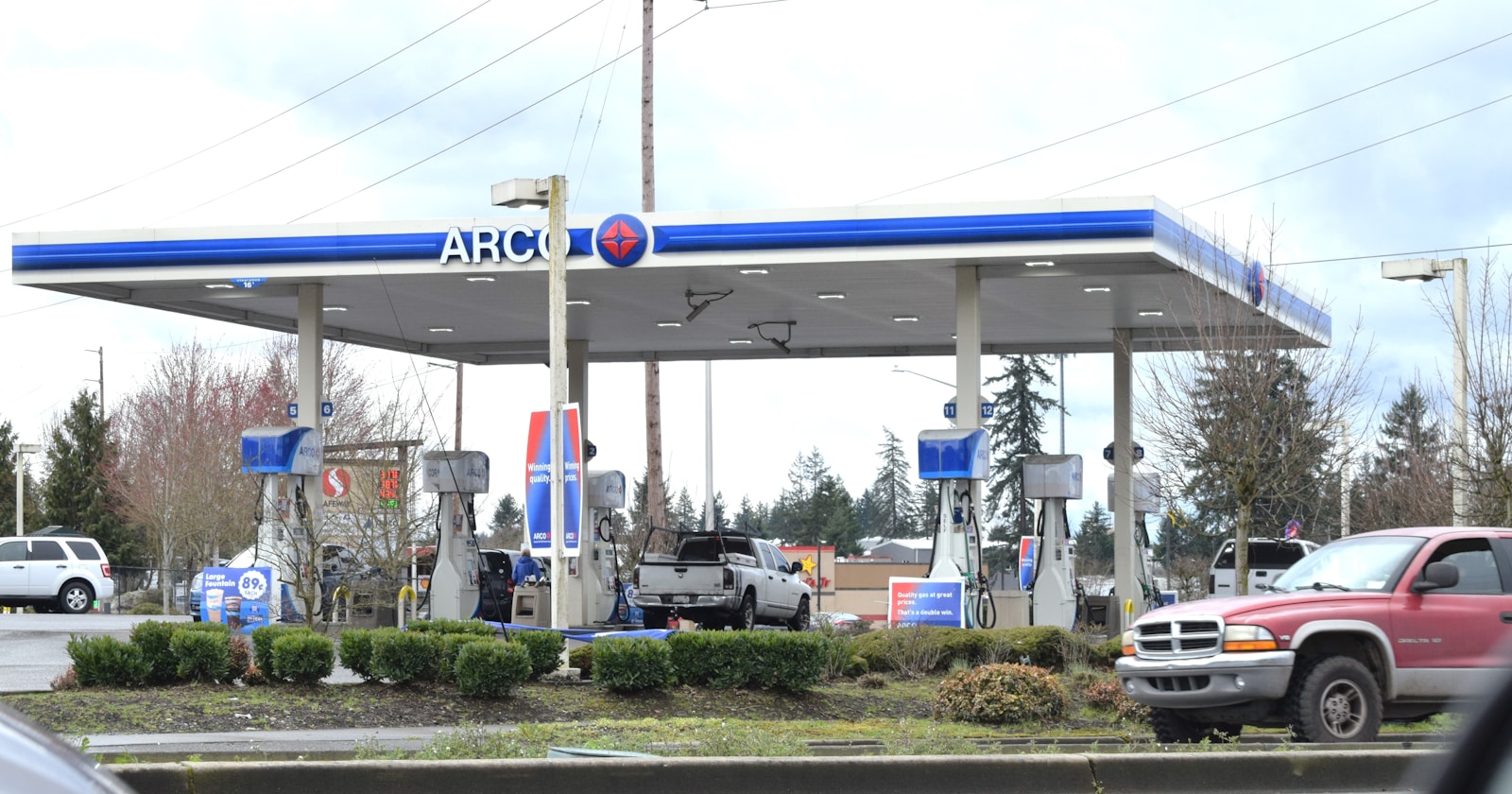
1) ARCO
ARCO is famous for low prices, and that’s exactly why it lands on this list. Drivers who frequent ARCO sometimes report rough running or reduced fuel economy compared with pricier competitors, and the brand has long carried a reputation for using a leaner additive mix in many markets. Not every location is problematic, but the “cheap gas” trade-off conversation seems to follow ARCO around.
If you’re loyal to ARCO because your wallet demands it (fair), the best move is consistency: stick to well-maintained stations with good turnover. A busy station usually means fresh fuel, and that alone can solve a lot of the mystery issues people blame on the brand.
2) Speedway
Speedway has a huge footprint, and with scale comes variability—some locations are great, some feel like they’ve been running on vibes and fluorescent lighting since 2007. Complaints often center on inconsistent performance and the occasional “my car ran weird right after” story. Again, that doesn’t prove the fuel is universally poor, but the pattern shows up enough to get attention.
Speedway also tends to attract price-sensitive shoppers, which can mean stations prioritize promotions over premium additive messaging. If you notice your MPG dropping at one specific location, it’s worth trying a different station—even a different Speedway—before you assume it’s your car.
3) 7-Eleven gas stations
Not every 7-Eleven sells gas, but where they do, the quality conversation tends to revolve around franchise-level inconsistency. Some locations are modern and well-kept; others look like they’ve seen a few too many summer road trips. Drivers’ complaints often focus less on the brand’s fuel recipe and more on station upkeep and pump reliability.
Because these are often independently operated, you can get very different experiences from one neighborhood to the next. If a station looks neglected—sticky pumps, torn seals on nozzles, broken receipt printers that “mysteriously” never work—it’s not crazy to wonder what’s going on underground, too.
4) Citgo
Citgo pops up in a lot of “questionable gas” chatter, usually tied to reports of inconsistent fuel economy and occasional drivability issues. Like other big brands with franchised locations, the station-to-station experience can be wildly different. Some drivers swear it’s fine; others avoid it after one bad tank and never look back.
One thing that makes people suspicious is when a station is quiet and the fuel doesn’t move fast. Gas sitting longer in tanks isn’t automatically “bad,” but high turnover generally reduces the chances of water accumulation and sediment problems becoming your problem.
5) Exxon (in non-Top Tier markets or poorly maintained locations)
This one surprises people, because Exxon often markets premium performance. Here’s the catch: even strong national brands can have weaker links at the local level—especially when maintenance is poor or when the actual detergent package isn’t what drivers assume it is in their area. A well-run Exxon can be excellent, but a neglected one can still sell you a tank that leaves your engine feeling grumpy.
Drivers tend to notice issues like pinging, rough idle, or a sudden dip in efficiency, particularly in turbo engines that are more sensitive to knock and deposits. If you’re buying “premium” and your car doesn’t feel premium afterward, it’s reasonable to change stations and see if the problem disappears.
6) Walmart / Murphy USA (and similar ultra-discount setups)
Murphy USA (often near Walmart) is another name that comes up when people talk about low prices and “you get what you pay for” fuel. Many locations do a solid job, but the brand is frequently associated with minimal-additive perceptions and occasional quality complaints—especially when stations are older or extremely high-traffic. High traffic can be good for turnover, but it can also mean more wear and tear if upkeep doesn’t keep pace.
Drivers who are sensitive to fuel differences—think direct-injection engines, high mileage cars, or anything that already has a finicky idle—often say they notice changes sooner at the most aggressively discounted stations. It’s not a scientific study, but when enough people tell the same story, you pay attention.
What drivers can do (without turning every fill-up into a research project)
First, pay attention to patterns, not one-offs. If your car runs rough once, it could be weather, a clogged air filter, a misfire starting to develop, or just a bad coincidence. If it happens repeatedly after filling up at the same station, that’s a clue worth following.
Second, choose stations that look well cared for and stay busy. Clean pumps, working screens, intact nozzle boots, and overall “someone actually manages this place” energy go a long way. If you can, avoid filling up while a tanker truck is actively refilling the underground tanks—sediment disturbance is real, and your fuel filter can only be so heroic.
Third, if your car is newer, turbocharged, direct-injected, or just picky, consider sticking to brands known for higher detergent standards, even if it costs a few cents more. Over time, cleaner injectors and fewer deposits can be the difference between smooth driving and a weekend spent googling “why is my engine shaking at stoplights.” And if you ever get a truly bad tank—hard starts, stalling, severe hesitation—keep the receipt and get the car checked quickly, because proving cause is tough but documentation helps.
Gas isn’t supposed to be dramatic. When it is, it usually comes down to consistency—and that’s exactly what drivers say they’re not getting at certain brands and certain stations anymore. The good news is you don’t have to swear off a logo forever; often, it’s as simple as finding the best-run station in your area and sticking with it.