
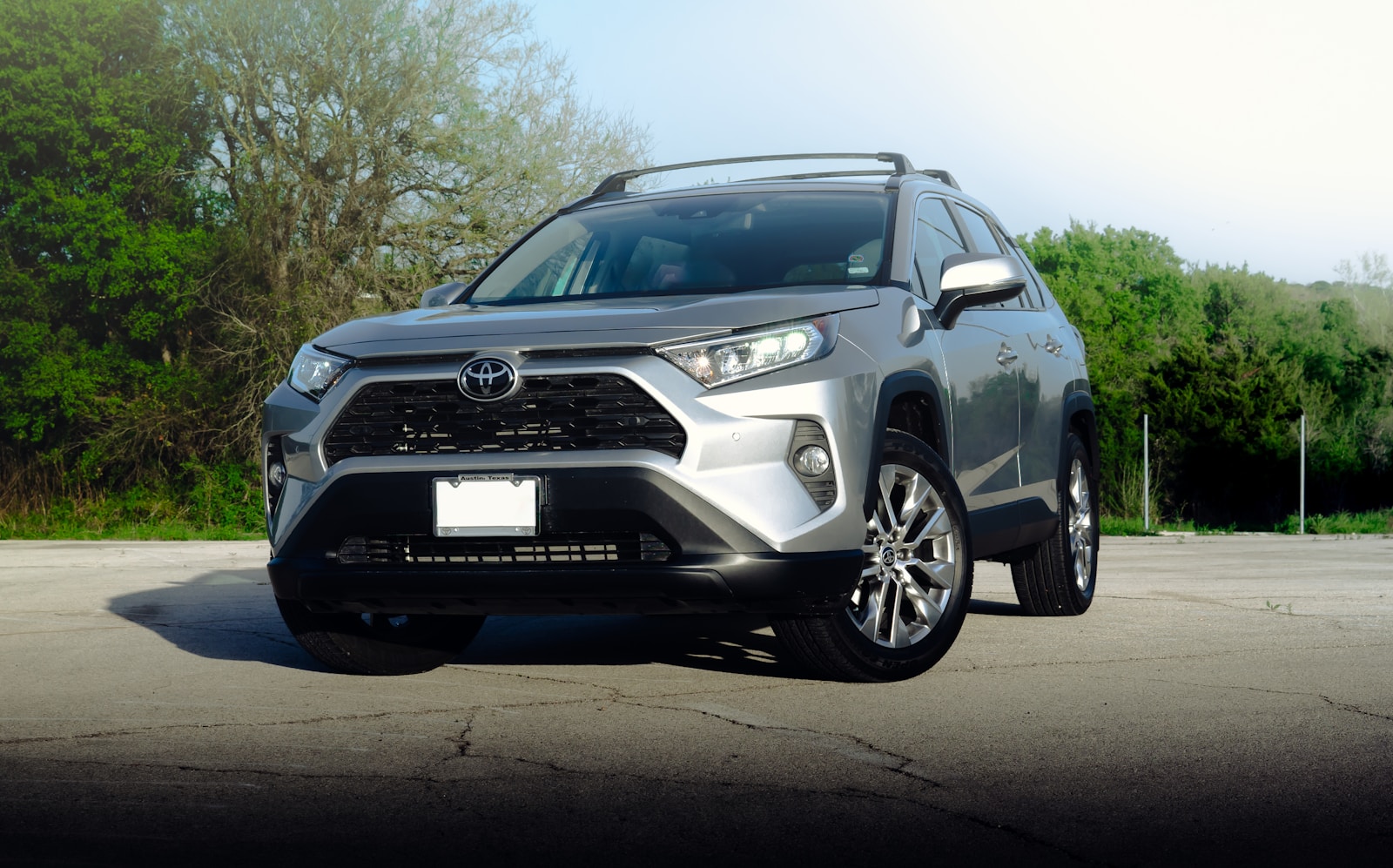

Toyota owners spend an average of $5,470 keeping their cars running over the first decade of ownership, according to CarEdge’s brand maintenance data, which the site says sits roughly $3,501 below the industry average. Land Rover owners spend $18,072 over that same ten years, per CarEdge’s 2026 ranking of luxury brands by decade-long maintenance cost, about 3.3 times Toyota’s number for the privilege of a badge on the hood. And Land Rover isn’t even the extreme case. That title belongs to Bentley, whose owners are looking at $36,400 in maintenance and repair costs over ten years, nearly seven times what a Toyota buyer pays for the same span.
The Full Ranking, and Where the Gap Opens Up
CarEdge’s luxury-brand data, built from what the company describes as an analysis of “millions of car listings and other automotive data points,” lays the tier system out clearly. Behind Bentley and Land Rover comes BMW at $16,021, Jaguar at $15,617, Mercedes-Benz at $12,942, Lincoln at $12,416, Infiniti at $11,836, Cadillac at $11,025, Audi at $10,211, and Volvo at $10,082. Every single one of those figures is at least double Toyota’s $5,470, and most of them land closer to triple. That’s not a rounding difference between comparable machines. It’s a different category of car ownership entirely, one where air suspension components, adaptive dampers, and complex electronics turn routine maintenance visits into four-figure invoices.
Mainstream Brands Aren’t Exempt Either
The luxury badge isn’t a perfect predictor on its own. CarEdge’s ranking of popular, non-luxury brands over the same ten-year window shows Ram topping the entire combined list at $21,507, ahead of every luxury brand except Bentley. Jeep comes in at $11,605, Chrysler at $11,334, Dodge at $11,174, Ford at $10,313, Chevrolet at $9,602, GMC at $9,398, Buick at $8,993, and Nissan at $7,384. Stellantis-family trucks and SUVs, in particular, show up near the top of both lists, which suggests the drivetrain and electrical complexity under the hood matters at least as much as the logo on it.
A Second Data Set Says the Same Thing
Consumer Reports ran its own independent 10-year cost analysis and landed on the same names at both ends of the spectrum. Its cheapest-to-maintain list puts Buick, Lincoln, and Toyota in the top tier, alongside Hyundai and Tesla, while its most expensive list is topped by Land Rover, followed by Porsche, Mercedes-Benz, Audi, and BMW. Consumer Reports found the gap even starker than CarEdge’s numbers suggest on their own, noting that “the 10-year costs for Buick and Lincoln are each one quarter that of Land Rover.” Its analysts point to the same root cause across both data sets: “domestic automakers tend to have cheaper parts when repairs are necessary,” while complex European luxury platforms carry costlier components and labor from the day the factory warranty runs out.
Why Toyota Sits at the Floor
Toyota’s own maintenance data reflects a company that has spent decades engineering for parts commonality, simple service intervals, and dealer networks that keep routine work cheap and predictable. There’s no exotic air suspension to replace, no dual-clutch transmission requiring specialized fluid changes on a tight schedule, and a hybrid system in cars like the Prius and Corolla Hybrid that Toyota has refined since the late 1990s. The $3,501 gap CarEdge cites between Toyota and the industry average isn’t the product of one cheap year skewing the number. It’s the compounding effect of years where nothing expensive needs to happen, stacked ten deep.
What Actually Drives the Luxury Premium
The brands sitting at the top of CarEdge’s list share structural traits that show up directly in repair bills: forced induction engines with more failure points than a naturally aspirated four-cylinder, air or adaptive suspension systems that eventually need components replaced at four figures a corner, and infotainment and driver-assist hardware that’s expensive to diagnose even before parts get ordered. Land Rover’s electrical systems have a well-earned reputation for complexity, and Bentley’s ownership costs reflect a car built in comparatively tiny volumes, where specialized technicians and hand-built components don’t get the economies of scale that keep a Camry’s brake job cheap. None of that makes these brands worse cars. It makes them a different financial commitment than the sticker price alone suggests, and a decade of ownership is where that difference compounds into real money.
Buyers cross-shopping a luxury SUV against a Toyota equivalent are often comparing sticker prices that sit within a few thousand dollars of each other. Ten years later, the real gap has nothing to do with the price tag on day one and everything to do with what happens every time the car goes back to the shop.