

A cautionary-tale negotiation from @sofloexoticsty has pulled in 4.7 million views by capturing something buyers rarely admit on camera: real-time regret. The clip follows a tense, confrontational exchange between the buyer and a used-Corvette dealer over the car’s condition, ending with the buyer admitting, on camera, that he should have walked away — all while a cliffhanger tease for a follow-up part keeps the audience invested in how the story ends.
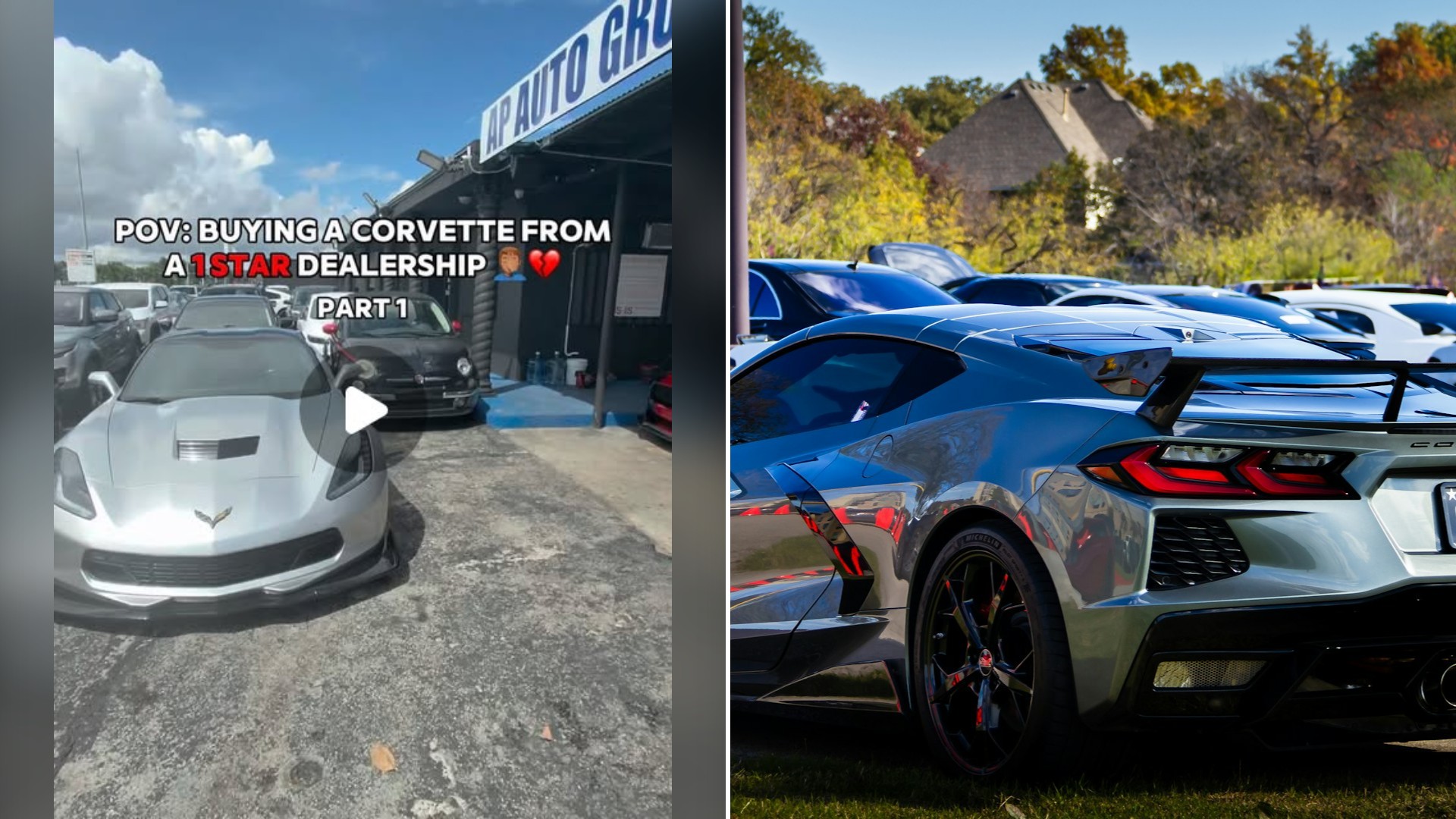
The honesty of the admission is what separates this from a typical negotiation clip. Most used-car content either celebrates a win or mocks someone else’s mistake; watching a buyer narrate his own regret in the moment is rarer, and it’s exactly what makes the video feel worth sharing.
The Corvette, as one of the most recognizable performance cars on the used market, draws a particularly wide range of buyers — from lifelong Corvette owners who know exactly what to check, to buyers chasing the car’s image who may be far less familiar with model-specific issues. That gap in buyer experience is a big part of why so many Corvette-specific cautionary tales exist in the first place.
A pre-purchase inspection by a mechanic unaffiliated with the seller is the single most commonly cited piece of advice from experienced used-sports-car buyers, and for good reason. Independent inspections, which typically run $100 to $200, can catch frame or structural issues, evidence of prior accident repair, and model-specific wear points that aren’t visible during a short test drive, especially on a performance car where previous owners may have driven aggressively or modified components without documenting the work.
“Walking away” as a negotiating stance is advice that’s easy to state and hard to follow in the moment, which is exactly why this buyer’s admission resonates. Sales environments, especially in-person ones with a motivated seller, are built around momentum — keeping a buyer engaged and emotionally invested so that walking away feels harder than it should. Experienced negotiators often recommend deciding on a firm walk-away price and a list of dealbreaker conditions before ever arriving at the lot, specifically because it’s far easier to hold a line decided calmly in advance than to invent one under pressure in front of a seller.
Financing terms deserve the same scrutiny as the car’s condition, since a bad deal on a used performance car isn’t only about mechanical problems. Add-on products, inflated interest rates for buyers who don’t shop their financing separately, and dealer fees that aren’t clearly itemized until the final paperwork are common ways a seemingly fair purchase price turns into an overall bad deal. Getting pre-approved financing from a bank or credit union before visiting a dealer gives a buyer a real baseline to compare against, rather than relying entirely on the numbers a seller presents.
For viewers following this story to its eventual conclusion, the real value isn’t just entertainment — it’s a rare, unfiltered look at exactly the kind of pressure that leads buyers to override their own better judgment. Most people who end up regretting a used-car purchase aren’t lacking information; they simply didn’t act on the warning signs they noticed in the moment, which is precisely the gap this buyer’s on-camera admission makes visible.
More from Steel Horse Rides
- A Buyer Risked Five Hundred Dollars On A Mercedes GL450 Worth Close To Fifteen Thousand Dollars And Is Revealing Every Hidden Mechanical Flaw One By One
- A Truck Flipper Was Mid Inspection On A Suspicious Facebook Marketplace Truck When It Suddenly Started Smoking And Leaking Fluid All Over The Parking Lot
- A Weekly Bank Repo Auction Just Sold An Entire Running Car For Only Three Hundred And Fifty Dollars And The Crowds Reaction Says Everything About How Shocked They Were