

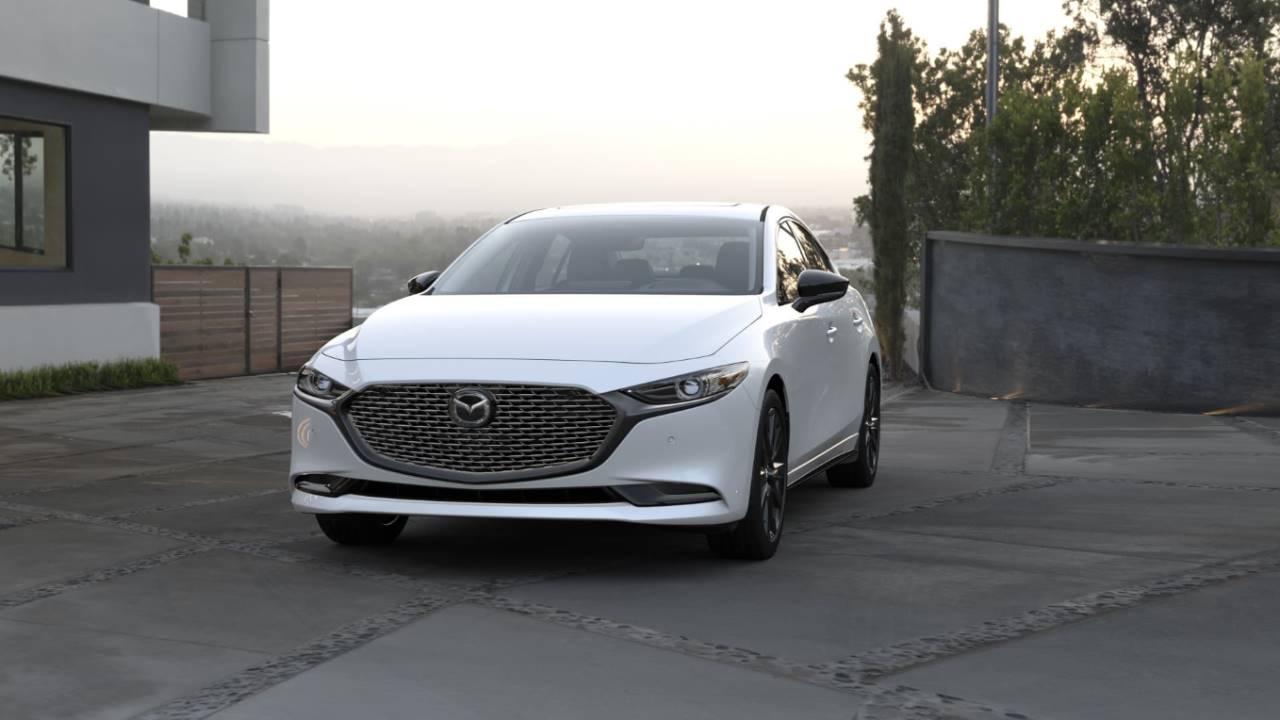
White cars carry the lowest daytime crash risk of any color on the road, according to a stratified crash-risk analysis from the Monash University Accident Research Centre. Black vehicles run roughly 12% higher risk than white in daylight, and that gap widens to 47% at dusk and dawn, per figures compiled by Australia’s National Road Safety Partnership Program. Silver, grey, blue, and red all land somewhere in between. But the story doesn’t end there — a 2019 University of Dayton analysis of nearly a million Ohio crashes found no statistically significant color effect at all. You can screenshot both of those facts and they’ll both be true. That’s the real story here.
The Daylight Numbers That Started the Conversation
The Monash research used what’s called a stratified induced-exposure design: instead of just counting crashes by color, researchers compared vehicles struck by another car (where visibility to the other driver matters) against vehicles involved in crashes where visibility wasn’t a factor, like hitting a stationary object. That method strips out the confounding fact that certain colors sell more in certain vehicle segments. Using police-reported crash data from two Australian states, the Monash study set white as the safest baseline color and found black, blue, grey, green, red, and silver all carried statistically higher daytime crash risk — up to roughly 10% higher, depending on the color and the specific comparison.
Nighttime Is Where the Gap Actually Widens
Where the color effect gets hard to ignore is after sunset. The NRSPP‘s compiled figures put black cars at a 47% higher crash risk than white during dusk and dawn hours, with grey close behind at 25% and silver at 15% — compared with roughly 12%, 11%, and 10% respectively in full daylight. That’s not a small shift. It tracks with basic physics: a dark-colored vehicle against a dim road surface gives an oncoming or crossing driver less contrast and less reaction time than a pale one does under the same headlights. Separately, 2004 research cited by Australia’s NRMA found dark-colored cars were involved in accidents at a rate around 22% higher than the fleet average, with associated claims running roughly 30% higher than the average claim cost.
A Bigger, Newer Study Says Not So Fast
Here’s where it gets genuinely interesting instead of tidy. Researchers at the University of Dayton revisited the question in 2019 using 948,121 crashes recorded across Ohio between 2011 and 2015 — a far larger dataset than most color studies work with. They ran the same basic stratified induced-exposure logic, but tested their statistical model for overdispersion before trusting it, something they argued earlier studies skipped. The result: across all 15 colors tested, none showed a statistically significant difference from white, with risk ratios ranging from 0.78 to 1.42 and confidence intervals that all crossed 1.0. Their conclusion, in their own words, was that “no vehicle color was found to be safer or riskier than white.” Two credentialed research teams, two very different answers, both using real crash records.
What the Red-Car-Ticket Myth Actually Gets Wrong
None of this data has much to do with the other piece of car-color folklore — that red cars draw more speeding tickets or cost more to insure. Insurers price policies off your driving record, your ZIP code, the car’s repair cost, and its performance specs, not its paint code, and no credible dataset ties premium pricing directly to color. What the crash studies above actually suggest is something narrower and more useful: color may nudge how visible you are to other drivers in specific lighting conditions, and dark colors seem to show up in that nudge more consistently than others.
The Real Signal in the Noise
Put the two studies side by side and a pattern still holds even where the topline conclusions disagree: nobody’s data says a color makes you meaningfully safer once you control for how, when, and where you actually drive. Rush-hour commuters, night-shift workers, and weekend backroad drivers are exposed to completely different risk windows regardless of what shade is on the hood. If the color question matters at all, it matters at dusk and dawn — which means running your headlights early and keeping your windshield clean will do more for your visibility than any trip to the paint counter ever will.